Parkinson's Association of SWFL
  • Home
    • Hurricane Resources
  • Resources for Living Well with PD
    • Start Here What You Need to Know about PD >
      • Parkinson Disease in Florida
      • FLORIDA PD REGISTRY
      • 10 things to know about PD
    • Living Well with PD: Start Today
    • PD 101 Free ebook
    • Your Questions About PD Answered in our Blog
    • Community Resources >
      • Community Support Initiatives
      • Movement Disorder Specialists and Neurologists
      • Additional Classes in SWFL for PD
      • Additional SWFL resources for PD
    • Articles & Research on PD >
      • BRAIN PROTIENS MARKERS FOR PARKINSONS DETECTION
      • GUT MICROBIOME EARLY PREDICToR OF PD
      • NEW DBS SETTINGS MAY IMPROVE SPEECH IN PD
      • BRAIN PATTERNS LINKED TO LEVODOPA INDUCED DYSKINESIA
      • BRAIN MODELING TO PREDICT PD PROGRESSION
      • WEARABLE DEVICES FOR TRACKIN PD PROGRESSION
      • BRAIN ACTIVITY PREDICTOR OF PD PROGRESSION
      • DEEP BRAIN STIMULATION PD
      • UNDERSTANDING GAIT IN PD
      • MUSIC MAY IMPROVE GAIT IN PD
      • GOLF COURSE PROXIMITY AND INCREASED RISK FOR PD
      • Social Support Improves PD Symptoms
      • Exercise Improves PD Outcomes
      • Genetic Role in PD
      • Advances in PD
      • Genetic Link to PD
      • Exercise and improved executive Functioning with PD
      • Exercise and Fall Prevention with PD
      • Intimacy and PD
      • spinal cord neuroprosthesis and PD
      • Advance Care Planning and PD
      • Cognitive Impairment Treatment PD
      • Mercury and PD
      • Cognitive Remediation Therapy
      • COVID Vulnerability and PD
      • Postural Instability Severity PD
      • Early Trial for Treatment Shows Promise
      • Biomarker Found
      • Therapeutic Benefits of Dance
      • Ultrasound Therapy for PD
      • Improvisational Theatre for PD
      • PD Detection using AI and Breathing Patterns
      • ALTERNATIVE MOVEMENT EXERCISE
      • NON INVASIVE TREATMENT R-TMS
      • Group Therapy
      • Multidisciplinary Approach to PD
      • VIBRATING GLOVE SHOWES PROMISE
      • Prevalence of PD Underestimated
      • Differences in Men and Women with PD
      • Intermittent Fasting for PD
      • Meditation and Complementary Therapy for PD
      • Cognitive Impairment and PD
      • Aerobic Exercise Alters Brain Function in PD
      • A-Synuclein Biomarker
      • Mediterranean Diet for PD
      • Regular Exercise Improve PD Quality of Life
    • Videos of PD Talks
    • PD Assistive Items
    • Participate in a PD Study
  • Members Only
  • Programs & Events
    • Sample Calendar of Activities
    • Movement Classes
    • Rhythm In Motion Class
    • Support Groups
    • Speech Exercise
    • Wellness Classes
    • Education Programs
    • Caregiver Programs
    • EARLY ONSET PD
    • Lunch Bunch
    • Events >
      • Bingo for Bags and Baubles >
        • Bingo for Bags and Baubles Sponsorships
        • Bingo for Bags and Baubles Sponsorships
      • Mingle & Share a PD Resource Fair
      • Step Up for PD Walk >
        • REGISTER TO WALK - INDIVIDUALS & TEAMS
        • FUNDRAISE FOR THE WALK
        • Support a Walker
        • Parkinsons Walk FAQ
      • Education Symposium
      • A Step Forward Overcoming Obstacles Luncheon >
        • A Step Forward Live Auction 2026
  • About Us
    • Our Mission
    • Board of Directors
    • Staff
    • News/Press >
      • 2023-24 Board Announced
  • Become a Member
    • Complete a Participation Waiver
  • CONNECT WITH US
    • PD 101 Free Sign Up
    • ENEWS SIGN UP
    • Contact us
  • SUPPORTING OUR MISSION
    • ANNUAL FUND
    • IN HONOR
    • IN MEMORY
    • Planned Giving
    • Our Giving Society
  • Home
    • Hurricane Resources
  • Resources for Living Well with PD
    • Start Here What You Need to Know about PD >
      • Parkinson Disease in Florida
      • FLORIDA PD REGISTRY
      • 10 things to know about PD
    • Living Well with PD: Start Today
    • PD 101 Free ebook
    • Your Questions About PD Answered in our Blog
    • Community Resources >
      • Community Support Initiatives
      • Movement Disorder Specialists and Neurologists
      • Additional Classes in SWFL for PD
      • Additional SWFL resources for PD
    • Articles & Research on PD >
      • BRAIN PROTIENS MARKERS FOR PARKINSONS DETECTION
      • GUT MICROBIOME EARLY PREDICToR OF PD
      • NEW DBS SETTINGS MAY IMPROVE SPEECH IN PD
      • BRAIN PATTERNS LINKED TO LEVODOPA INDUCED DYSKINESIA
      • BRAIN MODELING TO PREDICT PD PROGRESSION
      • WEARABLE DEVICES FOR TRACKIN PD PROGRESSION
      • BRAIN ACTIVITY PREDICTOR OF PD PROGRESSION
      • DEEP BRAIN STIMULATION PD
      • UNDERSTANDING GAIT IN PD
      • MUSIC MAY IMPROVE GAIT IN PD
      • GOLF COURSE PROXIMITY AND INCREASED RISK FOR PD
      • Social Support Improves PD Symptoms
      • Exercise Improves PD Outcomes
      • Genetic Role in PD
      • Advances in PD
      • Genetic Link to PD
      • Exercise and improved executive Functioning with PD
      • Exercise and Fall Prevention with PD
      • Intimacy and PD
      • spinal cord neuroprosthesis and PD
      • Advance Care Planning and PD
      • Cognitive Impairment Treatment PD
      • Mercury and PD
      • Cognitive Remediation Therapy
      • COVID Vulnerability and PD
      • Postural Instability Severity PD
      • Early Trial for Treatment Shows Promise
      • Biomarker Found
      • Therapeutic Benefits of Dance
      • Ultrasound Therapy for PD
      • Improvisational Theatre for PD
      • PD Detection using AI and Breathing Patterns
      • ALTERNATIVE MOVEMENT EXERCISE
      • NON INVASIVE TREATMENT R-TMS
      • Group Therapy
      • Multidisciplinary Approach to PD
      • VIBRATING GLOVE SHOWES PROMISE
      • Prevalence of PD Underestimated
      • Differences in Men and Women with PD
      • Intermittent Fasting for PD
      • Meditation and Complementary Therapy for PD
      • Cognitive Impairment and PD
      • Aerobic Exercise Alters Brain Function in PD
      • A-Synuclein Biomarker
      • Mediterranean Diet for PD
      • Regular Exercise Improve PD Quality of Life
    • Videos of PD Talks
    • PD Assistive Items
    • Participate in a PD Study
  • Members Only
  • Programs & Events
    • Sample Calendar of Activities
    • Movement Classes
    • Rhythm In Motion Class
    • Support Groups
    • Speech Exercise
    • Wellness Classes
    • Education Programs
    • Caregiver Programs
    • EARLY ONSET PD
    • Lunch Bunch
    • Events >
      • Bingo for Bags and Baubles >
        • Bingo for Bags and Baubles Sponsorships
        • Bingo for Bags and Baubles Sponsorships
      • Mingle & Share a PD Resource Fair
      • Step Up for PD Walk >
        • REGISTER TO WALK - INDIVIDUALS & TEAMS
        • FUNDRAISE FOR THE WALK
        • Support a Walker
        • Parkinsons Walk FAQ
      • Education Symposium
      • A Step Forward Overcoming Obstacles Luncheon >
        • A Step Forward Live Auction 2026
  • About Us
    • Our Mission
    • Board of Directors
    • Staff
    • News/Press >
      • 2023-24 Board Announced
  • Become a Member
    • Complete a Participation Waiver
  • CONNECT WITH US
    • PD 101 Free Sign Up
    • ENEWS SIGN UP
    • Contact us
  • SUPPORTING OUR MISSION
    • ANNUAL FUND
    • IN HONOR
    • IN MEMORY
    • Planned Giving
    • Our Giving Society

What You Need to Know About PD

Learn more about Parkinson Disease

What You Need to Know About PD

Picture
A diagnosis of Parkinson's disease (PD) can feel overwhelming, but understanding the condition is the first step toward living well. While Parkinson's is a progressive neurological disorder, many people continue to lead active, fulfilling lives for years after diagnosis. Advances in treatment, exercise, rehabilitation, and research are improving quality of life and offering hope for the future.

Today, approximately 1.1 million Americans are living with Parkinson's disease, and nearly 90,000 people are diagnosed each year. Although there is currently no cure, many treatments can successfully manage symptoms, and ongoing research continues to bring new discoveries.

A QUICK SUMMARY 

Parkinson's disease is:
  • A progressive neurological (brain) disorder
  • Caused by the loss of dopamine-producing brain cells
  • Different for every person
  • More than just a movement disorder
  • Treatable, though not yet curable
  • Best managed through medication, exercise, therapy, education, and support
The good newsMany people with Parkinson's continue to work, travel, exercise, volunteer, and enjoy meaningful lives for decades after diagnosis. Early treatment, regular exercise, and strong community support can make a significant difference.​

Picture

Parkinson's Numbers

Picture
Americans living with PD
Picture
Persons with PD in our community
Picture
Americans diagnosed annually

What is Parkinson Disease?

Parkinson's disease is a neurological disorder that affects movement, balance, coordination, and many other body functions.

It develops when nerve cells in an area of the brain called the substantia nigra gradually stop producing enough dopamine, a chemical messenger that helps control smooth, coordinated movement.

As dopamine levels decrease, people may experience movement problems such as tremors or stiffness, as well as many non-movement symptoms including sleep changes, constipation, depression, anxiety, and changes in thinking.
​

Parkinson's progresses differently for every person. Some individuals experience symptoms slowly over many years, while others may notice faster changes. With proper medical care and healthy lifestyle habits, many symptoms can be managed successfully.

What Are the Symptoms of Parkinson's Disease?

Symptoms generally fall into two categories: motor symptoms and non-motor symptoms.
Picture
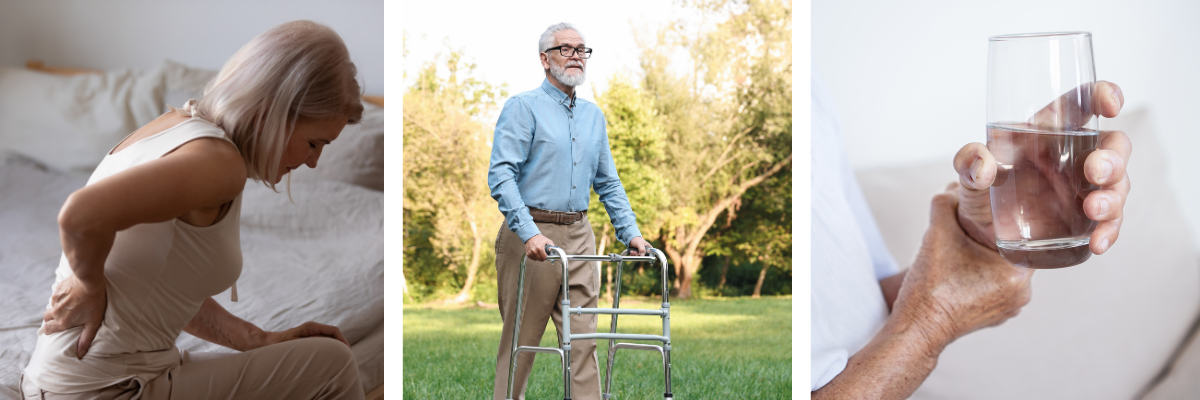
Motor Symptoms with PD
Motor Symptoms
  • Tremor (shaking), often beginning in one hand
  • Slowed movement (bradykinesia)
  • Muscle stiffness or rigidity
  • Balance and walking difficulties
  • Smaller handwriting (micrographia)
  • Reduced facial expression ("masked face")
  • Soft or quiet voice
  • Stooped posture
  • Freezing of gait
Picture
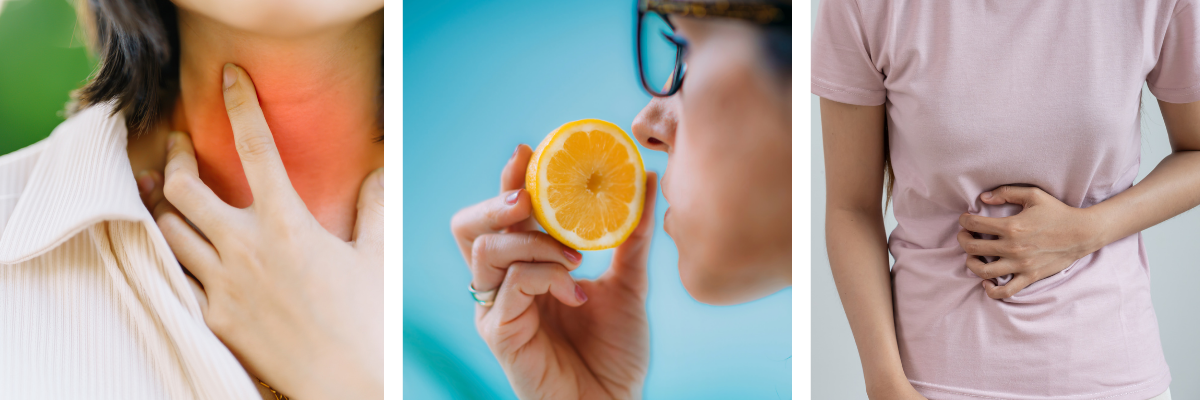
Non-Motor Symptoms
  • Many people are surprised to learn that Parkinson's affects much more than movement.
  • Common non-motor symptoms include:
  • Constipation
  • Loss of sense of smell
  • Sleep disturbances
  • Fatigue
  • Depression and anxiety
  • Memory or thinking changes
  • Urinary urgency
  • Low blood pressure
  • Pain
  • Difficulty swallowing
  • Hallucinations (in some people)
  • Some non-motor symptoms may appear years before movement symptoms develop.
Picture

What Causes PD?

Researchers still do not know the exact cause of Parkinson's disease.
Most experts believe Parkinson's results from a combination of:​
  • Aging
  • Genetics
  • Environmental exposures
  • Changes in brain proteins such as alpha-synuclein
Only a small percentage of Parkinson's cases are directly inherited.

Scientists continue studying possible risk factors, including pesticides, head injuries, inflammation, and changes in the gut microbiome. While these factors may contribute to risk, they do not necessarily cause Parkinson's disease by themselves.
Research into the causes of Parkinson's is one of the fastest-growing areas of neuroscience.

What Treatments are Available for PD?

Picture
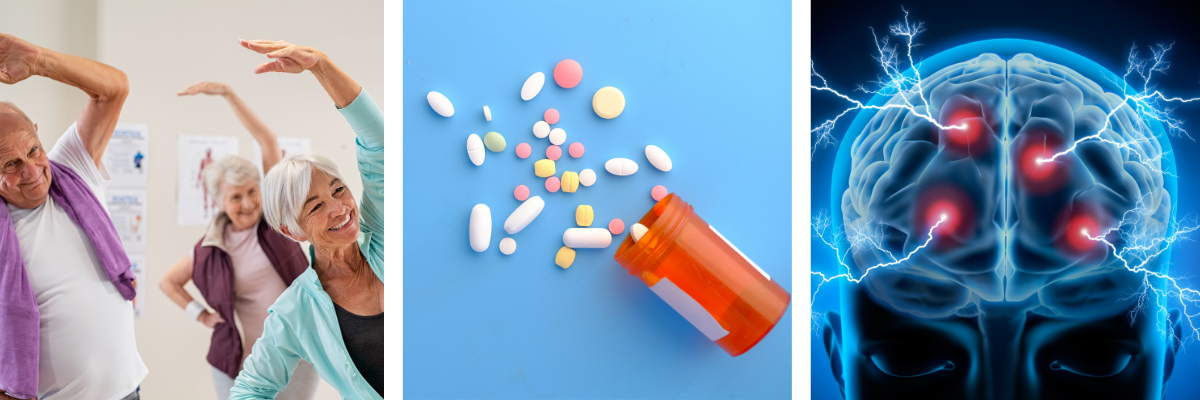
Although there is currently no cure, many treatments help people manage symptoms and maintain independence.
Medications
Several medications help replace or mimic dopamine, including:
  • Levodopa
  • Dopamine agonists
  • MAO-B inhibitors
  • COMT inhibitors
  • Other medications that manage specific symptoms
  • Medication plans are individualized and may change over time.

Deep Brain Stimulation (DBS)
For some people whose symptoms are no longer adequately controlled with medication, Deep Brain Stimulation may reduce tremors, stiffness, and movement fluctuations.
​

Not everyone is a candidate, but many people experience meaningful improvements after DBS surgery.
Exercise
Exercise is considered one of the most effective ways to improve quality of life with Parkinson's disease.
Research shows regular exercise can improve:
  • Balance
  • Walking
  • Flexibility
  • Strength
  • Mood
  • Sleep
  • Overall mobility
Many experts recommend at least 150 minutes of exercise each week.

Rehabilitation Therapies
Specialized rehabilitation can help maintain independence.
These include:
  • Physical therapy
  • Occupational therapy
  • Speech therapy
  • Swallowing therapy
Healthy Living
Lifestyle also plays an important role.
Many people benefit from:
  • Healthy nutrition
  • Good sleep habits
  • Stress management
  • Social engagement
  • Cognitive activities
  • Ongoing education

When Should I Start Seeking Support

The best time to seek support is as soon as Parkinson's disease is suspected—not only after symptoms become severe.

Many people wait until daily activities become difficult before reaching out for help. Research and experience show that early support often leads to better long-term outcomes. Building a support network early can help you understand the diagnosis, learn effective exercise and wellness strategies, manage stress and anxiety, connect with others living with Parkinson's, and prepare for future changes before a crisis occurs.

Consider seeking support if you or a loved one:
  • Has been diagnosed with Parkinson's disease
  • Is being evaluated for possible Parkinson's symptoms
  • Has noticed changes in movement, balance, speech, or daily functioning
  • Feels overwhelmed, anxious, or isolated
  • Has become a care partner for someone with Parkinson's

Early support can help you:
  1. Start exercise programs sooner: Exercise is one of the most effective ways to maintain mobility and quality of life.
  2. Learn what to expect: Education reduces fear and helps families make informed decisions.
  3. Build relationships: Meeting others with Parkinson's can provide practical tips and emotional encouragement.
  4. Address problems before they grow: Speech changes, falls, sleep issues, and caregiver stress are often easier to manage when identified early.​

Where Can I Get Support?

No one should face Parkinson's disease alone.
Support from others who understand the journey can make an enormous difference for both individuals living with Parkinson's and their care partners.

The Parkinson's Association of Southwest Florida (PASWFL) has been helping people live well with Parkinson's disease for more than 25 years.

Membership is free and confidential and open to anyone touched by PD.
​

PASWFL offers more than 25 free weekly programs, including:
  • Exercise and movement classes
  • Speech Exercise classes
  • Educational seminars
  • PD Talks
  • Support groups
  • Care partner support
  • Living Well with Parkinson's Education Symposium
  • Powerful Tools for Caregivers®
  • Community resources
Whether you've just been diagnosed or have been living with Parkinson's for many years, PASWFL provides education, encouragement, and a caring community every step of the way.
CLICK TO COMPLETE A FREE ONLINE MEMBERSHIP APPLICATION

Become a Member Today

You don't have to navigate Parkinson's disease alone.
Membership is free, confidential, and open to anyone living with Parkinson's disease, care partners, family members, and friends.
Become a member today: https://parkinsonassociationswfl.org/signup.html
Learn more about our free programs and services: www.paswfl.org
Together, we can help you live well with Parkinson's disease.
​
CLICK TO COMPLETE A FREE ONLINE MEMBERSHIP APPLICATION

Parkinson's Association of Southwest Florida 
2575 Northbrooke Plaza Drive
Suite#301, Naples, FL 34119
239-417-3465

Office@PASWFL.org
​

Hours of Operation:
Monday - Thursday 9 am - 5 pm
Friday 9 am - 3 pm
Has the Parkinson's Association of Southwest Florida impacted your life? Don't forget to leave us a review on Facebook or on Google. 

PASWFL Office

Terms of Use and Privacy Policy

Become a Member

Picture