|
|
|
|
|
Can Stress Make Parkinson’s Symptoms Worse?
Parkinson’s disease affects both the body and the brain—and many people living with Parkinson’s notice that their symptoms seem to worsen during times of stress. While stress does not cause Parkinson’s disease, it can significantly impact how symptoms appear and feel on a daily basis. Have you ever noticed your tremor getting worse when you’re anxious or overwhelmed? You’re not imagining it—stress can intensify Parkinson’s symptoms, and understanding why can help you regain a sense of control. Keep reading to learn more.
0 Comments
When Should You See a Doctor for Parkinson’s Symptoms? Early Warning Signs You Shouldn’t Ignore3/18/2026 Parkinson’s disease often develops gradually, making it easy to overlook early symptoms or dismiss them as normal aging. However, recognizing when to seek medical advice can make a significant difference in early diagnosis, treatment, and long-term quality of life.
What if the small changes you’re noticing—like a slight tremor, slower movement, or changes in handwriting—are early signs of Parkinson’s disease? Knowing when to see a doctor could help you take control earlier than you think. Keep reading to learn more. What Are the Non-Motor Symptoms of Parkinson’s Disease?
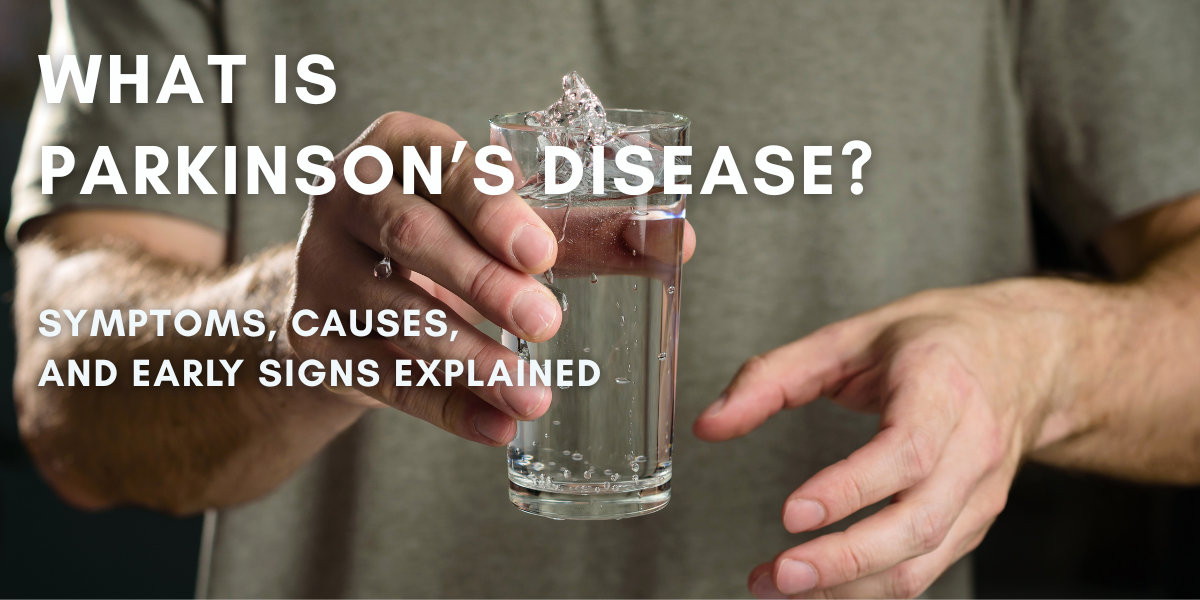
Parkinson’s disease is often associated with tremors and movement challenges, but many people are surprised to learn that some of the most impactful symptoms are non-motor symptoms. These symptoms affect mood, sleep, digestion, and thinking—and they can appear years before physical signs develop. What if the earliest signs of Parkinson’s disease have nothing to do with movement at all? Understanding non-motor symptoms could help you recognize Parkinson’s earlier and take action sooner. Keep reading to learn more. Symptoms, Causes, and Early Signs Explained
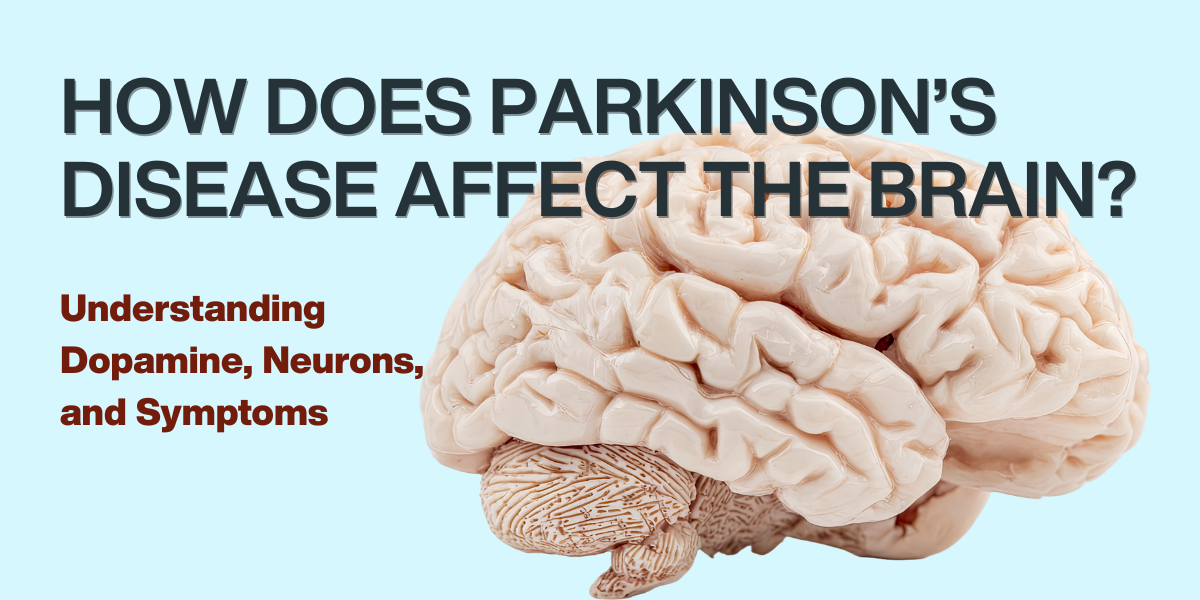
Parkinson’s disease is a progressive neurological disorder that affects movement, coordination, and many other body functions. It develops when certain nerve cells in the brain that produce dopamine—a chemical that helps control movement—gradually stop working or die. As dopamine levels decline, people may begin to experience symptoms such as tremors, stiffness, slowed movement, and balance problems. Many people believe Parkinson’s disease only causes tremors, but the condition is far more complex. Understanding what Parkinson’s disease is, how it develops, and the early signs to watch for can help individuals seek medical care sooner and begin treatments that improve quality of life. Keep reading to learn more. Parkinson’s disease is a progressive neurological disorder that affects movement, balance, and coordination. Early diagnosis is crucial for managing symptoms and maintaining quality of life, but recognizing Parkinson’s can be challenging because its symptoms often overlap with other conditions.
If you or a loved one are noticing tremors, stiffness, or changes in movement, understanding how doctors diagnose Parkinson’s disease could be the first step toward effective care. Keep reading to learn about the key signs, tests, and evaluations doctors use to make an accurate diagnosis. When a person with Parkinson’s disease is admitted to a hospital, their care requires careful attention to avoid complications and ensure optimal recovery. Hospitals can be overwhelming, and small changes in routine or medications can have a big impact on health. Understanding and communicating the unique needs of Parkinson’s patients can make a critical difference in outcomes.
Many hospital staff are unaware of how even slight changes in medication timing or mobility routines can affect someone with Parkinson’s. Read on to learn the 5 essential hospital care needs that every Parkinson’s patient should share with their care team. How Is Parkinson’s Disease Diagnosed?
Diagnosing Parkinson’s disease can be challenging because symptoms often appear gradually and can resemble other neurological conditions. Unlike some illnesses, there is currently no single test that can definitively diagnose Parkinson’s disease. Instead, doctors rely on a combination of medical history, symptom evaluation, neurological exams, and specialized testing to reach a diagnosis. If you or a loved one has noticed tremors, stiffness, or slower movement, you may wonder whether it could be Parkinson’s. Understanding how doctors diagnose the condition—and what signs they look for—can help you seek medical care sooner and access the treatments and support that make a real difference. Keep reading to learn more. Does Parkinson’s Disease Cause Dementia?
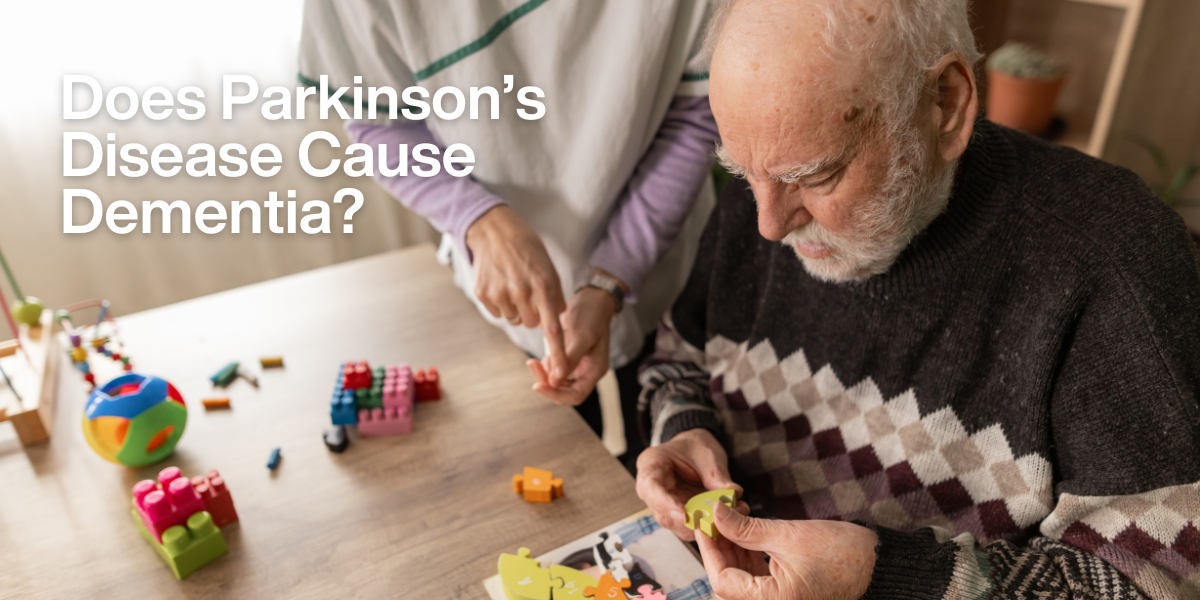
Parkinson’s disease is widely recognized for its effects on movement, including tremors, stiffness, and slowed motion. But many families and caregivers also worry about cognitive changes: Can Parkinson’s disease lead to dementia? Understanding the connection between Parkinson’s and dementia is crucial for planning care, managing symptoms, and supporting long-term well-being. The reality is complex—while not everyone with Parkinson’s will develop dementia, research shows that up to 50–80% of people with Parkinson’s may experience cognitive decline over time. Learning how Parkinson’s affects the brain, the early warning signs, and strategies to reduce risk can help individuals and families prepare and take proactive steps. Is Parkinson’s Disease Hereditary?
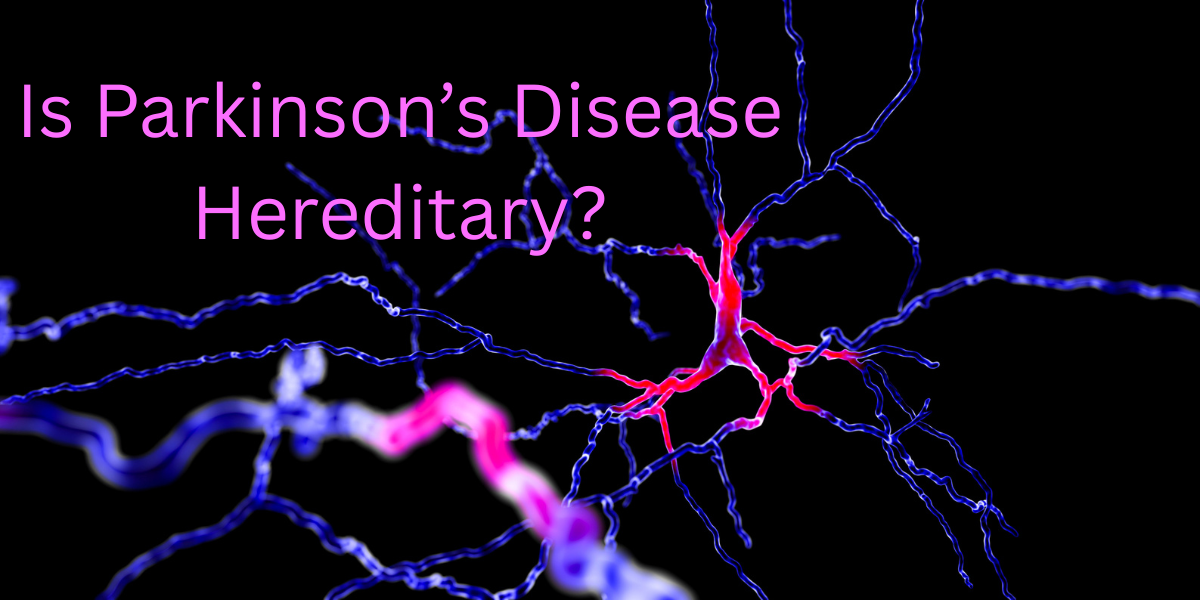
When someone receives a diagnosis of Parkinson’s disease, one of the first questions families often ask is whether the condition runs in families. Many people worry that if a parent or sibling has Parkinson’s, they may develop it too. The truth is that Parkinson’s disease is complex, and genetics is only one part of the picture. Surprisingly, most cases of Parkinson’s disease are not directly inherited. Researchers estimate that only about 10–15% of cases are linked to genetic factors. So what actually causes Parkinson’s, and how much does family history matter? Understanding the role of genetics can help reduce fear and clarify real risks. Keep reading to learn more. Does Exercise Help Parkinson’s Disease?
Exercise is increasingly recognized as one of the most powerful tools for people living with Parkinson’s disease (PD). While there is currently no cure for Parkinson’s, research consistently shows that regular physical activity can help manage symptoms, improve mobility, and enhance overall quality of life. But can exercise actually slow the progression of Parkinson’s disease? Many experts believe the answer may be yes—and the evidence continues to grow. If you or a loved one is living with Parkinson’s, understanding the role of exercise could be one of the most important steps you take toward living well with the condition. Continue reading to learn more! What Foods Should People With Parkinson’s Avoid? A Nutrition Guide for Better Symptom Management3/7/2026 What Foods Should People With Parkinson’s Avoid?
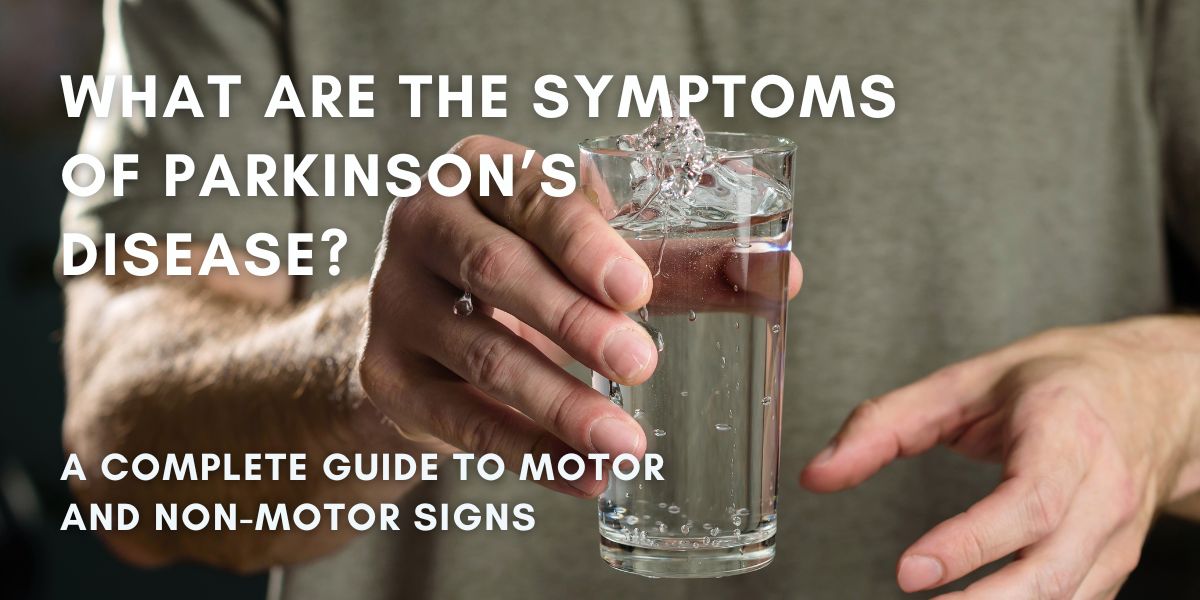
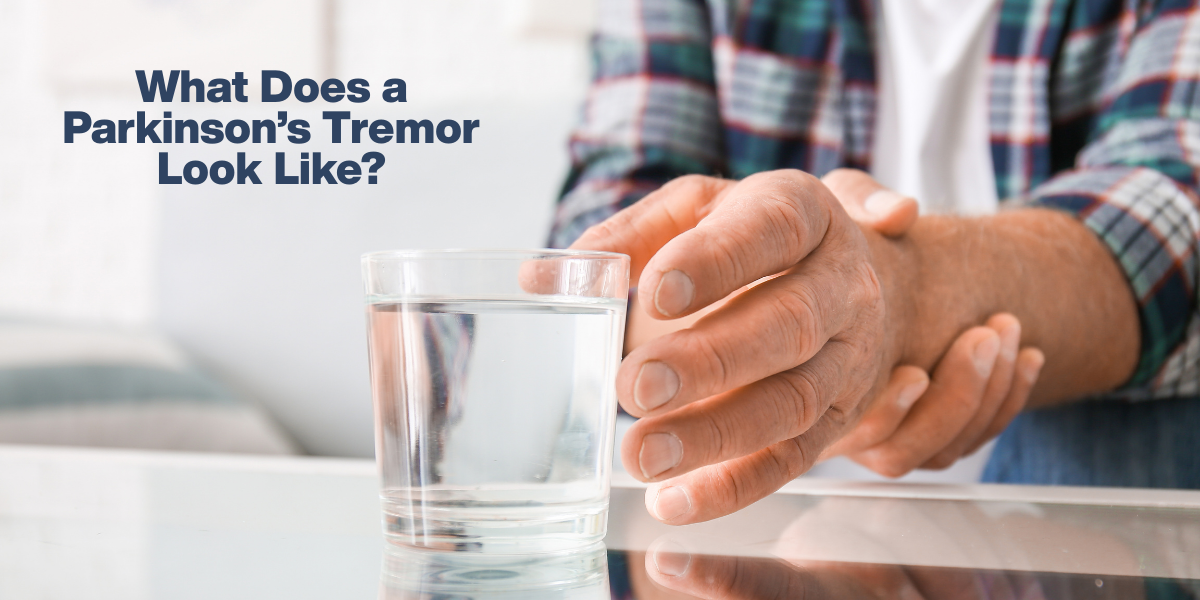
Nutrition plays an important role in managing many health conditions, including Parkinson’s disease. While no specific diet can cure Parkinson’s, certain foods may worsen symptoms, interfere with medications, or contribute to inflammation in the body. Because of this, many people living with Parkinson’s ask an important question: What foods should people with Parkinson’s avoid? The foods you eat can influence everything from medication effectiveness to energy levels and brain health. Understanding which foods may negatively affect Parkinson’s symptoms can help you make smarter choices that support long-term well-being. Keep reading to learn more. One of the most recognizable symptoms of Parkinson’s disease is a tremor. But many people aren’t sure what a Parkinson’s tremor actually looks like, how it feels, or how it differs from other types of shaking. Understanding this early symptom can help individuals seek medical advice sooner and begin the path toward diagnosis, treatment, and support.
The surprising truth is that not every tremor means Parkinson’s—and not every person with Parkinson’s has a tremor. Knowing the distinct characteristics of a Parkinson’s tremor can help you recognize when it may be time to speak with a doctor. Keep reading to learn more. When someone learns about Parkinson’s disease, one of the most common and urgent questions is: Can Parkinson’s disease be prevented? It’s a deeply personal concern—especially for those with a family history or early warning signs.
The honest answer is this: there is currently no proven way to completely prevent Parkinson’s disease—but research suggests there may be ways to reduce risk and support long-term brain health. Understanding what science knows (and what it doesn’t) can empower you to make informed, proactive choices. Continue reading to learn more: What Is Levodopa and How Does It Work? A Complete Guide to Parkinson’s Gold-Standard Treatment3/3/2026 If you or a loved one has been diagnosed with Parkinson’s disease, you’ve likely heard about levodopa. It is considered the most effective medication for managing Parkinson’s symptoms. But many people still ask: What is levodopa, and how does it actually work in the brain?
Understanding how levodopa restores movement can help you feel more confident about treatment decisions—and better prepared for the Parkinson’s journey ahead. Keep reading to learn more: Moving or Traveling with Parkinson’s? How to Transition to Better Accommodations with Less Stress3/3/2026 Moving to a new home, downsizing, relocating closer to family, or planning travel can be overwhelming for anyone. For individuals living with Parkinson’s disease (PD) and their care partners, these transitions can feel even more complicated due to mobility challenges, fatigue, medication schedules, and accessibility needs.
But what if transitioning to a safer home or planning accessible travel didn’t have to feel exhausting or stressful? The right guidance and professional support can protect your energy, reduce anxiety, and help maintain independence throughout the process. Keep reading to learn more. When someone is diagnosed with Parkinson’s disease, one of the first questions they ask is: What medications are used to treat Parkinson’s disease? While there is currently no cure, medications can significantly improve symptoms and help people maintain independence for many years.
The right medication plan can dramatically reduce tremor, stiffness, and slowness—but understanding your options is key to making informed decisions about care. Keep reading to find out more. Mercury is a toxic heavy metal found in certain fish, industrial emissions, dental materials, and environmental pollution. Because mercury can affect the nervous system, many people ask: Is there a connection between mercury exposure and Parkinson’s disease?
While Parkinson’s disease has multiple causes—including genetics and environmental factors—researchers continue to study whether heavy metal exposure may increase neurological risk. Could long-term exposure to mercury contribute to the brain changes seen in Parkinson’s? The science is still evolving—but here’s what we know so far. Keep reading to learn more. |
AuthorWrite something about yourself. No need to be fancy, just an overview. Archives
March 2026
Categories
All
|
|
|