|
|
|
|
|
Parkinson’s disease (PD) is a progressive neurological condition, meaning symptoms change over time. To help patients and clinicians understand how Parkinson’s typically progresses, doctors often reference the five stages of Parkinson’s disease, also known as the Hoehn and Yahr scale. While everyone’s experience with PD is unique, these stages offer a helpful framework for planning care, treatment, and support.
Here’s what many people don’t realize… The stages of Parkinson’s are not a timeline or a prediction. Some people remain in early stages for many years, while others may move more quickly. Knowing the stages isn’t about fear — it’s about preparation, empowerment, and living well at every phase. Keep reading to learn why.
0 Comments
Can Parkinson’s Disease Be Prevented? What Science Says About Risk Reduction and Brain Health1/29/2026 How to Prevent Parkinson’s Disease: What We Know So Far
Parkinson’s disease (PD) affects millions worldwide, and one of the most common questions people ask is whether it can be prevented. While there is currently no proven way to fully prevent Parkinson’s disease, research shows that certain lifestyle choices may help reduce risk, delay onset, or support long-term brain health. Understanding what science does — and does not — know empowers individuals to take proactive steps while avoiding misinformation. Parkinson’s disease (PD) is a progressive neurological condition, but it is also highly treatable. While there is currently no cure, modern treatment options can significantly reduce symptoms, slow functional decline, and improve quality of life. The most effective Parkinson’s care plans are personalized and often involve a combination of medication, therapy, lifestyle strategies, and strong community support.
Understanding today’s treatment options can help individuals with Parkinson’s take an active role in living well. A Parkinson’s diagnosis changes more than physical health—it reshapes daily life, relationships, emotions, and identity. Many people living with Parkinson’s disease (PD), along with their care partners, feel isolated, overwhelmed, or unsure where to turn. One of the most powerful—and often underutilized—tools for Parkinson’s wellness is connection through support groups.
But do support groups really make a difference for people with Parkinson’s? Here’s the truth: support groups don’t just help people cope—they help people live better with PD. Keep reading to learn why. What Causes Parkinson’s Disease? Understanding the Risk Factors, Genetics, and Brain Changes1/26/2026 What Is Parkinson’s Disease Caused By?
Parkinson’s disease (PD) is a complex neurological condition that affects movement, balance, and many non-motor functions. While millions of people worldwide live with Parkinson’s, one of the most common questions after diagnosis is also the hardest to answer: What caused this? The truth is, Parkinson’s disease rarely has a single cause. Instead, it develops due to a combination of biological, genetic, and environmental factors. Here’s what science knows so far — and why understanding the cause can empower better care, earlier detection, and stronger support. Keep reading to learn more. How long can a 70-year-old live with Parkinson’s disease?
It’s one of the first questions many people ask after a diagnosis — and it’s an understandable one. Parkinson’s disease (PD) is progressive, but it is not a death sentence. Many individuals diagnosed at or after age 70 live for many years, often decades, especially with proper medical care, lifestyle support, and community resources. Here’s the part most people don’t hear early on: Parkinson’s doesn’t follow a single timeline — and what you do after diagnosis can significantly influence quality of life, independence, and overall well-being. Keep reading to learn more. One of the most common questions after a Parkinson’s disease (PD) diagnosis is: What is the number one treatment for Parkinson’s disease?
The answer is not as simple as naming a single pill or procedure. Parkinson’s is a complex neurological condition, and the most effective treatment approach is one that is personalized, progressive, and supported over time. Here’s the key truth: while medication is essential, the most effective “treatment” for Parkinson’s disease is a comprehensive care approach that combines medical therapy, movement, education, and ongoing support. Keep reading to learn more. Choosing the best hospital for Parkinson’s treatment is one of the most important decisions a patient and their family can make. Parkinson’s disease (PD) is complex and progressive, and optimal care often requires a multidisciplinary medical team, advanced diagnostic tools, and access to ongoing therapies that support both physical and emotional health.
But here’s what many people don’t realize: the “best” hospital isn’t just about national rankings — it’s about finding the right combination of expertise, comprehensive care, and long-term support that fits your needs. Do Support Groups Really Help People with Parkinson’s Disease? What Research and Real Life Say1/23/2026 A Parkinson’s disease (PD) diagnosis can feel isolating. Questions arise quickly: What happens next? Who understands what I’m going through? Will this get easier—or harder? For many people living with Parkinson’s, one of the most common recommendations is to join a support group. But do support groups really help people with PD?
The short answer: yes—and often in powerful, life-changing ways. Here’s why support groups can be one of the most effective, yet underused, tools for living well with Parkinson’s. A Parkinson’s disease (PD) diagnosis can feel isolating, confusing, and overwhelming. Many people—both those living with Parkinson’s and their care partners—wonder where to turn for understanding, guidance, and connection. One of the most common questions asked after diagnosis is simple but powerful: Do support groups really help people with Parkinson’s disease?
The short answer is yes—but the reasons why may surprise you. Keep reading. Common Symptoms of Parkinson’s Disease: Early Signs, Motor Changes, and Non-Motor Symptoms to Know1/21/2026 Parkinson’s disease (PD) is a progressive neurological condition that affects nearly one million people in the United States. While it is often associated with visible movement changes, Parkinson’s symptoms can begin subtly—sometimes years before diagnosis—and affect both the body and mind. Understanding the common symptoms of Parkinson’s disease can lead to earlier detection, better care, and improved quality of life.
What if the earliest signs of Parkinson’s aren’t what you expect—and recognizing them sooner could change everything? Keep reading. Can Lifestyle and Exercise Help Manage Parkinson’s Disease? What Research and Experience Tell Us1/14/2026 Parkinson’s disease (PD) is often associated with medications and medical care—but research increasingly shows that lifestyle choices and exercise play a powerful role in managing symptoms and improving quality of life. While there is currently no cure for Parkinson’s, daily habits can make a meaningful difference in how individuals feel, move, and live.
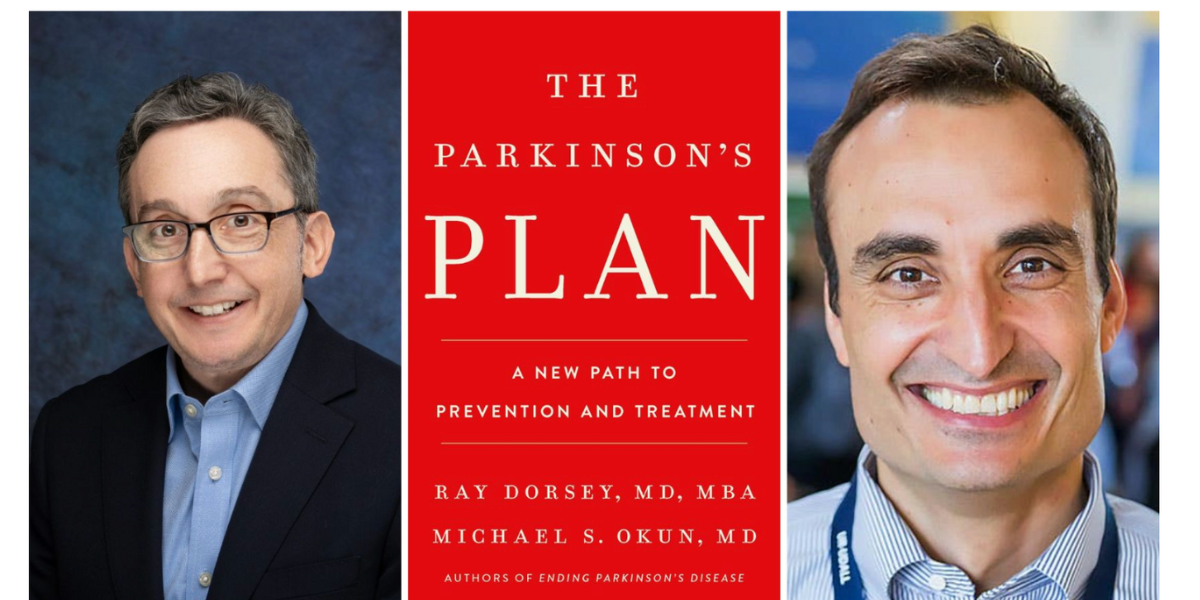
Here’s the encouraging truth: people with Parkinson’s are not powerless. 👇 What you do each day matters more than you may think. The Parkinson’s Plan: How Dr. Ray Dorsey Is Calling for Prevention, Better Care, and Action Now1/13/2026 Parkinson’s disease is rising at an alarming rate worldwide—faster than experts ever predicted. In their new book, The Parkinson’s Plan: A New Path to Prevention and Treatment, leading neurologists Dr. Ray Dorsey and Dr. Michael Okun describe this surge as nothing less than a man-made pandemic and outline a bold, urgent blueprint to stop it.
What if Parkinson’s disease is not inevitable—and we already have the tools to slow, stop, and even prevent its rise? That question drives The Parkinson’s Plan, a practical and unapologetic call to action for patients, caregivers, clinicians, researchers, and policymakers alike. Living with Parkinson’s disease can raise many questions—about symptoms, treatment options, research advances, and how to maintain independence and quality of life. Reliable information and expert guidance can make all the difference. That’s why the Parkinson’s Association of Southwest Florida (PASWFL) is hosting a powerful, one-day learning experience designed to educate, empower, and connect our community.
Here’s what makes this event truly exceptional—and why it could change the way you think about living well with Parkinson’s. What happens when unimaginable loss becomes a powerful message of hope?
Don't miss the Parkinson’s Association of Southwest Florida's (PASWFL) signature fundraising event for 2026: A Step Forward: Overcoming Obstacles, taking place on Friday, March 20, 2026, at the breathtaking LaPlaya Beach & Golf Resort in Naples. This inspiring luncheon brings together community leaders, supporters, and families impacted by Parkinson’s disease (PD) to raise critical funds for free local programs and services. This year’s keynote speaker is Staff Sergeant (Ret.) Johnny “Joey” Jones, a decorated combat veteran, bestselling author, and FOX News contributor whose life story exemplifies resilience, courage, and purpose. A Parkinson’s disease (PD) diagnosis affects more than movement—it impacts emotional well-being, confidence, and daily life. While medications play an important role, research and lived experience show that movement classes and support groups are essential tools for living well with Parkinson’s. These programs empower individuals to stay active, connected, and informed at every stage of the PD journey.
Here’s the good news: you don’t have to navigate Parkinson’s alone—and the right support can make a measurable difference. |
AuthorWrite something about yourself. No need to be fancy, just an overview. Archives
February 2026
Categories
All
|
|
|