|
|
|
|
|
Microplastics are everywhere—in our water, food, air, and even inside the human body. As research continues to explore environmental contributors to neurological conditions, many people are asking: How are microplastics connected to Parkinson’s disease?
While scientists are still studying the relationship, emerging evidence suggests that environmental toxins, including microplastics, may play a role in brain inflammation and neurodegeneration. What researchers are uncovering about microplastics and brain health may surprise you—and understanding it could change how we think about Parkinson’s risk. Keep reading to learn more.
0 Comments
Living with Parkinson’s disease (PD) brings physical and emotional challenges that can feel overwhelming. Many individuals search for natural, evidence-informed ways to improve balance, reduce stiffness, ease stress, and reconnect with their bodies. One gentle yet powerful approach gaining attention is Qigong and mindfulness for Parkinson’s disease.
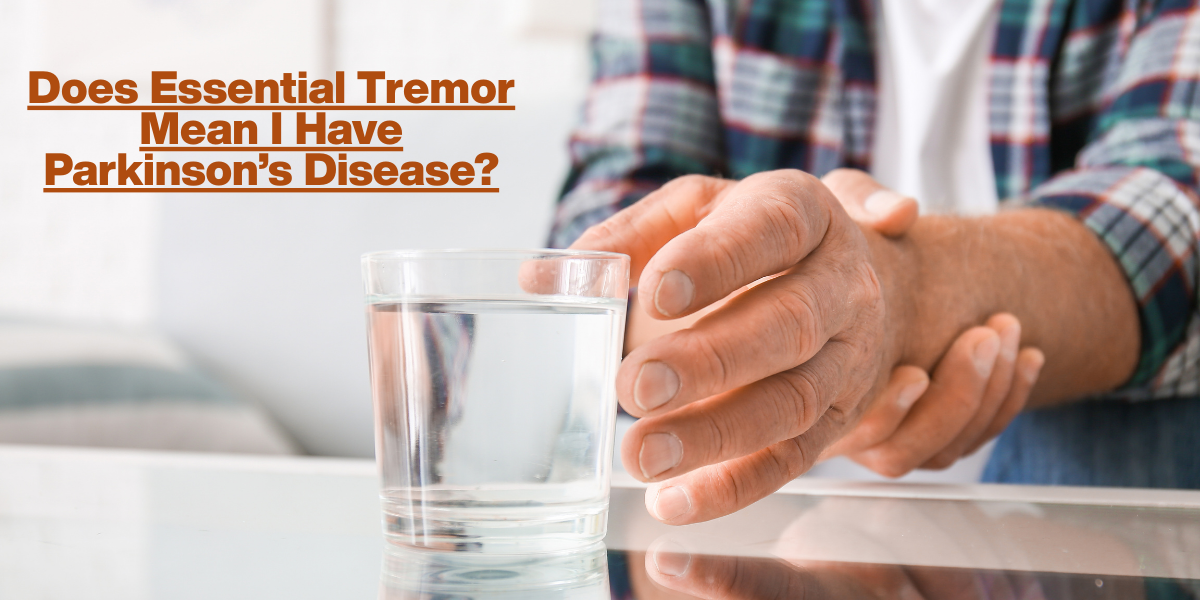
What if slow, intentional movement and simple breathing techniques could help you feel steadier, calmer, and more in control—starting right at home? Keep reading to discover how this practice works and how you can experience it for free. If you’ve noticed your hands shaking while holding a cup of coffee or signing your name, you may be wondering: Does essential tremor mean I have Parkinson’s disease? It’s a common and understandable fear. Tremors can feel alarming, especially when Parkinson’s disease (PD) is often associated with shaking.
Here’s the reassuring truth: essential tremor and Parkinson’s disease are not the same condition. While they both involve tremors, the causes, symptoms, and progression are different—and understanding those differences can ease anxiety and help you take the right next steps. Keep reading to learn more. Parkinson’s disease often develops gradually, and early symptoms can be subtle. Many people dismiss the first warning signs as normal aging or stress. However, recognizing the early signs of Parkinson’s disease (PD) can lead to earlier diagnosis, earlier treatment, and better long-term outcomes. Understanding what to look for empowers individuals and families to take action sooner.
Here’s what’s important: early Parkinson’s symptoms aren’t always obvious tremors. In fact, some of the first changes may involve sleep, smell, handwriting, or mood. Knowing these early warning signs could make a meaningful difference in quality of life. Keep reading to learn more. Are Support Groups Important for Parkinson’s Wellness? The Science and Emotional Benefits Explained2/19/2026 A Parkinson’s disease diagnosis affects more than movement. It impacts emotional health, relationships, confidence, and daily routines. While medication and therapy are essential, many people underestimate one powerful tool for living well with Parkinson’s: support groups. Connecting with others who understand the journey can dramatically improve mental health, coping skills, and overall quality of life.
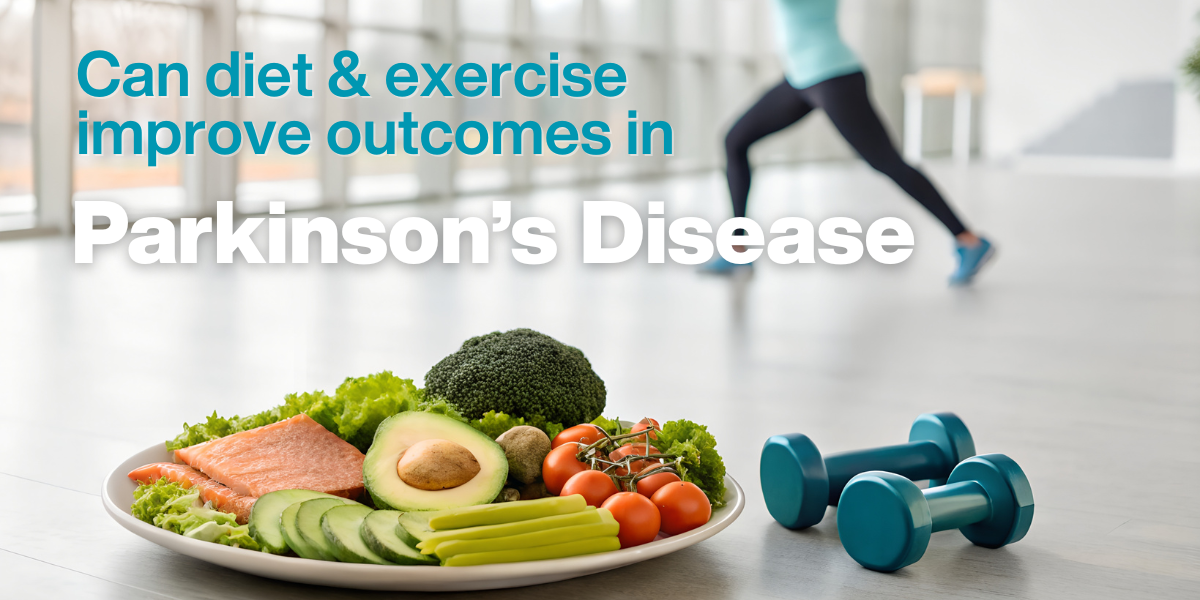
What if one of the most effective wellness tools for Parkinson’s isn’t found in a prescription bottle—but in a room full of people who truly understand what you’re going through? Keep reading to discover how support groups can strengthen resilience, reduce isolation, and improve long-term Parkinson’s outcomes. A Parkinson’s disease diagnosis can raise urgent questions about treatment, progression, and quality of life. While medication remains central to managing symptoms, growing research shows that diet and exercise can significantly improve outcomes in Parkinson’s disease (PD)—sometimes in ways that rival medication benefits. Lifestyle choices may not cure PD, but they can empower individuals to move better, think clearer, and live more fully.
Here’s the hopeful truth: simple, consistent changes in nutrition and physical activity can help slow functional decline, reduce symptom severity, and improve overall well-being. Let’s explore how. When Michael J. Fox was diagnosed with young-onset Parkinson’s disease at just 29 years old, he could have chosen privacy. Instead, he chose purpose. What began as a life-altering diagnosis became one of the most influential advocacy movements in Parkinson’s history.
His story isn’t just about living with Parkinson’s — it’s about transforming a diagnosis into a global mission. Keep reading to learn more. Graceful Aging with Parkinson’s: How to Transition to Assisted Living with Confidence and Dignity2/15/2026 Making the decision to transition to assisted living is never easy—especially for individuals living with Parkinson’s disease (PD) and the families who love them. It can stir emotions ranging from relief to guilt, uncertainty to hope. For many, the question isn’t if additional support will be needed—but when.
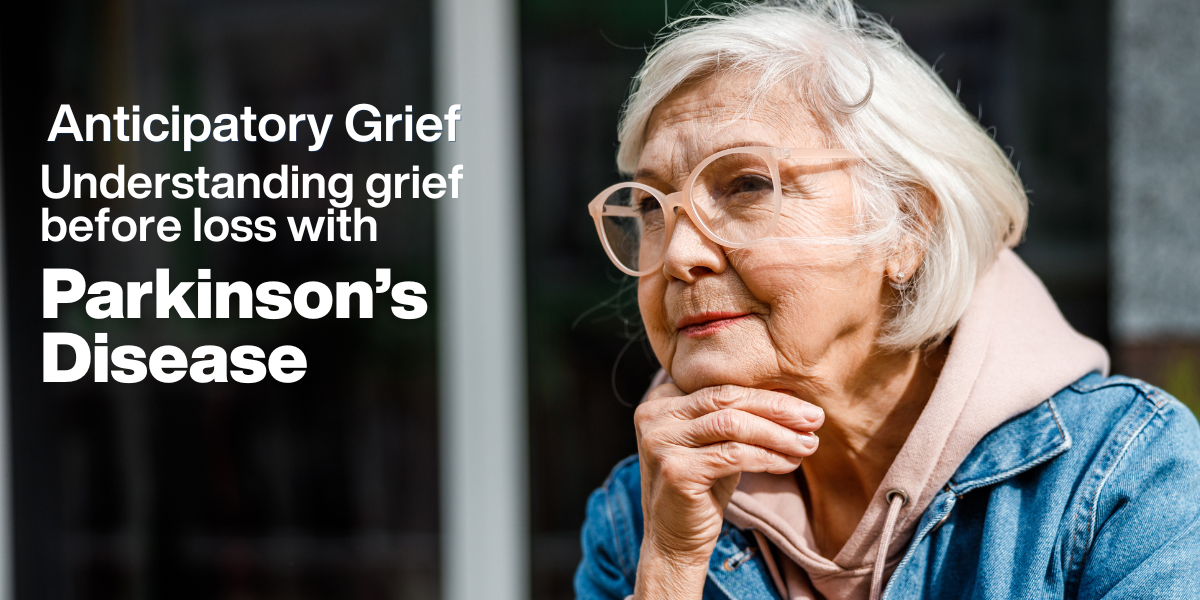
What if this next step isn’t about loss—but about safety, dignity, and quality of life? Keep reading to discover how thoughtful planning can transform fear into empowerment. When living with Parkinson’s disease, grief doesn’t wait for a final goodbye. It can quietly enter during moments of change—when roles shift, independence declines, or future plans feel uncertain. Many individuals and care partners experience waves of sadness, anger, fear, or even guilt long before a physical loss occurs.
If you’ve ever felt grief while your loved one is still here, you are not alone—and you are not doing anything wrong. Keep reading to understand why anticipatory grief is a natural response and how to navigate it with compassion and resilience. What Is Parkinson’s Syndrome?
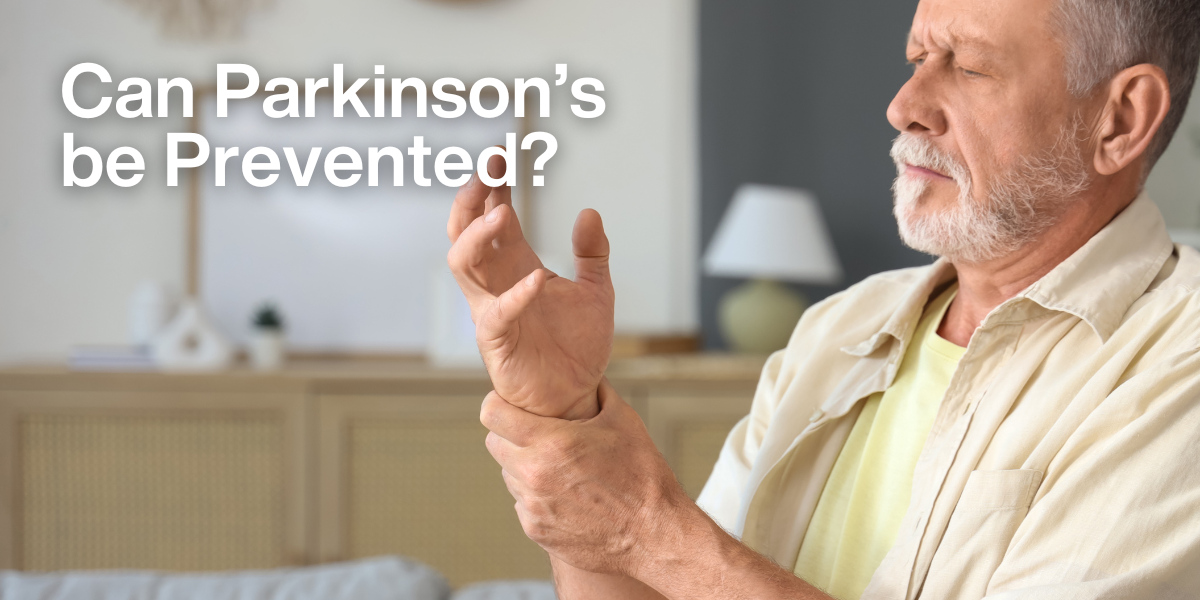
Many people hear the term “Parkinson’s syndrome” and assume it’s the same as Parkinson’s disease. While the two are related, they are not identical. Parkinson’s syndrome is often used to describe a group of neurological conditions that cause movement symptoms similar to Parkinson’s disease. Understanding the difference is important for accurate diagnosis and treatment. Here’s what many people don’t realize: Not all conditions that look like Parkinson’s are actually Parkinson’s disease. Some forms progress differently and respond differently to medication — which makes proper evaluation essential. Keep reading to learn more. Can Parkinson’s Disease Be Prevented? What Science Says About Risk Reduction and Brain Health2/14/2026 Can Parkinson’s Disease Be Prevented?
Parkinson’s disease (PD) is a progressive neurological disorder that affects movement, coordination, and many non-motor functions. One of the most common questions people ask is: Can Parkinson’s disease be prevented? The honest answer is that, at this time, there is no guaranteed way to prevent Parkinson’s. However, research suggests there may be steps that help reduce risk and support long-term brain health. Here’s the encouraging part: while Parkinson’s cannot currently be prevented outright, emerging research shows that lifestyle choices may influence brain resilience and potentially lower risk. Continue reading to find out more. What Is the Difference Between Parkinson’s Disease and Essential Tremor?
Tremors can be frightening. When a hand begins to shake, many people immediately worry about Parkinson’s disease. However, not all tremors are Parkinson’s. One of the most common movement disorders is essential tremor (ET) — a condition that is often confused with Parkinson’s disease (PD) because both involve shaking. Here’s what’s important to know: Although Parkinson’s disease and essential tremor may look similar at first glance, they are very different conditions with distinct causes, symptoms, and treatments. Continue reading to find out more. What Are the Very Early Signs of Parkinson’s Disease?
Parkinson’s disease (PD) is a progressive neurological disorder that affects movement, coordination, and many non-motor functions. While tremors are often the most recognized symptom, the very early signs of Parkinson’s disease can be subtle and easy to dismiss. Recognizing these early symptoms may allow for earlier diagnosis, treatment, and access to supportive resources. Here’s what many people don’t realize: Some of the earliest warning signs of Parkinson’s begin years before noticeable movement problems appear. Knowing what to look for could make a meaningful difference. Keep reading to learn more... When legendary singer-songwriter Neil Diamond announced in 2018 that he had been diagnosed with Parkinson’s disease (PD), fans around the world were heartbroken. Known for iconic hits like Sweet Caroline and Cracklin’ Rosie, Diamond retired from touring but has remained active in music and public life.
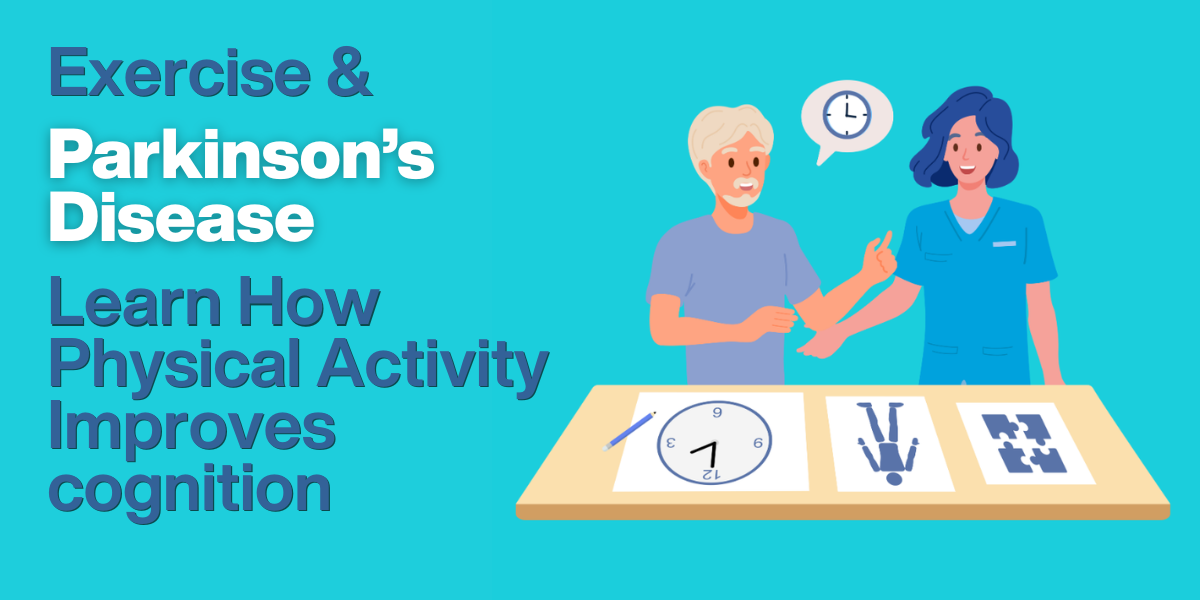
So how is Neil Diamond doing today—and what stage of Parkinson’s disease is he in? Here’s what’s important to understand… Exercise and Parkinson’s Disease: How Physical Activity Improves Cognition and Quality of Life2/11/2026 Parkinson’s disease (PD) is often associated with movement challenges such as tremors, stiffness, and slowed mobility. But many people are surprised to learn that Parkinson’s also affects thinking, planning, focus, and decision-making—known collectively as executive function (EF). Research continues to show that exercise plays a powerful role not only in improving mobility, but also in supporting brain health.
Here’s the encouraging news… Exercise doesn’t just help the body move better—it may actually strengthen parts of the brain responsible for thinking, organizing, and managing daily life. For individuals living with Parkinson’s, that’s a game changer. Keep reading to learn more. Falls and balance problems are among the most concerning symptoms for people living with Parkinson’s disease (PD). Postural instability—the loss of balance and difficulty maintaining an upright position—can significantly affect independence, confidence, and quality of life. Understanding when and why this symptom develops is critical for prevention and care planning.
Recent research is shifting how clinicians and individuals think about balance changes in Parkinson’s disease—and the findings may surprise you. Keep reading to learn more about this important study. Advances in Parkinson’s Disease Treatment: What 200 Years of Research Means for Living Well Today2/7/2026 More than 200 years have passed since Parkinson’s disease was first described, and the journey of discovery continues. Today, Parkinson’s is one of the fastest-growing neurological conditions worldwide, especially as populations live longer. While there is still no cure, advances in Parkinson’s disease research are transforming how the condition is understood, treated, and supported—offering real hope for people living with PD and their families.
Here’s the encouraging truth many people don’t hear often enough… Although Parkinson’s remains complex, research breakthroughs in genetics, brain imaging, and biomarkers are reshaping care—helping people manage symptoms more effectively and live fuller, more independent lives. Keep reading to learn more. Living with Parkinson’s disease (PD) affects more than movement--it can change how a person speaks, swallows, and connects with others. Speech therapy is one of the most effective, yet often underutilized, tools for maintaining communication, confidence, and quality of life for individuals living with PD. The earlier it begins, the greater the impact.
As Parkinson’s progresses, symptoms such as a softer voice, slurred speech, reduced facial expression, and swallowing difficulties can quietly limit daily interactions. These changes are not simply “part of aging”--they are treatable symptoms of Parkinson’s disease, and speech therapy plays a critical role in addressing them. Learn more about the benefits of speech exercise. |
AuthorWrite something about yourself. No need to be fancy, just an overview. Archives
February 2026
Categories
All
|
|
|