|
|
|
|
|
One of the biggest questions facing people newly diagnosed with Parkinson’s disease is what the future holds. Will symptoms progress slowly over decades, or will changes occur more rapidly? A new study published in npj Parkinson’s Disease suggests that patterns of brain activity may help researchers answer that question and potentially transform the future of Parkinson’s care.
0 Comments
Wearable Sensors and Parkinson’s Disease: New Technology May Improve Tracking of Disease Progression6/22/2026 Tracking Parkinson’s disease progression can be challenging. Most evaluations occur during routine medical appointments, where healthcare providers observe symptoms during a brief office visit. But Parkinson’s symptoms can fluctuate throughout the day, making it difficult to capture a complete picture of how the disease affects daily life.
For many people living with Parkinson’s disease, medications can provide significant relief from symptoms such as tremors, stiffness, and slowed movement. However, over time, some individuals notice that their medications don’t seem to work as effectively as they once did. This can be frustrating and sometimes concerning.
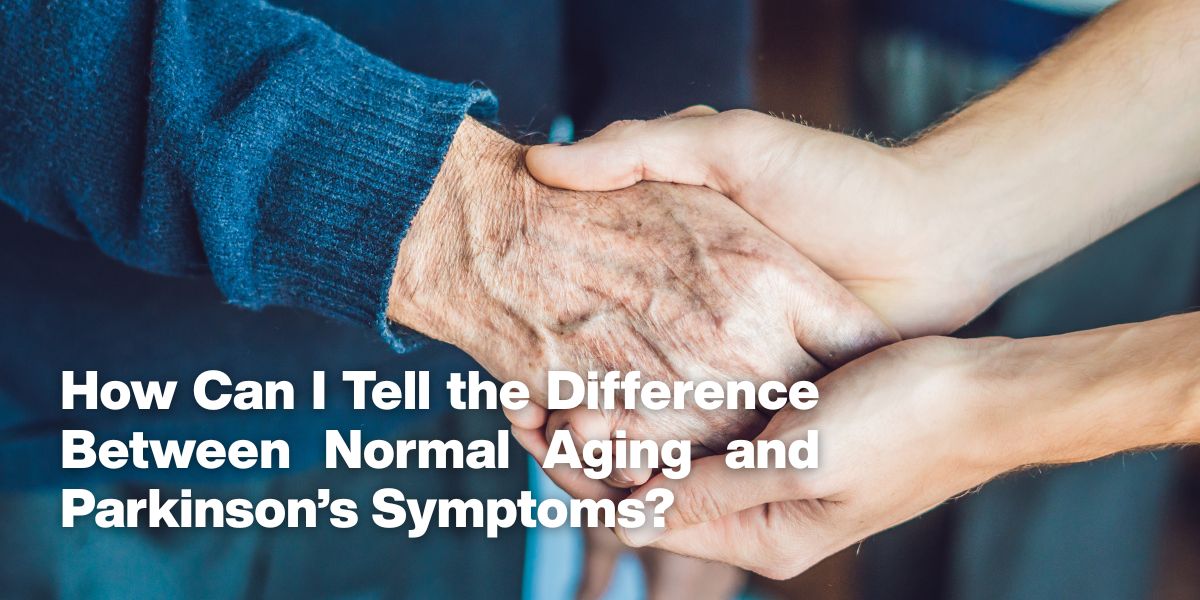
The good news is that a change in medication effectiveness does not necessarily mean treatment options have run out. In fact, many people with Parkinson’s experience medication fluctuations as the disease progresses, and there are often strategies, therapies, and treatment adjustments that can help restore symptom control and improve quality of life. As we grow older, it's natural to notice changes in our bodies. Maybe you move a little slower, have occasional stiffness, or find it takes longer to learn new technology. But when do these changes go beyond normal aging and become signs of Parkinson’s disease?
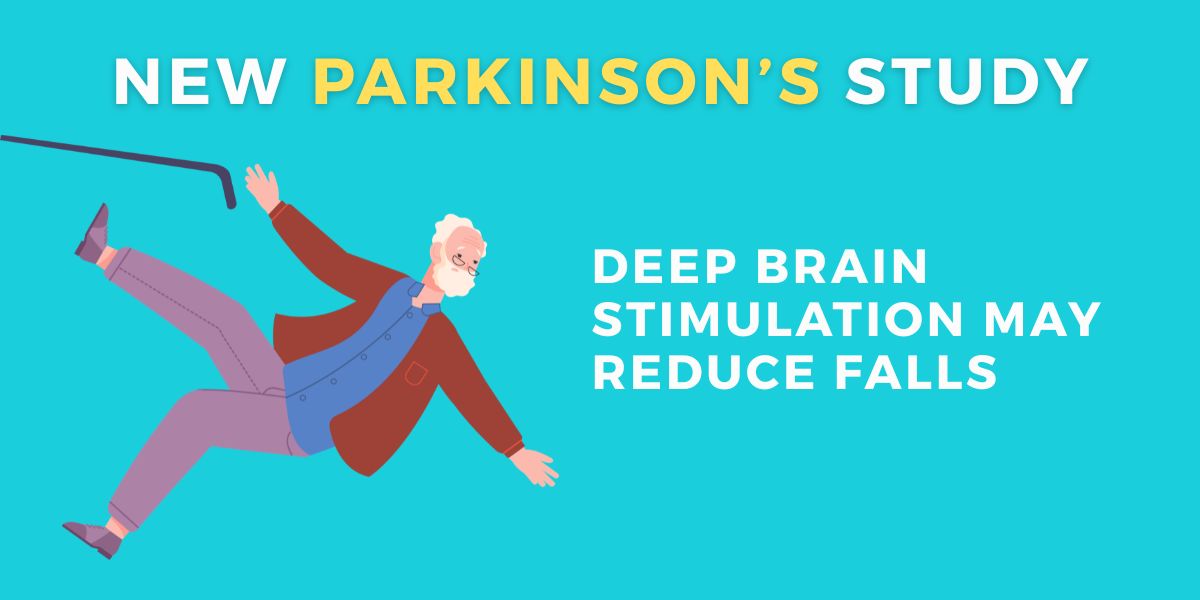
Many people dismiss early Parkinson’s symptoms as simply “getting older,” which can delay diagnosis and treatment. Understanding the key differences between normal aging and Parkinson’s disease can help individuals recognize warning signs early and seek appropriate medical care when needed. A groundbreaking study published in "Nature Medicine" suggests that adaptive deep brain stimulation (aDBS) may do exactly that. Researchers found that a personalized form of DBS that responds to brain activity during walking improved gait patterns and reduced falls in people living with Parkinson’s disease.
Deep brain stimulation (DBS) has been used for years to help manage tremors, stiffness and other motor symptoms associated with Parkinson’s disease. Traditional DBS systems provide continuous stimulation at a fixed setting. While effective for many symptoms, they have often been less successful in treating walking difficulties and freezing of gait. Read more about this study. A Parkinson’s disease diagnosis often raises many questions about the future. One of the most common concerns individuals and families have is understanding what to expect as Parkinson’s disease progresses. While Parkinson’s is a progressive neurological condition, it is important to remember that no two people experience the disease in exactly the same way.
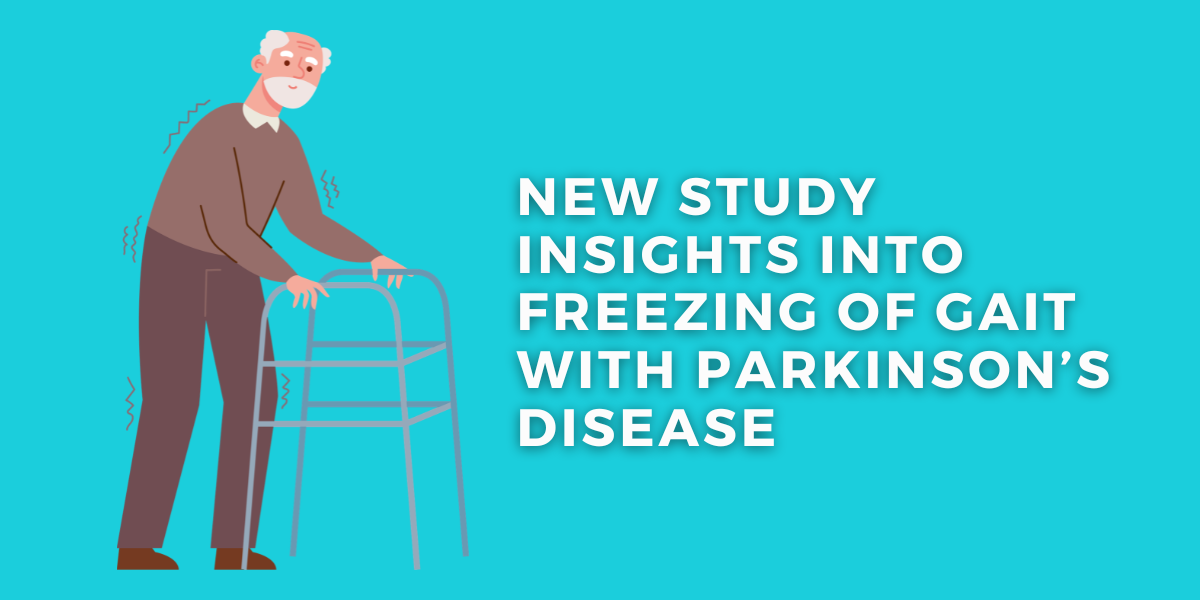
The good news is that many people with Parkinson’s continue to live active, meaningful lives for years after diagnosis. Advances in treatment, exercise programs, therapies, and support services have significantly improved quality of life. Understanding the stages of progression can help individuals and care partners prepare, adapt, and take proactive steps to manage symptoms effectively. For many people living with Parkinson’s disease, freezing of gait can be one of the most frustrating and dangerous symptoms. During a freezing episode, a person may suddenly feel as though their feet are glued to the floor, making it difficult or impossible to take the next step. These episodes can increase the risk of falls, injuries and loss of independence.
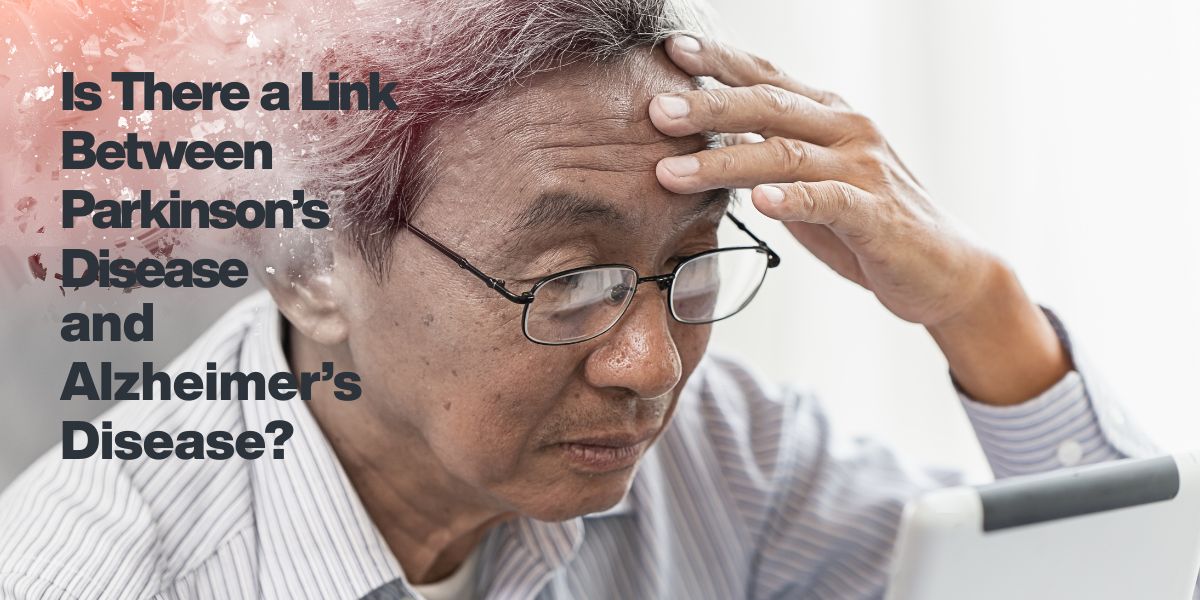
What if doctors could identify the warning signs of freezing before it happens? Keep reading to learn more. Parkinson’s disease and Alzheimer’s disease are two of the most common neurodegenerative disorders affecting older adults. Because both conditions impact the brain and can cause changes in memory, thinking, and daily functioning, many people wonder whether there is a connection between them.
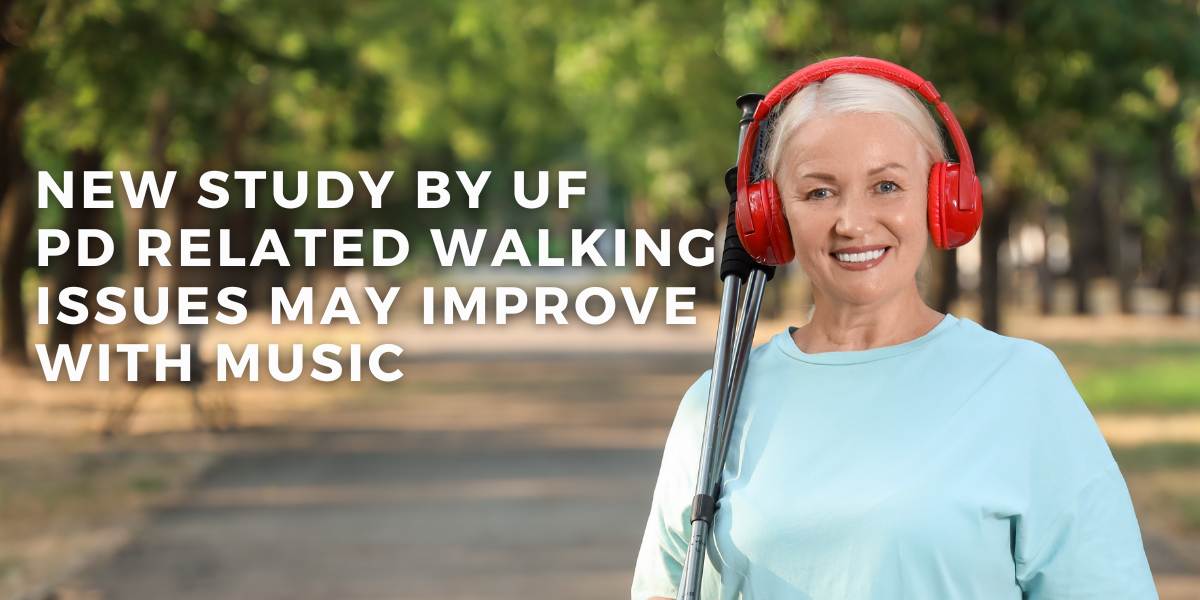
Could Parkinson’s disease increase the risk of cognitive decline? And if someone has Parkinson’s, does that mean they will develop Alzheimer’s disease? The relationship between these two conditions is more complex than many people realize. Understanding the similarities and differences can help individuals and families better navigate diagnosis, treatment, and long-term care planning. For many people living with Parkinson’s disease, walking can become increasingly difficult. Changes in gait, shorter strides, reduced arm swing and balance challenges can affect independence and quality of life. Now, exciting new research from the University of Florida suggests that something as simple as listening to music may help improve movement in people with Parkinson’s disease. Keep reading to learn more.
Sleep is essential for physical health, brain function, emotional well-being, and overall quality of life. Yet for many people living with Parkinson’s disease, getting a good night’s sleep can become increasingly difficult. In fact, sleep disturbances are among the most common non-motor symptoms of Parkinson’s disease and can significantly affect daily functioning.
What if some of the fatigue, brain fog, mood changes, or worsening Parkinson’s symptoms you experience during the day actually begin at night? Understanding how Parkinson’s affects sleep—and learning strategies that may improve rest—can help individuals take meaningful steps toward better health, energy, and quality of life. As researchers continue to search for better treatments—and ultimately a cure—for Parkinson’s disease, clinical trials play a critical role in advancing medical knowledge. Clinical trials allow scientists to evaluate new medications, therapies, medical devices, and treatment approaches that may improve the lives of people living with Parkinson’s disease.
What many people don't realize is that participating in a clinical trial may provide access to promising new therapies years before they become widely available. Clinical trials also give individuals an opportunity to contribute to research that could benefit future generations. If you're interested in learning about Parkinson’s clinical trials, understanding where to look and what to expect is the first step. Living with Parkinson’s disease can present daily challenges, but research continues to show that movement is one of the most powerful tools available for maintaining mobility, independence, and quality of life. That’s why the Parkinson’s Association of Southwest Florida (PASWFL) is excited to introduce a new program designed to help people living with Parkinson’s stay active, connected, and engaged.
What if exercise didn’t feel like exercise? What if movement could improve balance, strength, confidence, and emotional well-being while bringing joy and creativity into your day? That’s exactly what the new Rhythm & Motion for Parkinson’s class is designed to do. How and Why Is Sleep Affected by Parkinson’s Disease—and What Can Help?
Sleep is essential for physical health, brain function, emotional well-being, and quality of life. Yet for many people living with Parkinson’s disease, getting a good night’s sleep can become increasingly difficult. In fact, sleep disturbances are among the most common non-motor symptoms of Parkinson’s disease and can affect individuals at any stage of the condition. What many people don't realize is that sleep problems can sometimes appear years before a Parkinson’s diagnosis. From insomnia and vivid dreams to restless nights and daytime fatigue, Parkinson’s can affect nearly every aspect of sleep. Understanding why these changes occur—and what can help—can make a meaningful difference in daily life and overall well-being. Parkinson's disease affects much more than movement. Changes in speech, swallowing, drooling, and communication can significantly impact daily life for both individuals living with Parkinson's and their care partners. The good news is that there are proven strategies that can help improve comfort, confidence, and quality of life.
What if a few simple techniques could help you communicate more clearly, eat more comfortably, and strengthen connections with the people who matter most? Keep reading to learn about two free Parkinson's education programs designed to provide practical tools and expert guidance. Can Stress Make Parkinson’s Symptoms Worse?
Living with Parkinson’s disease can bring many physical and emotional challenges. From managing symptoms to navigating daily routines, individuals with Parkinson’s often experience situations that can increase stress levels. A common question among people living with Parkinson’s and their care partners is whether stress can actually make symptoms worse. The answer is yes—stress can temporarily worsen many Parkinson’s symptoms. While stress does not cause Parkinson’s disease, it can affect how symptoms are experienced from day to day. Understanding this connection can help individuals develop strategies to better manage both their emotional well-being and their physical health. One of the most common questions people ask after a Parkinson’s diagnosis is whether the disease runs in families. If a parent, sibling, or close relative has Parkinson’s disease, it is natural to wonder if other family members are at increased risk. While genetics can play a role in some cases, the answer is more complex than a simple yes or no.
The good news is that most people diagnosed with Parkinson’s disease do not have a strong family history of the condition. Researchers believe Parkinson’s develops through a combination of genetic and environmental factors. Understanding the role of heredity can help individuals and families better understand their risks and make informed healthcare decisions. |
AuthorWrite something about yourself. No need to be fancy, just an overview. Archives
June 2026
Categories
All
|
|
|