|
|
|
|
|
One of the most common questions after a Parkinson’s disease (PD) diagnosis is: What is the number one treatment for Parkinson’s disease?
The answer is not as simple as naming a single pill or procedure. Parkinson’s is a complex neurological condition, and the most effective treatment approach is one that is personalized, progressive, and supported over time. Here’s the key truth: while medication is essential, the most effective “treatment” for Parkinson’s disease is a comprehensive care approach that combines medical therapy, movement, education, and ongoing support. Keep reading to learn more.
0 Comments
Choosing the best hospital for Parkinson’s treatment is one of the most important decisions a patient and their family can make. Parkinson’s disease (PD) is complex and progressive, and optimal care often requires a multidisciplinary medical team, advanced diagnostic tools, and access to ongoing therapies that support both physical and emotional health.
But here’s what many people don’t realize: the “best” hospital isn’t just about national rankings — it’s about finding the right combination of expertise, comprehensive care, and long-term support that fits your needs. Do Support Groups Really Help People with Parkinson’s Disease? What Research and Real Life Say1/23/2026 A Parkinson’s disease (PD) diagnosis can feel isolating. Questions arise quickly: What happens next? Who understands what I’m going through? Will this get easier—or harder? For many people living with Parkinson’s, one of the most common recommendations is to join a support group. But do support groups really help people with PD?
The short answer: yes—and often in powerful, life-changing ways. Here’s why support groups can be one of the most effective, yet underused, tools for living well with Parkinson’s. A Parkinson’s disease (PD) diagnosis can feel isolating, confusing, and overwhelming. Many people—both those living with Parkinson’s and their care partners—wonder where to turn for understanding, guidance, and connection. One of the most common questions asked after diagnosis is simple but powerful: Do support groups really help people with Parkinson’s disease?
The short answer is yes—but the reasons why may surprise you. Keep reading. Common Symptoms of Parkinson’s Disease: Early Signs, Motor Changes, and Non-Motor Symptoms to Know1/21/2026 Parkinson’s disease (PD) is a progressive neurological condition that affects nearly one million people in the United States. While it is often associated with visible movement changes, Parkinson’s symptoms can begin subtly—sometimes years before diagnosis—and affect both the body and mind. Understanding the common symptoms of Parkinson’s disease can lead to earlier detection, better care, and improved quality of life.
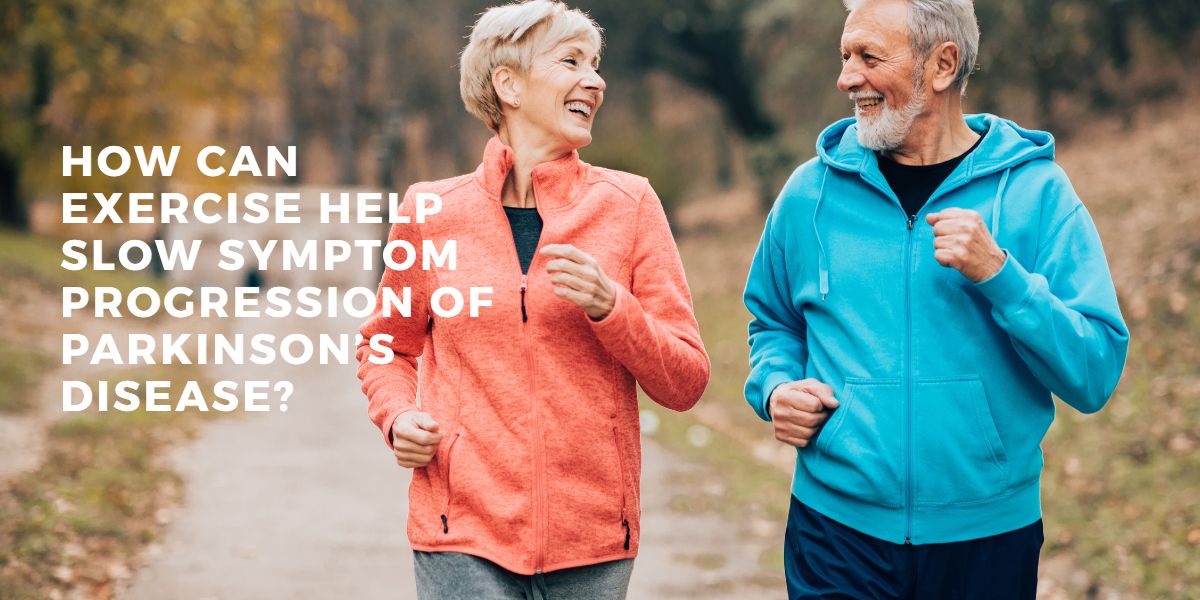
What if the earliest signs of Parkinson’s aren’t what you expect—and recognizing them sooner could change everything? Keep reading. Can Lifestyle and Exercise Help Manage Parkinson’s Disease? What Research and Experience Tell Us1/14/2026 Parkinson’s disease (PD) is often associated with medications and medical care—but research increasingly shows that lifestyle choices and exercise play a powerful role in managing symptoms and improving quality of life. While there is currently no cure for Parkinson’s, daily habits can make a meaningful difference in how individuals feel, move, and live.
Here’s the encouraging truth: people with Parkinson’s are not powerless. 👇 What you do each day matters more than you may think. The Parkinson’s Plan: How Dr. Ray Dorsey Is Calling for Prevention, Better Care, and Action Now1/13/2026 Parkinson’s disease is rising at an alarming rate worldwide—faster than experts ever predicted. In their new book, The Parkinson’s Plan: A New Path to Prevention and Treatment, leading neurologists Dr. Ray Dorsey and Dr. Michael Okun describe this surge as nothing less than a man-made pandemic and outline a bold, urgent blueprint to stop it.
What if Parkinson’s disease is not inevitable—and we already have the tools to slow, stop, and even prevent its rise? That question drives The Parkinson’s Plan, a practical and unapologetic call to action for patients, caregivers, clinicians, researchers, and policymakers alike. Living with Parkinson’s disease can raise many questions—about symptoms, treatment options, research advances, and how to maintain independence and quality of life. Reliable information and expert guidance can make all the difference. That’s why the Parkinson’s Association of Southwest Florida (PASWFL) is hosting a powerful, one-day learning experience designed to educate, empower, and connect our community.
Here’s what makes this event truly exceptional—and why it could change the way you think about living well with Parkinson’s. What happens when unimaginable loss becomes a powerful message of hope?
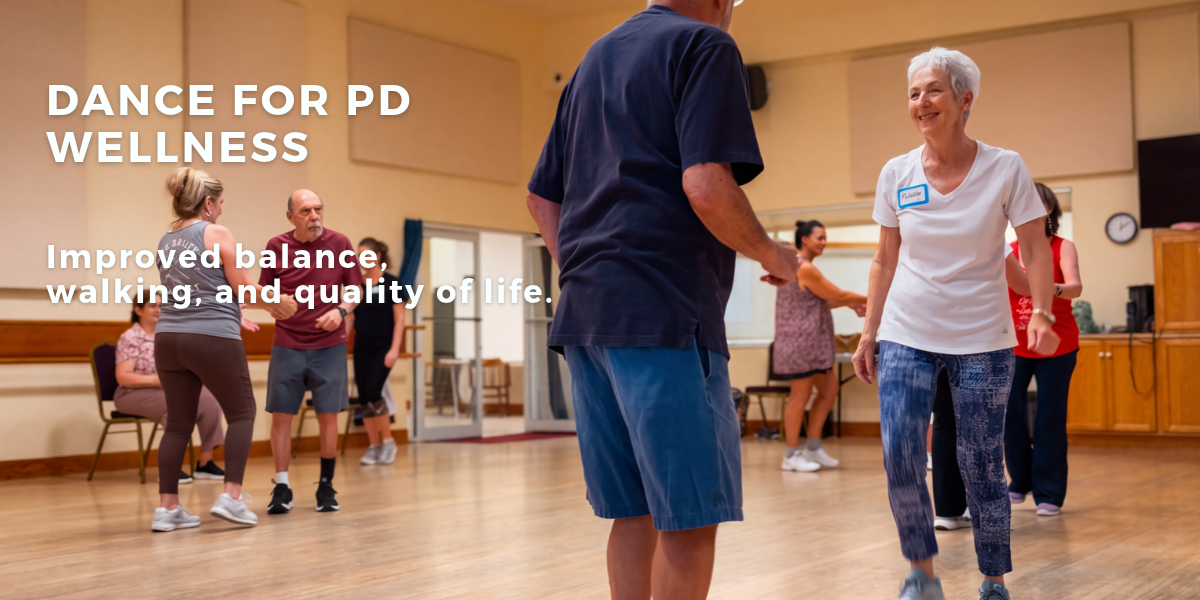
Don't miss the Parkinson’s Association of Southwest Florida's (PASWFL) signature fundraising event for 2026: A Step Forward: Overcoming Obstacles, taking place on Friday, March 20, 2026, at the breathtaking LaPlaya Beach & Golf Resort in Naples. This inspiring luncheon brings together community leaders, supporters, and families impacted by Parkinson’s disease (PD) to raise critical funds for free local programs and services. This year’s keynote speaker is Staff Sergeant (Ret.) Johnny “Joey” Jones, a decorated combat veteran, bestselling author, and FOX News contributor whose life story exemplifies resilience, courage, and purpose. A Parkinson’s disease (PD) diagnosis affects more than movement—it impacts emotional well-being, confidence, and daily life. While medications play an important role, research and lived experience show that movement classes and support groups are essential tools for living well with Parkinson’s. These programs empower individuals to stay active, connected, and informed at every stage of the PD journey.
Here’s the good news: you don’t have to navigate Parkinson’s alone—and the right support can make a measurable difference. Parkinson’s disease (PD) is a progressive neurological condition, but one of the most common—and frustrating—questions after diagnosis is: How long does it take for Parkinson’s disease to progress? The answer isn’t simple, because Parkinson’s affects each person differently.
Here’s the hopeful truth: Parkinson’s progression is highly individual, and many people live active, fulfilling lives for decades after diagnosis. Why Register Early for the 2026 Valentine’s Day Event in Naples, FLWe warmly invite you to join us on Valentine’s Day — Saturday, February 14, 2026 — for our ❤️ Step Up with Love Walk for Parkinson’s! ❤️ This cherished community event brings together hundreds of caring hearts to support local individuals and families living with Parkinson’s disease.
👉 But before you lace up your walking shoes, there’s one important reason to keep reading: registering by January 6th means you save money, secure your event t-shirt, and step into the new year with an act of love that will have a lasting impact. 👈 25 Thoughtful Gifts for Someone with Parkinson’s Disease (Meaningful, Practical Ideas for 2026)12/8/2025 25 Thoughtful Gifts for Someone with Parkinson’s Disease
Finding the perfect gift for someone living with Parkinson’s disease can feel challenging, but it doesn’t have to be. The most meaningful gifts offer comfort, support in daily challenges, or bring joy to everyday routines. Whether you’re shopping for a loved one, friend, or care partner, these thoughtful ideas can make a genuine difference in their quality of life. The right gift doesn’t just brighten their day—it can help them live more confidently, more independently, and more comfortably. Keep reading to discover impactful ideas that truly matter. Recognizing Early Signs of Parkinson’s Disease: What You Need to Know
Parkinson’s disease (PD) is a progressive neurological disorder that affects movement, speech, and overall quality of life. Detecting PD early can make a significant difference in managing symptoms and maintaining independence. Some early signs of Parkinson’s may be subtle, but noticing them promptly can lead to earlier diagnosis and treatment. You may not realize it, but small changes in your handwriting, posture, or sense of smell could be your body’s first signals of Parkinson’s. Understanding these signs can empower you to take action before symptoms significantly impact daily life. For many people living with Parkinson’s disease, changes in speech, voice, memory, and communication can be some of the most frustrating challenges. These shifts can affect confidence, connection, and everyday interactions—but with the right tools and support, individuals can strengthen their abilities and maintain independence.
Here’s the encouraging news: targeted speech and cognitive strategies can help retrain the brain, support clearer communication, and improve cognitive resilience. Keep reading to learn how you can access these tools and expert guidance. How Neuroplasticity and Exercise Strengthen the Parkinson’s Brain: Join Our January 14 PD Talk12/3/2025 How Neuroplasticity and Exercise Strengthen the Parkinson’s Brain: Join Our January 14 PD Talk
Living with Parkinson’s disease often means navigating challenges in movement, balance, and everyday tasks. But the brain has a remarkable ability that offers hope: neuroplasticity, the process through which it adapts, rewires, and forms new neural pathways. Understanding how to activate this power can be a game-changer for anyone living with Parkinson’s. Here’s the exciting part: research shows that targeted exercise can significantly boost neuroplasticity—helping the brain work smarter, move better, and stay stronger. Keep reading to learn how. Sleep apnea is more than a nighttime breathing problem—it may also be linked to long-term brain health. A new study published in JAMA Neurology found that people diagnosed with obstructive sleep apnea are significantly more likely to develop Parkinson’s disease later in life. And one key treatment may help lower that risk.
But what does this mean for individuals living with sleep apnea today—and how can early intervention make a difference? Keep reading to learn what researchers discovered and why it matters. Unlock the Power of Food: PD Talk on Nutritional Strategies for Parkinson's Disease
A diagnosis of Parkinson’s Disease (PD) brings with it many questions, but one of the most proactive and empowering steps you can take is focusing on what’s on your plate. While medication is crucial, the daily choices you make about food and drink profoundly impact symptom management, energy levels, and overall quality of life when living with PD. Often, dietary changes can be a subtle yet powerful lever for better health, especially when navigating challenges like tremors, constipation, or medication timing. Are you managing Parkinson's but feel like you're missing a key piece of the wellness puzzle? You might be overlooking the simplest, most accessible tool available every single day: your diet. Keep reading to discover how tailored nutritional strategies can fundamentally shift your PD journey and how you can join a free expert talk to learn exactly where to start. What Is Parkinson Syndrome? Understanding Symptoms, Causes, and Early Support
Parkinson syndrome—often called parkinsonism—is a group of neurological conditions that cause symptoms similar to Parkinson’s disease, including tremors, stiffness, slowed movement, and balance problems. While Parkinson’s disease is the most common type, several other conditions can also cause parkinsonism, each with its own causes, progression, and treatment approaches. Keep reading to learn the key differences, early signs to watch for, and why getting support as soon as possible can dramatically improve quality of life. Powerful Tools for Caregivers: Free 6-Week Course That Helps You Thrive While Caring for a Loved One11/21/2025 Caring for someone living with Parkinson’s disease can be deeply meaningful—but also physically, mentally, and emotionally demanding. That’s why the Parkinson’s Association of Southwest Florida is offering Powerful Tools for Caregivers (PTC), a free, evidence-based 6-week program designed to help caregivers stay healthy, confident, and resilient.
If you’ve ever felt overwhelmed, exhausted, or unsure how to balance caregiving with your own well-being, this program can be life-changing. Keep reading to discover how these classes strengthen your skills, reduce burnout, and improve daily life—for you and the person you care for. Fall Prevention & Assistive Devices for Parkinson’s: Free PD Talk on December 17 via Zoom11/21/2025 Fall Prevention and Assistive Devices: Strategies for Safety and Confidence with Parkinson’s
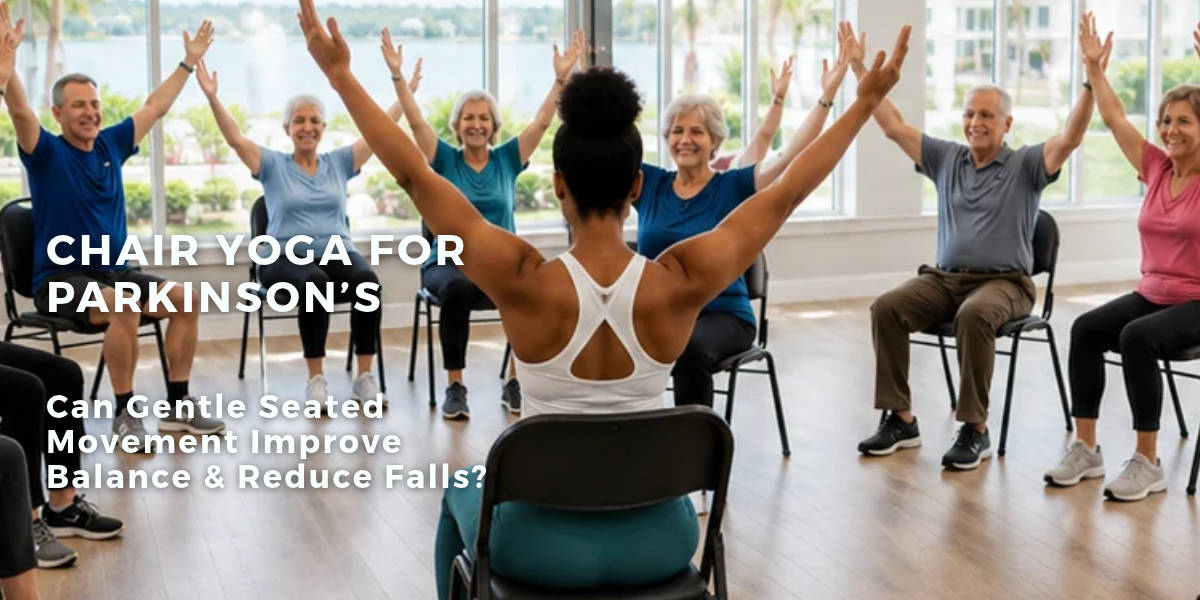
Falls are one of the most common—and most concerning—challenges for individuals living with Parkinson’s disease (PD). Changes in balance, gait, posture, and coordination can increase fall risk, but there are proactive steps that can significantly improve safety and independence. That’s why the Parkinson’s Association of Southwest Florida (PASWFL) is hosting a Free PD Talk: Fall Prevention & Assistive Devices on December 17 at 3:00 pm via Zoom, featuring Dr. Megan Walsh, DPT, NCS, C/NDT, Clinical Assistant Professor at FGCU. If you or someone you love is navigating mobility challenges, keep reading—these strategies can empower you to stay active, confident, and safe at home and in the community. Behind-the-Wheel Driving Evaluations for Parkinson’s: Free PD Talk on December 3 via Zoom11/21/2025 Behind-the-Wheel Driving Evaluations for Parkinson’s: What You Need to Know
Staying safe and confident on the road is an important part of independence, especially for individuals living with Parkinson’s disease (PD). Driving can be affected by changes in reaction time, mobility, and cognitive processing—but there are practical ways to evaluate and support safe driving abilities. That’s why the Parkinson’s Association of Southwest Florida (PASWFL) is hosting a Free PD Talk: Behind-the-Wheel Driving Evaluations on December 3 at 3:00 pm via Zoom. Wondering how a driving evaluation works—or whether you or a loved one should consider one? Keep reading to discover how a professional driving assessment can help maintain independence while keeping everyone safe. The Best Ways to Slow the Progression of Parkinson’s Disease: Evidence-Based Strategies That Help11/20/2025 Living with Parkinson’s Disease (PD) can feel overwhelming, especially after a new diagnosis. While there is currently no cure, research continues to show that there are effective ways to slow progression, improve function, and support long-term quality of life. The key is understanding what works—and building consistent habits that protect brain health.
Here’s the surprising part: many of the best strategies aren’t complicated or medical—they’re lifestyle changes shown to make a meaningful difference. Keep reading to learn the most effective, science-supported ways to slow the progression of Parkinson’s Disease. How Support Groups Help People Living With Parkinson’s Disease: Benefits, Connection & Hope11/18/2025 Living with Parkinson’s Disease (PD) can bring emotional, physical, and social challenges that affect both the individual diagnosed and their loved ones. While medications and therapies play an essential role in managing symptoms, many people underestimate the powerful impact of something just as important--support.
If you’ve ever wondered why so many neurologists, therapists, and PD organizations recommend joining a support group, the answer is simple: because support groups consistently help people live better, feel better, and stay better connected. Keep reading to learn exactly how. Parkinson's Disease (PD) is a progressive neurodegenerative disorder that impacts millions worldwide, affecting movement, balance, and cognitive function. While often associated with prominent tremors, the earliest signs of Parkinson's are often subtle and can easily be overlooked or attributed to aging. Recognizing these initial indicators can be crucial for an early diagnosis, allowing for timely intervention and better management strategies. The journey with Parkinson's is unique for everyone, but understanding its whispers can empower individuals to seek help sooner.
Could those nagging, seemingly minor changes you've noticed be more than just stress or fatigue? Join us as we explore the crucial early signs of Parkinson's Disease, empowering you with the knowledge to act. |
AuthorWrite something about yourself. No need to be fancy, just an overview. Archives
January 2026
Categories
All
|
|
|