Parkinson's Association of SWFL
  • Home
    • Hurricane Resources
  • Resources for Living Well with PD
    • Start Here What You Need to Know about PD >
      • Parkinson Disease in Florida
      • FLORIDA PD REGISTRY
      • 10 things to know about PD
    • Living Well with PD: Start Today
    • PD 101 Free ebook
    • Your Questions About PD Answered in our Blog
    • Community Resources >
      • Community Support Initiatives
      • Movement Disorder Specialists and Neurologists
      • Additional Classes in SWFL for PD
      • Additional SWFL resources for PD
    • Articles & Research on PD >
      • RED LIGHT THERAPY SHOWS PROMISE FOR PD
      • BRAIN PROTIENS MARKERS FOR PARKINSONS DETECTION
      • GUT MICROBIOME EARLY PREDICToR OF PD
      • NEW DBS SETTINGS MAY IMPROVE SPEECH IN PD
      • BRAIN PATTERNS LINKED TO LEVODOPA INDUCED DYSKINESIA
      • BRAIN MODELING TO PREDICT PD PROGRESSION
      • WEARABLE DEVICES FOR TRACKIN PD PROGRESSION
      • BRAIN ACTIVITY PREDICTOR OF PD PROGRESSION
      • DEEP BRAIN STIMULATION PD
      • UNDERSTANDING GAIT IN PD
      • MUSIC MAY IMPROVE GAIT IN PD
      • GOLF COURSE PROXIMITY AND INCREASED RISK FOR PD
      • Social Support Improves PD Symptoms
      • Exercise Improves PD Outcomes
      • Genetic Role in PD
      • Advances in PD
      • Genetic Link to PD
      • Exercise and improved executive Functioning with PD
      • Exercise and Fall Prevention with PD
      • Intimacy and PD
      • spinal cord neuroprosthesis and PD
      • Advance Care Planning and PD
      • Cognitive Impairment Treatment PD
      • Mercury and PD
      • Cognitive Remediation Therapy
      • COVID Vulnerability and PD
      • Postural Instability Severity PD
      • Early Trial for Treatment Shows Promise
      • Biomarker Found
      • Therapeutic Benefits of Dance
      • Ultrasound Therapy for PD
      • Improvisational Theatre for PD
      • PD Detection using AI and Breathing Patterns
      • ALTERNATIVE MOVEMENT EXERCISE
      • NON INVASIVE TREATMENT R-TMS
      • Group Therapy
      • Multidisciplinary Approach to PD
      • VIBRATING GLOVE SHOWES PROMISE
      • Prevalence of PD Underestimated
      • Differences in Men and Women with PD
      • Intermittent Fasting for PD
      • Meditation and Complementary Therapy for PD
      • Cognitive Impairment and PD
      • Aerobic Exercise Alters Brain Function in PD
      • A-Synuclein Biomarker
      • Mediterranean Diet for PD
      • Regular Exercise Improve PD Quality of Life
    • Videos of PD Talks
    • PD Assistive Items
    • Participate in a PD Study or Trial
  • Members Only
  • Programs & Events
    • Sample Calendar of Activities
    • Movement Classes
    • Rhythm In Motion Class
    • Support Groups
    • Speech Exercise
    • Wellness Classes
    • Education Programs
    • Caregiver Programs
    • EARLY ONSET PD
    • Lunch Bunch
    • Events >
      • Bingo for Bags and Baubles >
        • Bingo for Bags and Baubles Sponsorships
        • Bingo for Bags and Baubles Underwriting
        • Bingo for Bags and Baubles Silent Auction
      • Mingle & Share a PD Resource Fair
      • Step Up for PD Walk >
        • REGISTER TO WALK - INDIVIDUALS & TEAMS
        • FUNDRAISE FOR THE WALK
        • SUPPORT A WALKER
      • Education Symposium
  • About Us
    • Our Mission
    • Board of Directors
    • Staff
    • News/Press >
      • 2023-24 Board Announced
  • Become a Member
    • Complete a Participation Waiver
  • CONNECT WITH US
    • PD 101 Free Sign Up
    • ENEWS SIGN UP
    • Contact us
  • SUPPORTING OUR MISSION
    • YEAR END GIVING
    • ANNUAL FUND
    • IN HONOR
    • IN MEMORY
    • Planned Giving

Parkinson's Association 
SWFL Blog

All blog posts are for general information only and not medical advice. Always consult your doctor about your health and treatment decisions.

Light Therapy for Parkinson's: What the French Clinical Trial Found

10/29/2026

0 Comments

 
Picture
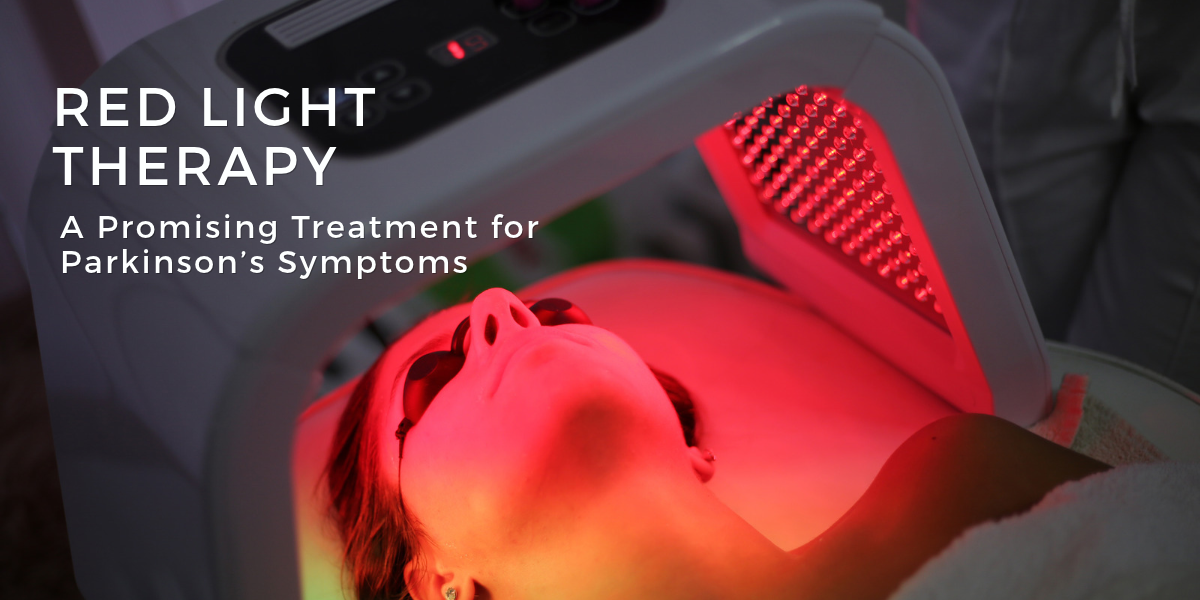
Could a beam of light slow Parkinson's disease? French researchers say early results from a small clinical trial look "quite promising," while stressing they are "very preliminary." In the trial, light was aimed at struggling brain cells deep in the brain, and in three of seven early-stage patients, symptoms appeared to worsen more slowly. Here is what the researchers found, what they have not shown yet, and what it means for you today. Keep reading to learn more.
What Is Light Stimulation for Parkinson's?
Scientists affiliated with Grenoble University Hospital are testing a technique that directs light beams to neurons deep inside the brain. The light targets mitochondria, the parts of a cell that produce energy, with the goal of improving how damaged cells function.

The focus is dopamine-producing neurons, which Parkinson's damages first. According to neurosurgeon Dr. Stephan Chabardès, about half of these cells may be damaged by the time symptoms appear, and patients lose an average of 10 percent of their dopamine receptors each year. The aim of the trial is to slow that decline.

In other words, the idea is neuroprotection: supporting the cells that remain, rather than replacing lost dopamine. Reaching deep brain regions required a custom, compact device that combines electronics, photonics and nanotechnology, which let the team shrink the system without losing performance.
Picture
What Did the Early Results Show?
So far, the technology has been used in seven people with early-stage Parkinson's. Preliminary results suggest symptoms worsened more slowly in three of them, especially when stimulation continued. Dr. Chabardès said the light appeared to help restore some brain function in those three cases.

"It's very preliminary, but what we are seeing is quite promising," he said. The team will launch a larger clinical trial only if it finds a tangible and stable effect.

What the Results Do Not Tell Us
Responsible reading means knowing the limits. This is a very small study, and the report describes results in three of seven patients. The findings were shared in a radio interview, and the news report does not cite a peer-reviewed paper. The registered trial (NCT04261569) is an early-stage study, and light therapy is not an approved Parkinson's treatment. It is not something you can request from your doctor today.

What Does This Mean for People Living With Parkinson's Now?
Parkinson's affects about 10 million people worldwide, and that number is expected to double by 2050, according to Parkinson's Europe. There is no cure, which makes research like this worth following. But the strategies with the strongest evidence for living well today are already available: regular exercise, speech and swallowing practice, medication review with a movement disorder specialist, and strong social support. Interested in clinical trials? Ask your neurologist, and check the PASWFL page on participating in PD studies.
Picture
Questions People Ask​
Can light therapy slow Parkinson's disease?
It is being tested. In a small French trial, symptoms appeared to worsen more slowly in three of seven early-stage patients, but the results are preliminary and unproven.
How does light stimulation work in the brain?
Light is aimed at the mitochondria, the energy producers inside neurons, to improve the function of damaged dopamine-producing cells.
Is light therapy available for Parkinson's now?
No. It is only available through clinical trials.
Should I change my treatment because of this study?
No. Talk with your neurologist before making any change. Continue your medications, exercise and support routines.
​The Bottom Line
Light stimulation is an encouraging idea, not a treatment. It is worth watching, and worth asking your care team about, but the best choice today is to keep moving, keep learning and stay connected to people who understand. Researchers will expand the work only if the effect holds up, so check back as new results are published.
Picture
​Why Support Matters
A diagnosis of any form of Parkinson's can feel overwhelming. But with the right support and resources, individuals can maintain independence, quality of life, and emotional well-being.
For resources, referrals, and support in navigating Parkinson's and related conditions, contact the Parkinson's Association of Southwest Florida at www.paswfl.org or call 239-417-3465.

For 30 years, PASWFL has provided free, high-quality services and programs to individuals and families touched by Parkinson's disease in Southwest Florida. Their goal is simple: help people live well with PD, regardless of where they are in their journey.

Each week, PASWFL offers more than 25 free programs and support groups, including:
·       Wellness and fitness classes
·       Speech Exercise classes
·       Educational seminars
·       Support for care partners
·       Support groups


There are no fees to become a member, and PASWFL welcomes anyone touched by PD.
​
Take the First Step Toward Living WellIf you suspect early Parkinson's or have been recently diagnosed, you don't have to face it alone.

👉 Click here to sign up for the PASWFL newsletter 
👉 Click here to become a member…it's free and confidential 
To learn more, visit www.paswfl.org and discover the power of support, education, and community.

You don't have to live in SWFL to benefit from membership to the PASWFL. Membership is free and open to anyone with PD, their care partners or family members.
0 Comments

Your comment will be posted after it is approved.


Leave a Reply.

    Author

    Write something about yourself. No need to be fancy, just an overview.

    Archives

    October 2026
    September 2026
    August 2026
    July 2026
    June 2026
    May 2026
    April 2026
    March 2026
    February 2026
    January 2026
    December 2025
    November 2025
    October 2025
    September 2025
    August 2025
    July 2025
    June 2025
    May 2025
    April 2025
    March 2025
    November 2024
    September 2024
    August 2022
    August 2021
    January 2021
    July 2020
    June 2020
    May 2020

    Categories

    All
    How-to-diagnose-parkinsons-disease
    How-to-manage-parkinsons-disease
    What Is Parkinson's Disease

    RSS Feed

Parkinson's Association of Southwest Florida 
2575 Northbrooke Plaza Drive
Suite#301, Naples, FL 34119
239-417-3465

[email protected]
​

Hours of Operation:
Monday - Thursday 9 am - 5 pm
Friday 9 am - 3 pm
Has the Parkinson's Association of Southwest Florida impacted your life? Don't forget to leave us a review on Facebook or on Google. 
Terms of Use and Privacy Policy

Become a Member

Picture
Text size