|
|
|
|
|
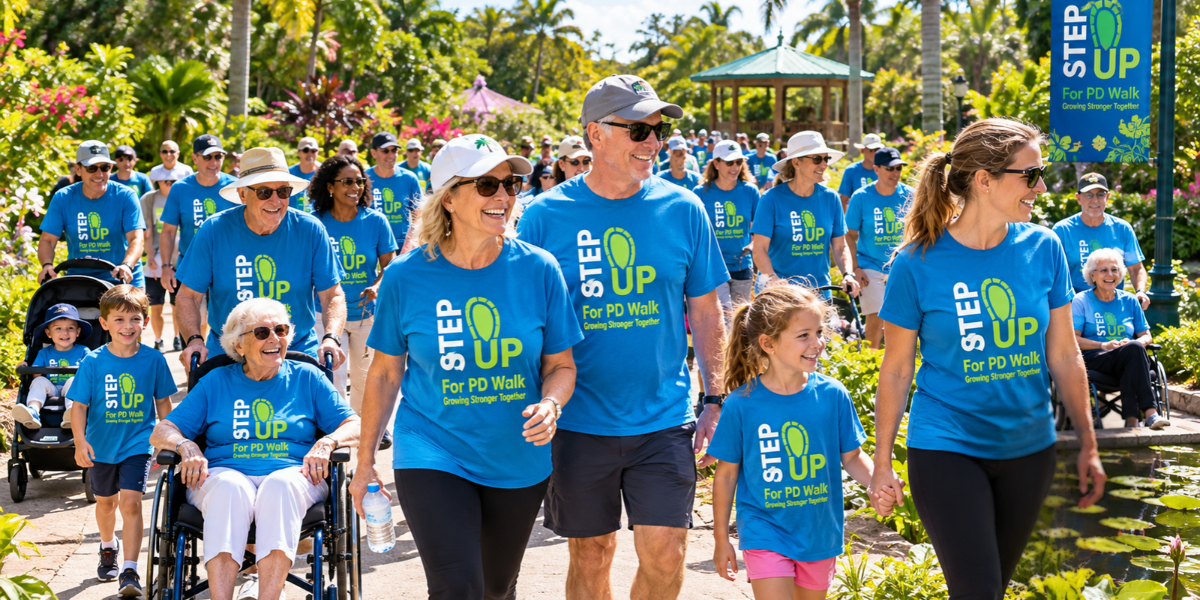
Want a meaningful way to spend a Saturday morning in Naples? Join the 30th Annual Step Up for PD Walk on February 13, 2027, at Naples Botanical Garden. Every step helps fund free exercise classes, support groups and education for Southwest Florida families living with Parkinson's disease. Early-bird pricing ends January 6.
Wondering what the day looks like, what it costs, and how to help if you can't walk? We cover all of that below, including the easiest way to make your registration count twice. Keep reading to learn more.
0 Comments
Looking for the right products, therapies and local professionals to help you live well with Parkinson's disease? Mingle & Share: A PD Resource Fair brings them together on Tuesday, November 17, 2026, at the Hilton Naples. Whether you are newly diagnosed or supporting someone you love, this is a chance to ask questions and find tools for wellness, mobility and quality of life. Keep reading to learn more.
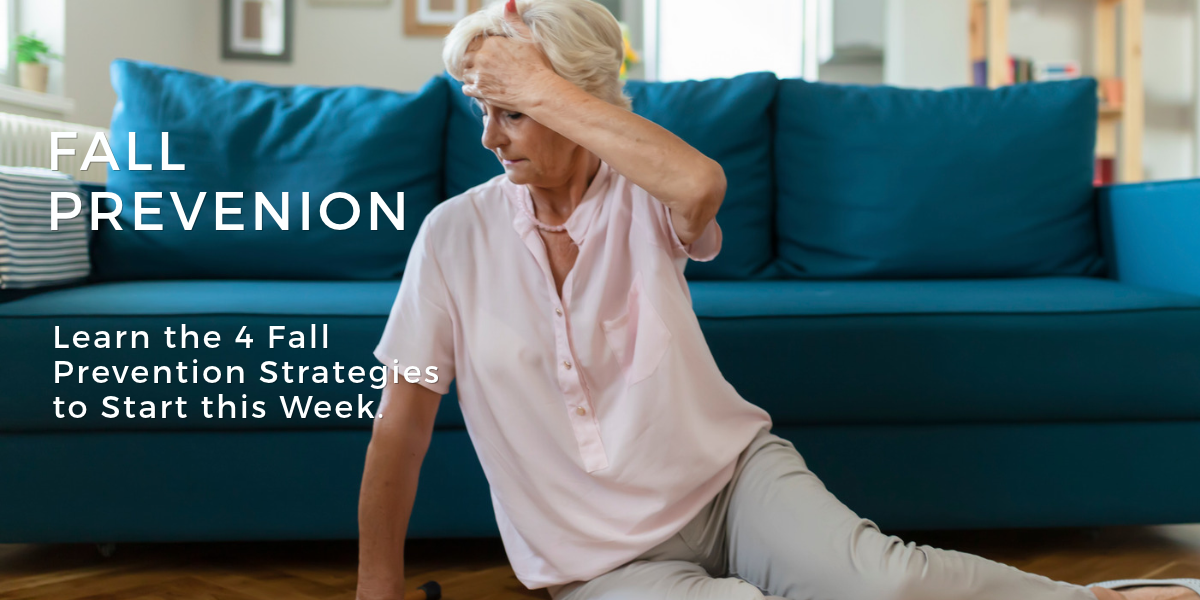
Not sure what to ask or who to meet? Stay with us. Below you will find what to expect, what is included, and a simple checklist of questions to bring so you can make the most of your morning. Falls are one of the biggest worries for people living with Parkinson's disease and their care partners. The good news is that many falls have identifiable causes, and many of those causes can be trained, practiced and planned for. In a recent PD Talk, physical therapist Dr. Cole Ryan shared practical strategies for staying safe on your feet. Keep reading to learn more.
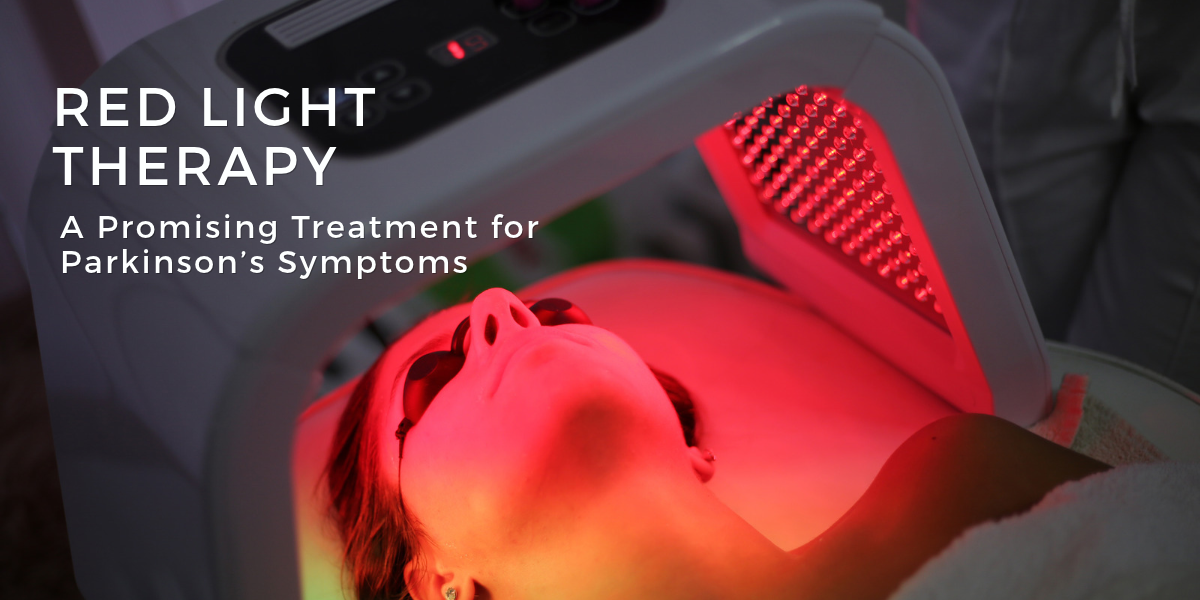
Want the tricks that actually get people unstuck in doorways? Dr. Ryan shared one cue that involves a motorcycle, a simple "reset" for freezing, and a chair-standing setup anyone can try today. Stay with us to the end, where we show you how to watch the full talk and find free local support. Could a beam of light slow Parkinson's disease? French researchers say early results from a small clinical trial look "quite promising," while stressing they are "very preliminary." In the trial, light was aimed at struggling brain cells deep in the brain, and in three of seven early-stage patients, symptoms appeared to worsen more slowly. Here is what the researchers found, what they have not shown yet, and what it means for you today. Keep reading to learn more.
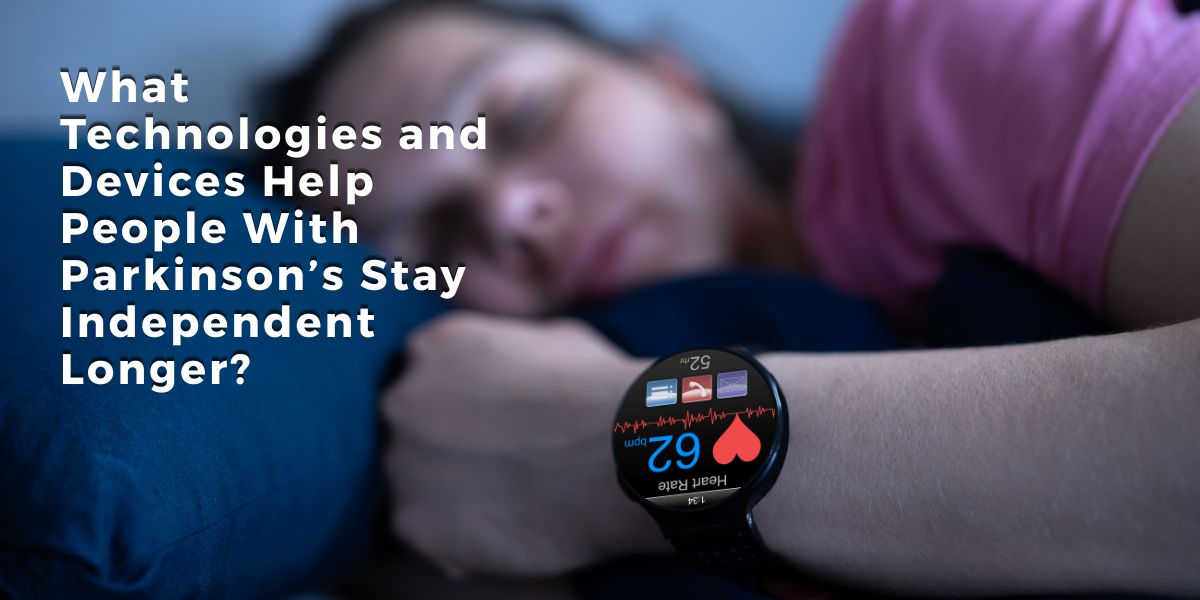
Living with Parkinson’s disease doesn’t mean giving up independence. From smart-home technology and wearable devices to simple tools that make everyday tasks easier, the right solutions can help people with Parkinson’s maintain safety, confidence, and quality of life for longer.
What if a few thoughtful changes at home could make getting dressed, preparing meals, moving around, and staying connected feel easier? Discover practical technologies and assistive devices that can help people with Parkinson’s live more independently. Young-onset Parkinson’s disease (YOPD) is Parkinson’s disease diagnosed before age 50. Although Parkinson’s is often associated with older adults, it can affect people in their 20s, 30s, and 40s, too. Recognizing the symptoms and understanding the available resources can help individuals and families navigate a diagnosis with greater confidence.
What if symptoms that seem like stress, fatigue, or an ordinary movement problem are actually signs of something more? Understanding young-onset Parkinson’s disease is an important first step toward getting answers, accessing appropriate care, and maintaining quality of life. Parkinson’s disease affects millions of people worldwide, yet its exact cause remains a mystery. Scientists have identified important clues, including changes in brain cells, genetic variations and environmental exposures, but no single factor explains every case.
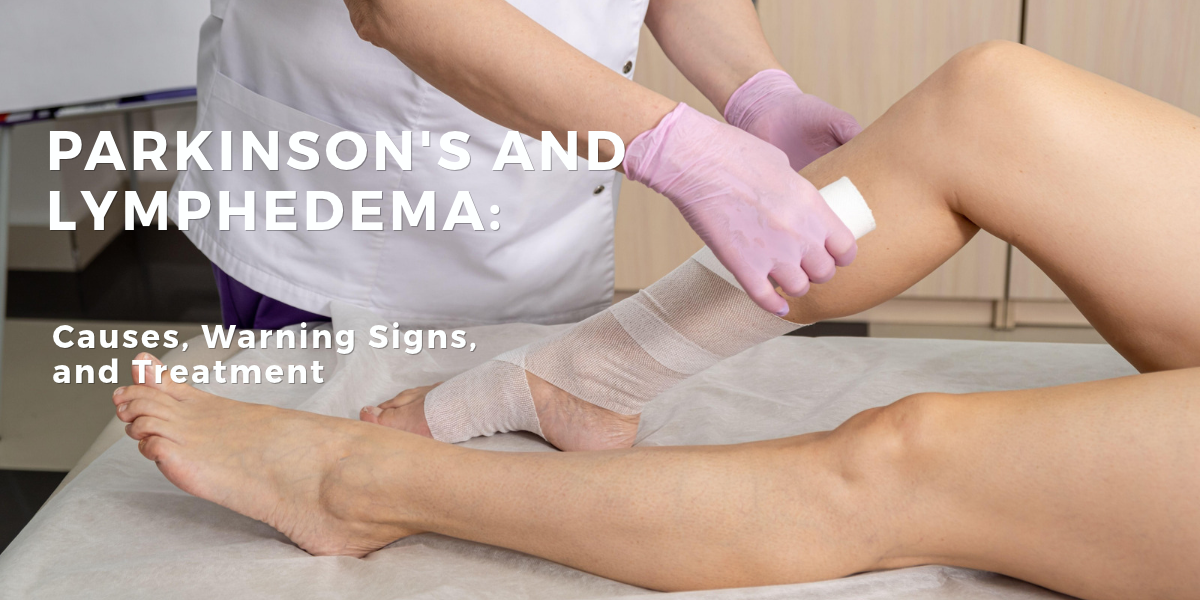
Could Parkinson’s begin years before symptoms appear? Researchers are investigating how several biological and environmental influences may interact over time—and why some people develop Parkinson’s while others do not. Do your legs feel heavy by late afternoon, or do your shoes fit tighter than they did this morning? If you live with Parkinson's disease (PD), ankle swelling may be more than a nuisance. In a recent PASWFL PD Talk, occupational therapist Lexi Lundquist explained how slower movement and swelling can feed each other. Keep reading to learn the warning signs, the simple movements that help, and when to call a professional.
Here's the part most people miss: your calf muscle works like a "second heart," and one small ankle movement you can do right now from your chair helps power it. Keep reading to find out how. Medicare open enrollment runs October 15 to December 7, and plan changes can affect the prescriptions, specialist visits, and therapy that many people with Parkinson's disease (PD) rely on. In a recent PASWFL PD Talk, Halley Devlin, a SHINE volunteer Medicare counselor, walked through Medicare Parts A, B, C, and D and shared what is known about 2027. Keep reading for the key points, the changes to watch, and where to get free help.
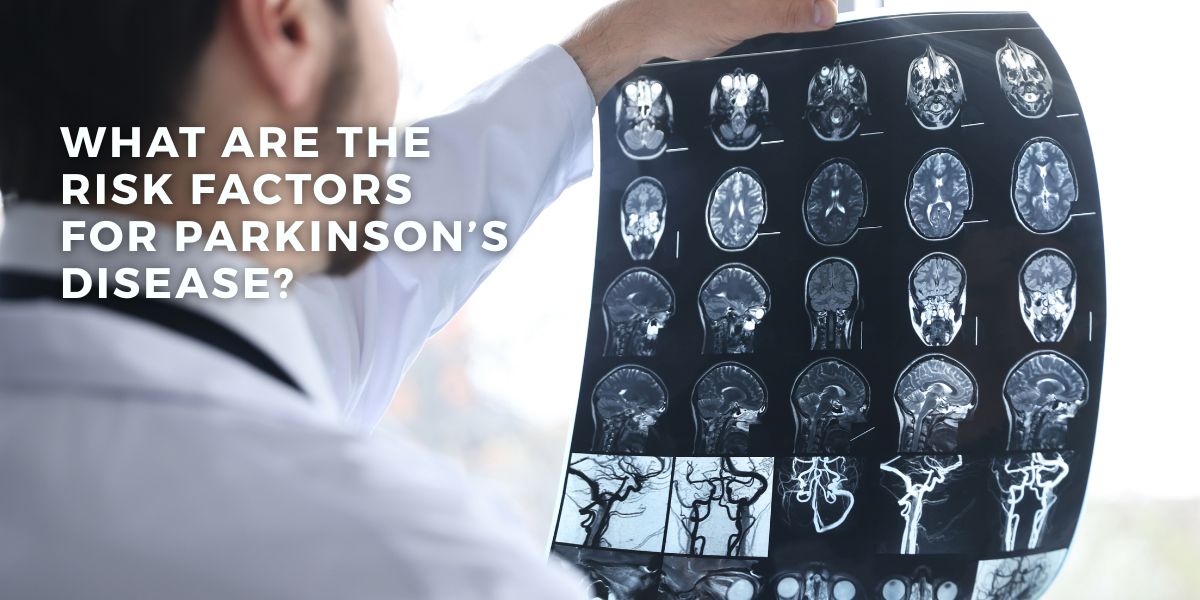
Here's the part that surprises people: two people can buy the same Medigap plan and pay more than $100 a month apart. Keep reading to learn why, and how to avoid overpaying. Parkinson’s disease can happen to anyone, but some people have a higher risk than others. Understanding the known risk factors can help you learn more about Parkinson’s without assuming that any single factor caused the disease.
The most important thing to remember? Parkinson’s is rarely explained by one cause. Instead, researchers believe that genetics, aging and environmental exposures can interact in complicated ways—sometimes over many years before symptoms become noticeable. Nutrition can play an important role in living well with Parkinson’s disease. The right foods can support energy, muscle and bone health, digestion, hydration, and overall well-being. Nutrition can also affect how some Parkinson’s medications work.
Could what you put on your plate actually influence how you feel, how well your medication works, and possibly even the course of Parkinson’s? The science is still evolving—but there are several nutrition strategies people with Parkinson’s can use right now. You've heard "exercise is medicine" a hundred times. But does it really make a difference you can feel in daily life? One of the largest real-world studies of Parkinson's says yes, and the finding about when to start may surprise you.
Does regular exercise improve quality of life in Parkinson's? Yes. A two-year study of people with Parkinson's found that those who exercised regularly, at least 2.5 hours per week, had better quality of life and mobility outcomes than people who did not. The benefit was small but significant, and it also appeared in people who started exercising after the study began. Keep reading to learn more: Think yoga isn't for you because you can't get down on a mat? Good news: you don't have to leave your chair.
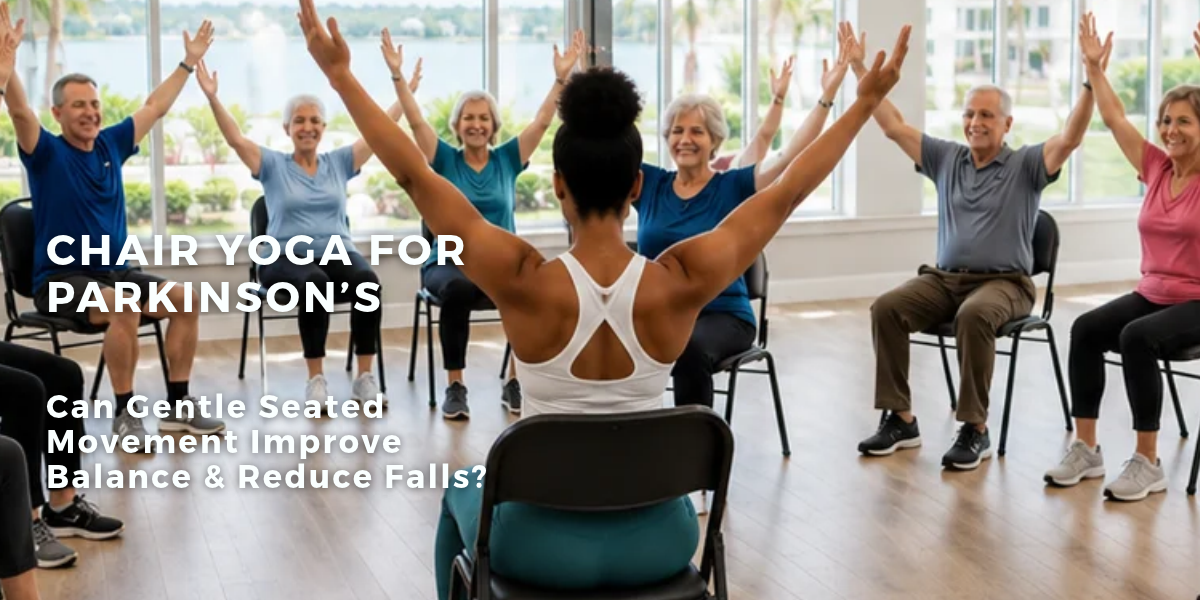
Researchers have been testing yoga adapted for people with Parkinson's, including chair-supported versions, and early results are encouraging. Here's what they found, and why it matters if stiffness, balance, or fear of falling is holding you back. Is chair yoga good for Parkinson's disease? Research suggests it may be. In a randomized pilot study, people with Parkinson's who took part in an 8-week, twice-weekly yoga program showed improvements in motor function, postural stability, and gait, along with a reduced risk of falls. The studies are small, so more research is needed. Keep reading to learn more: Everyone tells you to exercise with Parkinson's. But which kind? With so many options, it's easy to wonder whether you're picking the right one.
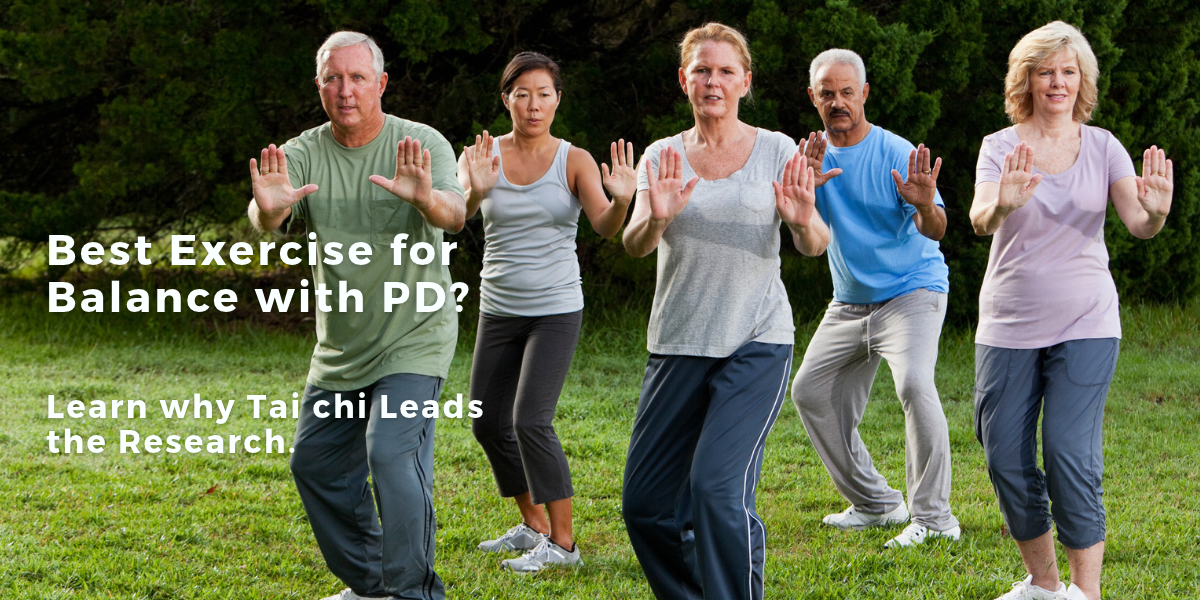
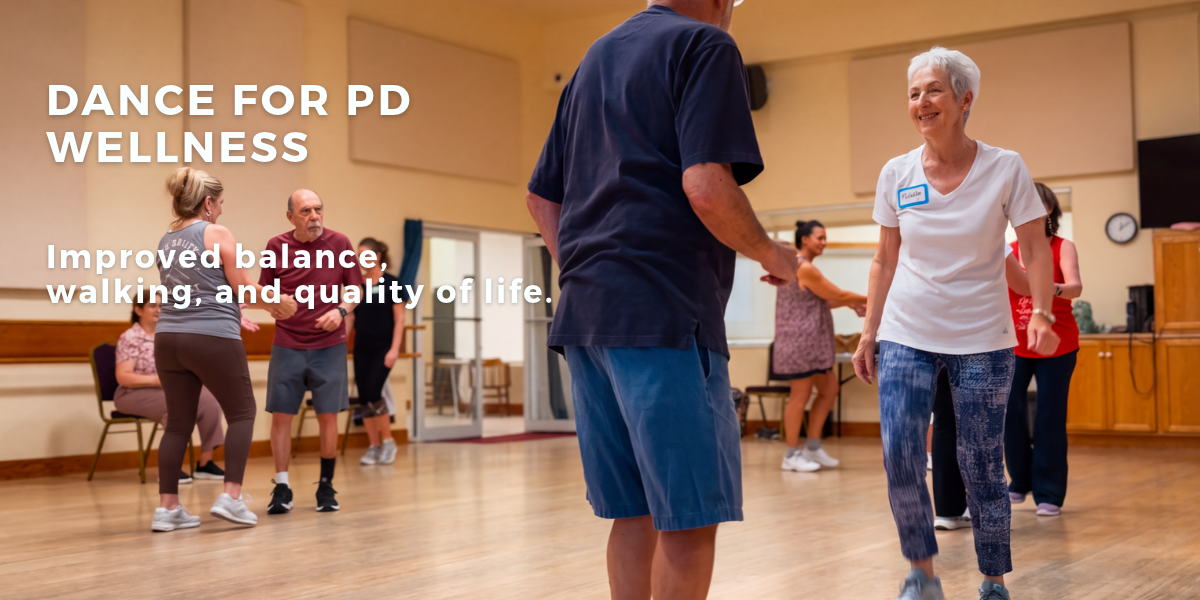
Here's where the research gets interesting: when scientists compared tai chi, yoga, and resistance training head-to-head, one slow, graceful practice stood out. What is the best exercise for Parkinson's balance? A 2024 systematic review found tai chi, yoga, and resistance training all improved balance in people with Parkinson's, but tai chi had the most significant positive impact on balance and gait. A landmark clinical trial also found tai chi reduced falls and improved postural stability more than other exercise types tested. Keep reading to learn more: Dance and Parkinson's Disease: What Research Says About Balance, Walking & Quality of Life10/4/2026 What if one of the best things for your balance felt less like a workout and more like a night out? For people living with Parkinson's disease, dance is getting serious scientific attention.
Here's the surprise: it's not just fun. A published research review from Washington University School of Medicine suggests dance may be a genuine therapeutic option for PD — and the reasons why are fascinating. Can dance help Parkinson's disease? Research suggests dance may be an effective alternative to traditional exercise for people with Parkinson's disease, helping with balance, walking, and quality of life. A review by Dr. Gammon Earhart in the European Journal of Physical and Rehabilitation Medicine found early benefits while noting that more research is needed. Keep reading to learn more: |
AuthorWrite something about yourself. No need to be fancy, just an overview. Archives
November 2026
Categories
All
|
|
|