Parkinson's Association of SWFL
  • Home
    • Hurricane Resources
  • Resources for Living Well with PD
    • Start Here What You Need to Know about PD >
      • Parkinson Disease in Florida
      • FLORIDA PD REGISTRY
      • 10 things to know about PD
    • Living Well with PD: Start Today
    • PD 101 Free ebook
    • Your Questions About PD Answered in our Blog
    • Community Resources >
      • Community Support Initiatives
      • Movement Disorder Specialists and Neurologists
      • Additional Classes in SWFL for PD
      • Additional SWFL resources for PD
    • Articles & Research on PD >
      • BRAIN PROTIENS MARKERS FOR PARKINSONS DETECTION
      • GUT MICROBIOME EARLY PREDICToR OF PD
      • NEW DBS SETTINGS MAY IMPROVE SPEECH IN PD
      • BRAIN PATTERNS LINKED TO LEVODOPA INDUCED DYSKINESIA
      • BRAIN MODELING TO PREDICT PD PROGRESSION
      • WEARABLE DEVICES FOR TRACKIN PD PROGRESSION
      • BRAIN ACTIVITY PREDICTOR OF PD PROGRESSION
      • DEEP BRAIN STIMULATION PD
      • UNDERSTANDING GAIT IN PD
      • MUSIC MAY IMPROVE GAIT IN PD
      • GOLF COURSE PROXIMITY AND INCREASED RISK FOR PD
      • Social Support Improves PD Symptoms
      • Exercise Improves PD Outcomes
      • Genetic Role in PD
      • Advances in PD
      • Genetic Link to PD
      • Exercise and improved executive Functioning with PD
      • Exercise and Fall Prevention with PD
      • Intimacy and PD
      • spinal cord neuroprosthesis and PD
      • Advance Care Planning and PD
      • Cognitive Impairment Treatment PD
      • Mercury and PD
      • Cognitive Remediation Therapy
      • COVID Vulnerability and PD
      • Postural Instability Severity PD
      • Early Trial for Treatment Shows Promise
      • Biomarker Found
      • Therapeutic Benefits of Dance
      • Ultrasound Therapy for PD
      • Improvisational Theatre for PD
      • PD Detection using AI and Breathing Patterns
      • ALTERNATIVE MOVEMENT EXERCISE
      • NON INVASIVE TREATMENT R-TMS
      • Group Therapy
      • Multidisciplinary Approach to PD
      • VIBRATING GLOVE SHOWES PROMISE
      • Prevalence of PD Underestimated
      • Differences in Men and Women with PD
      • Intermittent Fasting for PD
      • Meditation and Complementary Therapy for PD
      • Cognitive Impairment and PD
      • Aerobic Exercise Alters Brain Function in PD
      • A-Synuclein Biomarker
      • Mediterranean Diet for PD
      • Regular Exercise Improve PD Quality of Life
    • Videos of PD Talks
    • PD Assistive Items
    • Participate in a PD Study or Trial
  • Members Only
  • Programs & Events
    • Sample Calendar of Activities
    • Movement Classes
    • Rhythm In Motion Class
    • Support Groups
    • Speech Exercise
    • Wellness Classes
    • Education Programs
    • Caregiver Programs
    • EARLY ONSET PD
    • Lunch Bunch
    • Events >
      • Bingo for Bags and Baubles >
        • Bingo for Bags and Baubles Sponsorships
        • Bingo for Bags and Baubles Underwriting
        • Bingo for Bags and Baubles Silent Auction
      • Mingle & Share a PD Resource Fair
    • Step Up for PD Walk >
      • REGISTER TO WALK - INDIVIDUALS & TEAMS
      • FUNDRAISE FOR THE WALK
      • SUPPORT A WALKER
    • Education Symposium
  • About Us
    • Our Mission
    • Board of Directors
    • Staff
    • News/Press >
      • 2023-24 Board Announced
  • Become a Member
    • Complete a Participation Waiver
  • CONNECT WITH US
    • PD 101 Free Sign Up
    • ENEWS SIGN UP
    • Contact us
  • SUPPORTING OUR MISSION
    • ANNUAL FUND
    • IN HONOR
    • IN MEMORY
    • Planned Giving

Parkinson's Association 
SWFL Blog

All blog posts are for general information only and not medical advice. Always consult your doctor about your health and treatment decisions.

What Causes Parkinson’s Disease? Understanding the Brain, Genetics and Environment

10/15/2026

0 Comments

 
Picture
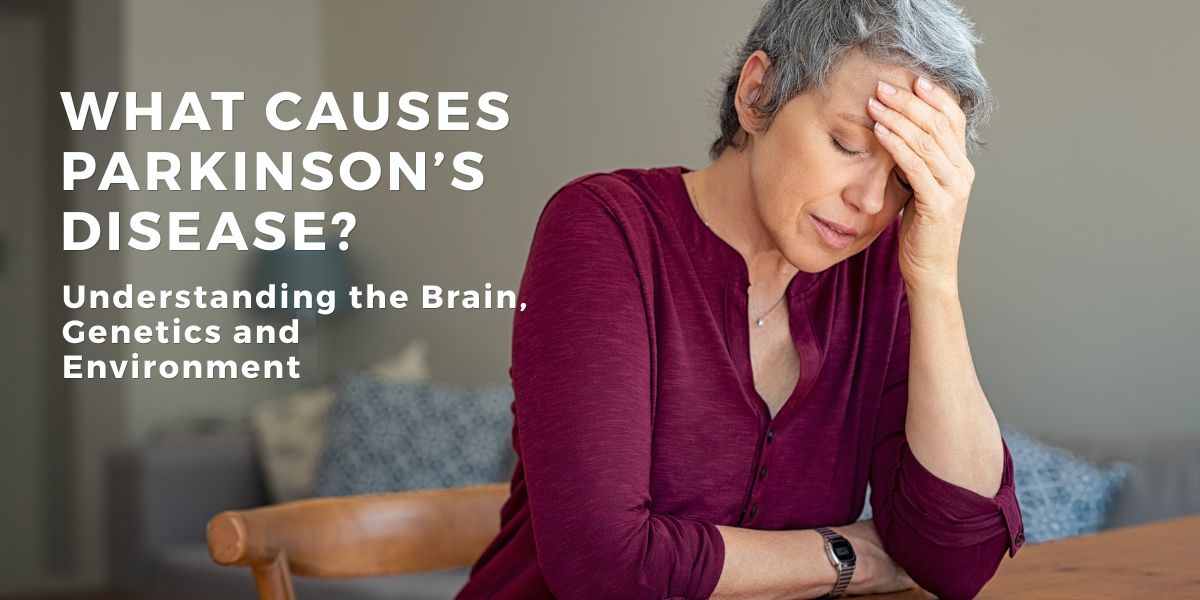
Parkinson’s disease affects millions of people worldwide, yet its exact cause remains a mystery. Scientists have identified important clues, including changes in brain cells, genetic variations and environmental exposures, but no single factor explains every case.
Could Parkinson’s begin years before symptoms appear? Researchers are investigating how several biological and environmental influences may interact over time—and why some people develop Parkinson’s while others do not.
Picture
What Happens in the Brain When Parkinson’s Develops?
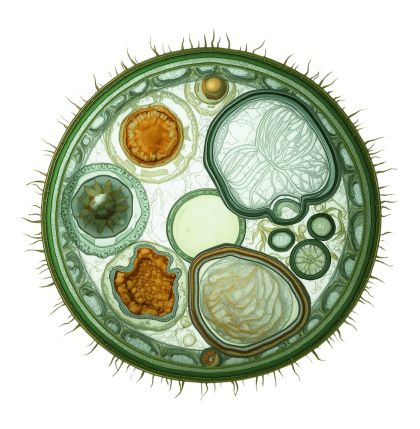
Parkinson’s disease affects nerve cells involved in controlling movement and other important body functions. In particular, dopamine-producing neurons in a brain region called the substantia nigra become damaged and are lost.
Dopamine is a chemical messenger that helps the brain coordinate smooth, controlled movements. As dopamine levels decrease, a person may develop symptoms such as tremors, muscle stiffness, slowed movement and balance difficulties.
Parkinson’s can also affect sleep, mood, digestion, blood pressure and thinking. These changes reflect the involvement of additional brain and nervous system pathways—not just the systems responsible for movement. 
​
Is Parkinson’s Disease Genetic?
Genetics can contribute to Parkinson’s, but most cases are not clearly inherited.
Researchers have identified several genes associated with Parkinson’s, including LRRK2, GBA1, SNCA and PRKN. Some genetic variants directly cause rare inherited forms of the disease, while others increase susceptibility without guaranteeing that someone will develop Parkinson’s.
A family history may increase a person’s risk, but having a parent or sibling with Parkinson’s does not mean the disease is inevitable. Most people with Parkinson’s have no known genetic variant that explains their condition.
For families concerned about inherited risk, a neurologist or genetic counselor can discuss whether genetic testing may be useful.
Picture
Can Environmental Factors Cause Parkinson’s?
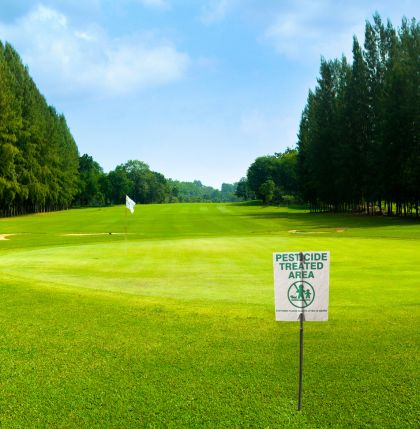
Environmental exposures are another important area of Parkinson’s research. Studies have associated exposure to certain pesticides and herbicides with an increased risk of developing Parkinson’s. Researchers are also investigating solvents, metals, pollutants and other chemicals.
Traumatic brain injury has been associated with increased risk as well, although researchers continue to study the nature of this relationship.
These associations do not prove that a particular exposure caused Parkinson’s in an individual. Many people who experience an exposure never develop the disease, and many people with Parkinson’s have no identifiable exposure history. Scientists are working to understand how environmental factors may interact with genetic susceptibility and other biological processes. 

Why Do Some People Develop Parkinson’s and Others Don’t?
There is no simple answer. Researchers believe Parkinson’s may develop when several influences combine over time, affecting how nerve cells function, produce energy, manage cellular waste and respond to damage.
One area of investigation involves alpha-synuclein, a protein that can accumulate abnormally in the brain cells of people with Parkinson’s. These deposits are associated with the disease, but researchers are still working to understand exactly how they contribute to the damage and symptoms.
Age is also an important risk factor, although Parkinson’s can occur in younger adults. The timing and combination of contributing factors may differ from one person to another.
​
Can Parkinson’s Disease Be Prevented?
Currently, there is no proven way to prevent Parkinson’s disease or guarantee that someone will not develop it. Researchers are studying genetics, environmental exposures and biological changes in hopes of identifying ways to reduce risk or delay disease onset.
Regular physical activity, nutritious eating, adequate sleep and attention to overall health can support well-being, but none should be presented as a guaranteed way to prevent Parkinson’s.
It is also important to avoid blaming individuals or families. Developing Parkinson’s is not evidence that someone made the wrong lifestyle choices or failed to protect their health.
Picture
Questions People Ask About Parkinson’s Disease
What is the main cause of Parkinson’s disease?
There is no single known cause. Most cases are believed to involve a combination of genetic, environmental and other biological factors.
Is Parkinson’s disease hereditary?
Most cases are not clearly inherited. Certain genetic variants can cause or increase the likelihood of Parkinson’s, but carrying a risk-associated variant does not always lead to disease.
Does dopamine deficiency cause Parkinson’s?
The loss of dopamine-producing neurons is central to Parkinson’s symptoms, but reduced dopamine is part of the disease process rather than a complete explanation of what initially causes the disease.
Can stress cause Parkinson’s disease?
Stress is not established as a direct cause of Parkinson’s. It can, however, affect well-being and may make existing symptoms more noticeable or difficult to manage.
Do pesticides cause Parkinson’s?
Certain pesticide and herbicide exposures have been associated with increased risk. Researchers continue to investigate these relationships, and exposure does not mean someone will inevitably develop Parkinson’s.
​
Conclusion
Although scientists have not identified one definitive cause of Parkinson’s disease, research continues to reveal how brain-cell changes, genetics and environmental influences may work together. Understanding these factors brings researchers closer to identifying better treatments and, potentially, ways to prevent or delay the disease.
If you or someone you love has Parkinson’s, remember that learning about its causes is only one part of the journey. Access to reliable information, appropriate medical care and a supportive community can make a meaningful difference in living well with the condition.
Picture
Why Support Matters
A diagnosis of any form of Parkinson’s can feel overwhelming. But with the right support and resources, individuals can maintain independence, quality of life, and emotional well-being.
For resources, referrals, and support in navigating Parkinson’s and related conditions, contact the Parkinson’s Association of Southwest Florida at www.paswfl.org or call 239-417-3465.
For over 25 years, PASWFL has provided free, high-quality services and programs to individuals and families touched by Parkinson’s disease in Southwest Florida. Their goal is simple: help people live well with PD, regardless of where they are in their journey.
Each week, PASWFL offers more than 25 free programs and support groups, including:
  • Wellness and fitness classes
  • Speech Exercise classes
  • Educational seminars
  • Support for care partners
  • Support groups
There are no fees to become a member, and PASWFL welcomes anyone touched by PD.

Take the First Step Toward Living Well
If you suspect early Parkinson’s or have been recently diagnosed, you don’t have to face it alone.
👉 Click here to sign up for the PASWFL newsletter:
https://parkinsonassociationswfl.org/signup-enews.html

👉 Click here to become a member…it’s free and confidential:
https://parkinsonassociationswfl.org/signup.html
To learn more, visit www.paswfl.org and discover the power of support, education, and community.
0 Comments

Your comment will be posted after it is approved.


Leave a Reply.

    Author

    Write something about yourself. No need to be fancy, just an overview.

    Archives

    October 2026
    September 2026
    August 2026
    July 2026
    June 2026
    May 2026
    April 2026
    March 2026
    February 2026
    January 2026
    December 2025
    November 2025
    October 2025
    September 2025
    August 2025
    July 2025
    June 2025
    May 2025
    April 2025
    March 2025
    November 2024
    September 2024
    August 2022
    August 2021
    January 2021
    July 2020
    June 2020
    May 2020

    Categories

    All
    How-to-diagnose-parkinsons-disease
    How-to-manage-parkinsons-disease
    What Is Parkinson's Disease

    RSS Feed

Parkinson's Association of Southwest Florida 
2575 Northbrooke Plaza Drive
Suite#301, Naples, FL 34119
239-417-3465

[email protected]
​

Hours of Operation:
Monday - Thursday 9 am - 5 pm
Friday 9 am - 3 pm
Has the Parkinson's Association of Southwest Florida impacted your life? Don't forget to leave us a review on Facebook or on Google. 
Terms of Use and Privacy Policy

Become a Member

Picture
Text size