Parkinson's Association of SWFL
  • Home
    • Hurricane Resources
  • Resources for Living Well with PD
    • Start Here What You Need to Know about PD >
      • Parkinson Disease in Florida
      • FLORIDA PD REGISTRY
      • 10 things to know about PD
    • Living Well with PD: Start Today
    • PD 101 Free ebook
    • Your Questions About PD Answered in our Blog
    • Community Resources >
      • Community Support Initiatives
      • Movement Disorder Specialists and Neurologists
      • Additional Classes in SWFL for PD
      • Additional SWFL resources for PD
    • Articles & Research on PD >
      • BRAIN PROTIENS MARKERS FOR PARKINSONS DETECTION
      • GUT MICROBIOME EARLY PREDICToR OF PD
      • NEW DBS SETTINGS MAY IMPROVE SPEECH IN PD
      • BRAIN PATTERNS LINKED TO LEVODOPA INDUCED DYSKINESIA
      • BRAIN MODELING TO PREDICT PD PROGRESSION
      • WEARABLE DEVICES FOR TRACKIN PD PROGRESSION
      • BRAIN ACTIVITY PREDICTOR OF PD PROGRESSION
      • DEEP BRAIN STIMULATION PD
      • UNDERSTANDING GAIT IN PD
      • MUSIC MAY IMPROVE GAIT IN PD
      • GOLF COURSE PROXIMITY AND INCREASED RISK FOR PD
      • Social Support Improves PD Symptoms
      • Exercise Improves PD Outcomes
      • Genetic Role in PD
      • Advances in PD
      • Genetic Link to PD
      • Exercise and improved executive Functioning with PD
      • Exercise and Fall Prevention with PD
      • Intimacy and PD
      • spinal cord neuroprosthesis and PD
      • Advance Care Planning and PD
      • Cognitive Impairment Treatment PD
      • Mercury and PD
      • Cognitive Remediation Therapy
      • COVID Vulnerability and PD
      • Postural Instability Severity PD
      • Early Trial for Treatment Shows Promise
      • Biomarker Found
      • Therapeutic Benefits of Dance
      • Ultrasound Therapy for PD
      • Improvisational Theatre for PD
      • PD Detection using AI and Breathing Patterns
      • ALTERNATIVE MOVEMENT EXERCISE
      • NON INVASIVE TREATMENT R-TMS
      • Group Therapy
      • Multidisciplinary Approach to PD
      • VIBRATING GLOVE SHOWES PROMISE
      • Prevalence of PD Underestimated
      • Differences in Men and Women with PD
      • Intermittent Fasting for PD
      • Meditation and Complementary Therapy for PD
      • Cognitive Impairment and PD
      • Aerobic Exercise Alters Brain Function in PD
      • A-Synuclein Biomarker
      • Mediterranean Diet for PD
      • Regular Exercise Improve PD Quality of Life
    • Videos of PD Talks
    • PD Assistive Items
    • Participate in a PD Study or Trial
  • Members Only
  • Programs & Events
    • Sample Calendar of Activities
    • Movement Classes
    • Rhythm In Motion Class
    • Support Groups
    • Speech Exercise
    • Wellness Classes
    • Education Programs
    • Caregiver Programs
    • EARLY ONSET PD
    • Lunch Bunch
    • Events >
      • Bingo for Bags and Baubles >
        • Bingo for Bags and Baubles Sponsorships
        • Bingo for Bags and Baubles Underwriting
      • Mingle & Share a PD Resource Fair
      • Step Up for PD Walk >
        • REGISTER TO WALK - INDIVIDUALS & TEAMS
      • Education Symposium
  • About Us
    • Our Mission
    • Board of Directors
    • Staff
    • News/Press >
      • 2023-24 Board Announced
  • Become a Member
    • Complete a Participation Waiver
  • CONNECT WITH US
    • PD 101 Free Sign Up
    • ENEWS SIGN UP
    • Contact us
  • SUPPORTING OUR MISSION
    • ANNUAL FUND
    • IN HONOR
    • IN MEMORY
    • Planned Giving
  • Home
    • Hurricane Resources
  • Resources for Living Well with PD
    • Start Here What You Need to Know about PD >
      • Parkinson Disease in Florida
      • FLORIDA PD REGISTRY
      • 10 things to know about PD
    • Living Well with PD: Start Today
    • PD 101 Free ebook
    • Your Questions About PD Answered in our Blog
    • Community Resources >
      • Community Support Initiatives
      • Movement Disorder Specialists and Neurologists
      • Additional Classes in SWFL for PD
      • Additional SWFL resources for PD
    • Articles & Research on PD >
      • BRAIN PROTIENS MARKERS FOR PARKINSONS DETECTION
      • GUT MICROBIOME EARLY PREDICToR OF PD
      • NEW DBS SETTINGS MAY IMPROVE SPEECH IN PD
      • BRAIN PATTERNS LINKED TO LEVODOPA INDUCED DYSKINESIA
      • BRAIN MODELING TO PREDICT PD PROGRESSION
      • WEARABLE DEVICES FOR TRACKIN PD PROGRESSION
      • BRAIN ACTIVITY PREDICTOR OF PD PROGRESSION
      • DEEP BRAIN STIMULATION PD
      • UNDERSTANDING GAIT IN PD
      • MUSIC MAY IMPROVE GAIT IN PD
      • GOLF COURSE PROXIMITY AND INCREASED RISK FOR PD
      • Social Support Improves PD Symptoms
      • Exercise Improves PD Outcomes
      • Genetic Role in PD
      • Advances in PD
      • Genetic Link to PD
      • Exercise and improved executive Functioning with PD
      • Exercise and Fall Prevention with PD
      • Intimacy and PD
      • spinal cord neuroprosthesis and PD
      • Advance Care Planning and PD
      • Cognitive Impairment Treatment PD
      • Mercury and PD
      • Cognitive Remediation Therapy
      • COVID Vulnerability and PD
      • Postural Instability Severity PD
      • Early Trial for Treatment Shows Promise
      • Biomarker Found
      • Therapeutic Benefits of Dance
      • Ultrasound Therapy for PD
      • Improvisational Theatre for PD
      • PD Detection using AI and Breathing Patterns
      • ALTERNATIVE MOVEMENT EXERCISE
      • NON INVASIVE TREATMENT R-TMS
      • Group Therapy
      • Multidisciplinary Approach to PD
      • VIBRATING GLOVE SHOWES PROMISE
      • Prevalence of PD Underestimated
      • Differences in Men and Women with PD
      • Intermittent Fasting for PD
      • Meditation and Complementary Therapy for PD
      • Cognitive Impairment and PD
      • Aerobic Exercise Alters Brain Function in PD
      • A-Synuclein Biomarker
      • Mediterranean Diet for PD
      • Regular Exercise Improve PD Quality of Life
    • Videos of PD Talks
    • PD Assistive Items
    • Participate in a PD Study or Trial
  • Members Only
  • Programs & Events
    • Sample Calendar of Activities
    • Movement Classes
    • Rhythm In Motion Class
    • Support Groups
    • Speech Exercise
    • Wellness Classes
    • Education Programs
    • Caregiver Programs
    • EARLY ONSET PD
    • Lunch Bunch
    • Events >
      • Bingo for Bags and Baubles >
        • Bingo for Bags and Baubles Sponsorships
        • Bingo for Bags and Baubles Underwriting
      • Mingle & Share a PD Resource Fair
      • Step Up for PD Walk >
        • REGISTER TO WALK - INDIVIDUALS & TEAMS
      • Education Symposium
  • About Us
    • Our Mission
    • Board of Directors
    • Staff
    • News/Press >
      • 2023-24 Board Announced
  • Become a Member
    • Complete a Participation Waiver
  • CONNECT WITH US
    • PD 101 Free Sign Up
    • ENEWS SIGN UP
    • Contact us
  • SUPPORTING OUR MISSION
    • ANNUAL FUND
    • IN HONOR
    • IN MEMORY
    • Planned Giving

Parkinson's Association 
SWFL Blog

All blog posts are for general information only and not medical advice. Always consult your doctor about your health and treatment decisions.

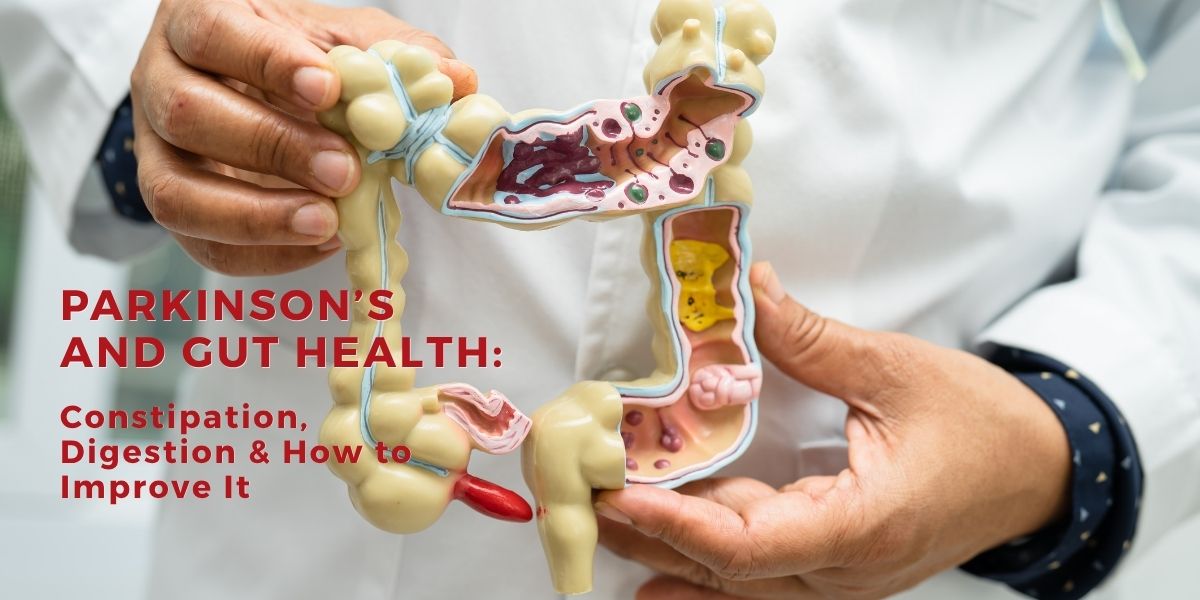
Parkinson’s and Gut Health: Constipation, Digestion & How to Improve It

8/28/2026

0 Comments

 
Picture
Parkinson’s and Gut Health: Constipation, Digestion & How to Improve It
When people think about Parkinson’s disease, they often think about tremor, stiffness, and problems with movement. But Parkinson’s can affect much more than movement. Gut and digestive problems—including constipation—are common non-motor symptoms of Parkinson’s and can significantly affect comfort and quality of life.
Could your digestive system be telling you something about Parkinson’s? Understanding the connection between Parkinson’s and gut health may give you practical ways to feel better and support your overall well-being.
​How Does Parkinson’s Affect Gut Health?
Parkinson’s can affect the autonomic nervous system, which helps regulate automatic body functions, including digestion.
The nervous system also plays an important role in coordinating the movement of the gastrointestinal tract. Parkinson’s-related changes can contribute to slower gastrointestinal motility, meaning food and waste may move through the digestive system more slowly.
This can lead to symptoms such as:
  • Constipation
  • Fewer bowel movements
  • Hard or difficult-to-pass stools
  • Bloating
  • Abdominal discomfort
  • A feeling of incomplete bowel emptying
  • Nausea or changes in appetite
Constipation may occur before the classic movement symptoms of Parkinson’s appear in some people.
​
Why Is Constipation So Common With Parkinson’s?
There isn't necessarily one single reason.
Parkinson’s itself can slow gastrointestinal movement. Reduced physical activity can also contribute to constipation.
Some medications can affect bowel function as well. In addition, people with Parkinson’s may drink less fluid or consume less fiber than they need.
Difficulty moving around, changes in routine, swallowing problems, fatigue, and other Parkinson’s symptoms can make maintaining regular bowel habits more challenging.
That means constipation should not simply be dismissed as an unrelated digestive problem.
Picture
How Can I Improve Gut Health With Parkinson’s?
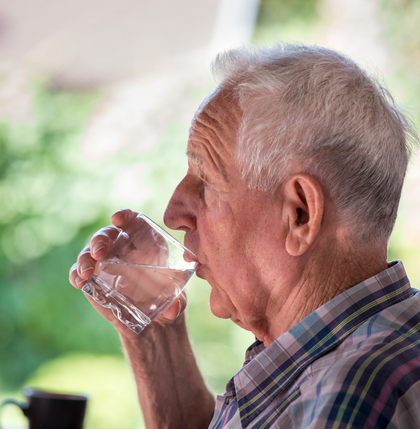
1. Drink Enough Fluids
Adequate hydration can help keep stool softer and easier to pass.
Water is generally the best choice, but individual fluid needs vary.
Some people with Parkinson’s also experience blood pressure problems, so fluid recommendations may need to be individualized. Talk with your healthcare professional if you have been told to restrict fluids or have medical conditions that affect fluid intake.
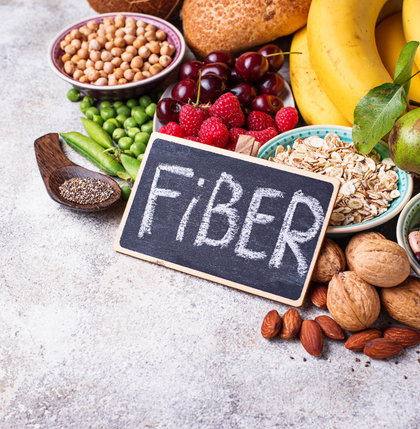
2. Increase Fiber Gradually
Fiber can help promote regular bowel movements.
Good sources include:
  • Fruits
  • Vegetables
  • Whole grains
  • Beans and lentils
  • Nuts and seeds
Increase fiber gradually rather than suddenly adding a large amount.
Important: Increasing fiber without drinking enough fluid can sometimes make constipation worse.
If constipation is persistent, ask your healthcare provider or a registered dietitian how much fiber is appropriate for you.
3. Stay Physically Active
Movement can help support bowel function.
Walking, stretching, strength training, dancing, cycling, aquatic exercise, and Parkinson’s-specific fitness programs may all be useful depending on your abilities.
Regular physical activity also provides benefits beyond digestion, including supporting strength, balance, mobility, mood, and overall health.
If you have significant balance problems or a history of falls, ask your healthcare team which activities are safest for you.
4. Establish a Regular Bathroom Routine
Try giving yourself enough time to use the bathroom without rushing.
Some people find that attempting a bowel movement at approximately the same time each day—often after a meal—helps establish a routine.
Don't routinely ignore the urge to have a bowel movement.
5. Review Your Medications
Some medications can contribute to constipation.
If constipation began or worsened after starting a medication, don't stop taking it on your own.
Instead, tell your healthcare professional. They can determine whether a medication could be contributing and whether an adjustment or different treatment is appropriate.
6. Ask About Treatments for Constipation
Lifestyle changes aren't always enough.
Depending on the cause and severity of constipation, a healthcare professional may recommend a bowel regimen or medication specifically for constipation.
Because treatment should take into account your other medications and health conditions, it's best to discuss persistent constipation with your healthcare team rather than repeatedly trying over-the-counter products without guidance.
Picture
What About Probiotics and the Gut Microbiome?
The gut microbiome—the community of microorganisms living in the digestive tract—is an area of active Parkinson’s research.
Scientists are studying possible relationships between the gut microbiome, inflammation, the nervous system, and Parkinson’s disease.
However, research into probiotics and specific microbiome treatments for Parkinson’s is still developing.
There is currently no single probiotic or “gut cleanse” proven to prevent or cure Parkinson’s.
Be cautious about products that promise to treat Parkinson’s by “healing the gut.” Talk with your healthcare professional before starting supplements, particularly if you take multiple medications.

Can Gut Health Affect Parkinson’s Medications?
Digestive problems can sometimes complicate medication management.
For example, changes in gastrointestinal movement may affect how quickly medications are absorbed. Some people also notice that their Parkinson’s symptoms fluctuate along with meals or medication timing.
If you notice that your medication seems to work inconsistently, takes longer to kick in, or wears off unpredictably, tell your healthcare team.
Do not change medication timing or dosage without medical guidance.
​

When Should I Call My Healthcare Provider?
Talk with your healthcare professional about persistent or worsening constipation, significant abdominal pain, vomiting, unexplained weight loss, blood in the stool, or a major change in bowel habits.
Severe abdominal pain, repeated vomiting, significant abdominal swelling, or inability to pass stool or gas can require urgent medical evaluation.
​
Picture
Questions People Ask About Parkinson’s and Gut Health
Is constipation an early symptom of Parkinson’s?
It can be. Constipation is a recognized non-motor symptom and may occur before noticeable movement symptoms in some people.
Does Parkinson’s cause digestive problems?
Parkinson’s can affect gastrointestinal function and may contribute to constipation, slower digestion, bloating, and other digestive symptoms.
What should I eat for constipation with Parkinson’s?
Foods rich in fiber—including fruits, vegetables, whole grains, beans, nuts, and seeds—can help support regularity. Fiber should generally be increased gradually and accompanied by adequate fluid unless your healthcare professional has advised otherwise.
Are probiotics good for Parkinson’s?
Research into the gut microbiome and probiotics in Parkinson’s is ongoing. There is not currently one probiotic proven to treat or cure Parkinson’s.
Can exercise help constipation?
Regular physical activity can support gastrointestinal movement and may help with constipation while providing important benefits for mobility and overall health.
Conclusion: Gut Health Is Part of Parkinson’s Care
Parkinson’s disease is more than a movement disorder. Gut health and gastrointestinal symptoms are important parts of the Parkinson’s picture and deserve attention.
If constipation or digestive problems are affecting your daily life, don't assume you simply have to live with them.
Hydration, appropriate fiber, regular physical activity, a consistent bathroom routine, medication review, and appropriate medical treatment can all be part of a strategy for better digestive health.
And remember: your non-motor symptoms matter, too.
Talking openly with your healthcare team can help identify problems, find appropriate treatments, and improve your quality of life.
Picture
Why Support Matters
A diagnosis of any form of Parkinson’s can feel overwhelming. But with the right support and resources, individuals can maintain independence, quality of life, and emotional well-being.
For resources, referrals, and support in navigating Parkinson’s and related conditions, contact the Parkinson’s Association of Southwest Florida at www.paswfl.org or call 239-417-3465.
For over 25 years, PASWFL has provided free, high-quality services and programs to individuals and families touched by Parkinson’s disease in Southwest Florida. Their goal is simple: help people live well with PD, regardless of where they are in their journey.
​
Each week, PASWFL offers more than 25 free programs and support groups, including:
  • Wellness and fitness classes
  • Speech Exercise classes
  • Educational seminars
  • Support for care partners
  • Support groups
There are no fees to become a member, and PASWFL welcomes anyone touched by PD.

Take the First Step Toward Living Well
If you suspect early Parkinson’s or have been recently diagnosed, you don’t have to face it alone.
👉 Click here to sign up for the PASWFL newsletter
👉 Click here to become a member—it’s free and confidential
To learn more, visit www.paswfl.org and discover the power of support, education, and community.
0 Comments

Your comment will be posted after it is approved.


Leave a Reply.

    Author

    Write something about yourself. No need to be fancy, just an overview.

    Archives

    August 2026
    July 2026
    June 2026
    May 2026
    April 2026
    March 2026
    February 2026
    January 2026
    December 2025
    November 2025
    October 2025
    September 2025
    August 2025
    July 2025
    June 2025
    May 2025
    April 2025
    March 2025
    November 2024
    September 2024
    August 2022
    August 2021
    January 2021
    July 2020
    June 2020
    May 2020

    Categories

    All
    How-to-diagnose-parkinsons-disease
    How-to-manage-parkinsons-disease
    What Is Parkinson's Disease

    RSS Feed

Parkinson's Association of Southwest Florida 
2575 Northbrooke Plaza Drive
Suite#301, Naples, FL 34119
239-417-3465

[email protected]
​

Hours of Operation:
Monday - Thursday 9 am - 5 pm
Friday 9 am - 3 pm
Has the Parkinson's Association of Southwest Florida impacted your life? Don't forget to leave us a review on Facebook or on Google. 

PASWFL Office

Terms of Use and Privacy Policy

Become a Member

Picture