Parkinson's Association of SWFL
  • Home
    • Hurricane Resources
  • Living Well with PD
    • Living Well with PD Parksinsons Awareness
    • PD 101 Free Sign Up Learn More
    • Start Here for the Newly Diagnosed
    • Community Resources >
      • Community Support Initiatives
      • Movement Disorder Specialists and Neurologists
      • Additional Classes in SWFL for PD
      • Additional SWFL resources for PD
    • Participate in a PD Study
    • Articles & Research on PD >
      • BRAIN ACTIVITY PREDICTOR OF PD PROGRESSION
      • DEEP BRAIN STIMULATION PD
      • UNDERSTANDING GAIT IN PD
      • MUSIC MAY IMPROVE GAIT IN PD
      • GOLF COURSE PROXIMITY AND INCREASED RISK FOR PD
      • Social Support Improves PD Symptoms
      • Exercise Improves PD Outcomes
      • Genetic Role in PD
      • Advances in PD
      • Genetic Link to PD
      • Exercise and improved executive Functioning with PD
      • Exercise and Fall Prevention with PD
      • Intimacy and PD
      • spinal cord neuroprosthesis and PD
      • Advance Care Planning and PD
      • Cognitive Impairment Treatment PD
      • Mercury and PD
      • Cognitive Remediation Therapy
      • COVID Vulnerability and PD
      • Postural Instability Severity PD
      • Early Trial for Treatment Shows Promise
      • Biomarker Found
      • Therapeutic Benefits of Dance
      • Ultrasound Therapy for PD
      • Improvisational Theatre for PD
      • PD Detection using AI and Breathing Patterns
      • ALTERNATIVE MOVEMENT EXERCISE
      • NON INVASIVE TREATMENT R-TMS
      • Group Therapy
      • Multidisciplinary Approach to PD
      • VIBRATING GLOVE SHOWES PROMISE
      • Prevalence of PD Underestimated
      • Differences in Men and Women with PD
      • Intermittent Fasting for PD
      • Meditation and Complementary Therapy for PD
      • Cognitive Impairment and PD
      • Aerobic Exercise Alters Brain Function in PD
      • A-Synuclein Biomarker
      • Mediterranean Diet for PD
      • Regular Exercise Improve PD Quality of Life
    • Videos of PD Talks
    • Info about PD >
      • Parkinson Disease in Florida
      • 10 things to know about PD
      • More About PD
  • Members Only
  • Programs & Events
    • Sample Calendar of Activities
    • Movement Classes
    • Rhythm and Motion Class
    • Support Groups
    • Speech Exercise
    • Just for Fun Wellness Classes
    • Education Programs
    • Caregiver Programs
    • EARLY ONSET PD
    • Lunch Bunch
    • Events >
      • Bingo for Bags and Baubles >
        • Bingo for Bags and Baubles Sponsorships
        • Bingo for Bags and Baubles Sponsorships
      • Mingle & Share a PD Resource Fair
      • Step Up for PD Walk >
        • REGISTER TO WALK - INDIVIDUALS & TEAMS
        • FUNDRAISE FOR THE WALK
        • Support a Walker
        • Parkinsons Walk FAQ
      • Education Symposium
      • A Step Forward Overcoming Obstacles Luncheon >
        • A Step Forward Live Auction 2026
  • About Us
    • Our Mission
    • Board of Directors
    • Staff
    • News/Press >
      • 2023-24 Board Announced
    • Blog
  • Become a Member
    • Complete a Participation Waiver
  • GET INVOLVED
    • PD 101 Free Sign Up
    • ENEWS SIGN UP
    • Contact us
  • DONATE
    • PARKINSONS AWARENESS MONTH GIVING
    • ANNUAL FUND
    • IN HONOR
    • IN MEMORY
    • Planned Giving
    • Our Giving Society
  • Home
    • Hurricane Resources
  • Living Well with PD
    • Living Well with PD Parksinsons Awareness
    • PD 101 Free Sign Up Learn More
    • Start Here for the Newly Diagnosed
    • Community Resources >
      • Community Support Initiatives
      • Movement Disorder Specialists and Neurologists
      • Additional Classes in SWFL for PD
      • Additional SWFL resources for PD
    • Participate in a PD Study
    • Articles & Research on PD >
      • BRAIN ACTIVITY PREDICTOR OF PD PROGRESSION
      • DEEP BRAIN STIMULATION PD
      • UNDERSTANDING GAIT IN PD
      • MUSIC MAY IMPROVE GAIT IN PD
      • GOLF COURSE PROXIMITY AND INCREASED RISK FOR PD
      • Social Support Improves PD Symptoms
      • Exercise Improves PD Outcomes
      • Genetic Role in PD
      • Advances in PD
      • Genetic Link to PD
      • Exercise and improved executive Functioning with PD
      • Exercise and Fall Prevention with PD
      • Intimacy and PD
      • spinal cord neuroprosthesis and PD
      • Advance Care Planning and PD
      • Cognitive Impairment Treatment PD
      • Mercury and PD
      • Cognitive Remediation Therapy
      • COVID Vulnerability and PD
      • Postural Instability Severity PD
      • Early Trial for Treatment Shows Promise
      • Biomarker Found
      • Therapeutic Benefits of Dance
      • Ultrasound Therapy for PD
      • Improvisational Theatre for PD
      • PD Detection using AI and Breathing Patterns
      • ALTERNATIVE MOVEMENT EXERCISE
      • NON INVASIVE TREATMENT R-TMS
      • Group Therapy
      • Multidisciplinary Approach to PD
      • VIBRATING GLOVE SHOWES PROMISE
      • Prevalence of PD Underestimated
      • Differences in Men and Women with PD
      • Intermittent Fasting for PD
      • Meditation and Complementary Therapy for PD
      • Cognitive Impairment and PD
      • Aerobic Exercise Alters Brain Function in PD
      • A-Synuclein Biomarker
      • Mediterranean Diet for PD
      • Regular Exercise Improve PD Quality of Life
    • Videos of PD Talks
    • Info about PD >
      • Parkinson Disease in Florida
      • 10 things to know about PD
      • More About PD
  • Members Only
  • Programs & Events
    • Sample Calendar of Activities
    • Movement Classes
    • Rhythm and Motion Class
    • Support Groups
    • Speech Exercise
    • Just for Fun Wellness Classes
    • Education Programs
    • Caregiver Programs
    • EARLY ONSET PD
    • Lunch Bunch
    • Events >
      • Bingo for Bags and Baubles >
        • Bingo for Bags and Baubles Sponsorships
        • Bingo for Bags and Baubles Sponsorships
      • Mingle & Share a PD Resource Fair
      • Step Up for PD Walk >
        • REGISTER TO WALK - INDIVIDUALS & TEAMS
        • FUNDRAISE FOR THE WALK
        • Support a Walker
        • Parkinsons Walk FAQ
      • Education Symposium
      • A Step Forward Overcoming Obstacles Luncheon >
        • A Step Forward Live Auction 2026
  • About Us
    • Our Mission
    • Board of Directors
    • Staff
    • News/Press >
      • 2023-24 Board Announced
    • Blog
  • Become a Member
    • Complete a Participation Waiver
  • GET INVOLVED
    • PD 101 Free Sign Up
    • ENEWS SIGN UP
    • Contact us
  • DONATE
    • PARKINSONS AWARENESS MONTH GIVING
    • ANNUAL FUND
    • IN HONOR
    • IN MEMORY
    • Planned Giving
    • Our Giving Society

Parkinson's Association 
SWFL Blog

All blog posts are for general information only and not medical advice. Always consult your doctor about your health and treatment decisions.

Freezing of Gait in Parkinson’s Disease: New Research Reveals Early Warning Signs and Movement Patterns

6/16/2026

0 Comments

 
Picture
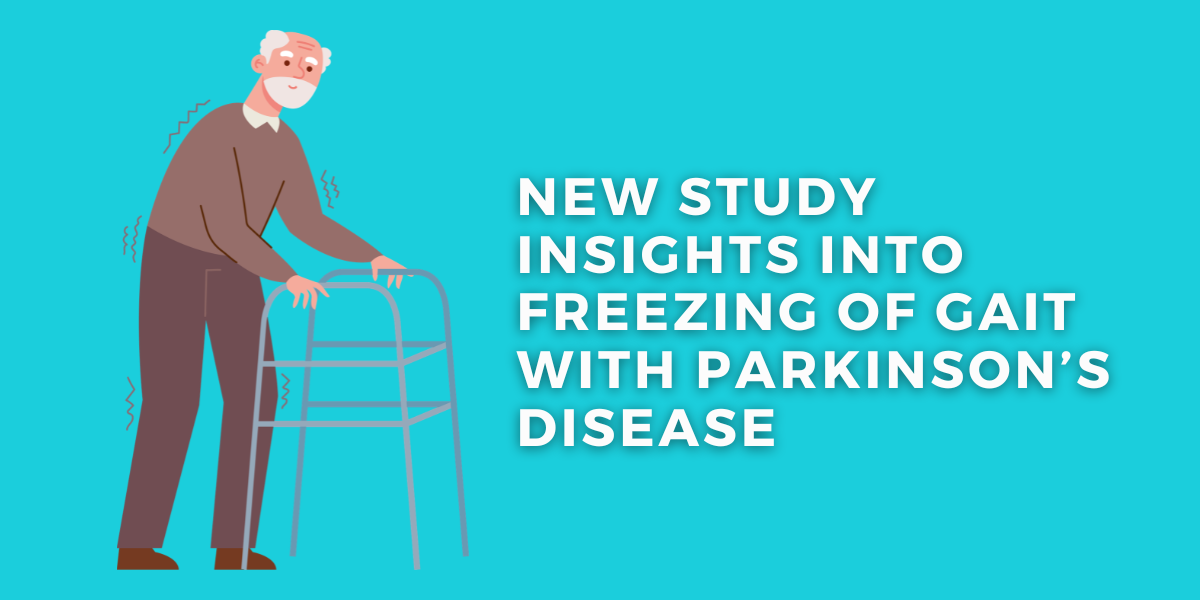
For many people living with Parkinson’s disease, freezing of gait can be one of the most frustrating and dangerous symptoms. During a freezing episode, a person may suddenly feel as though their feet are glued to the floor, making it difficult or impossible to take the next step. These episodes can increase the risk of falls, injuries and loss of independence.

What if doctors could identify the warning signs of freezing before it happens? Keep reading to learn more.
A new systematic review published in Clinical Biomechanics suggests that specific changes in walking patterns and balance may occur before freezing episodes become apparent. These findings could help researchers develop better treatments, improve fall-prevention strategies and give people with Parkinson’s disease new tools to maintain mobility and confidence.

Researchers analyzed dozens of studies examining the movement patterns of people with Parkinson’s disease who experience freezing of gait compared to those who do not. The review focused on kinematic and kinetic measurements, including stride length, walking speed, balance control and lower-limb movement patterns.

The findings revealed several consistent differences. Individuals who experienced freezing of gait often took shorter steps, demonstrated greater variability in their walking patterns and showed altered balance characteristics. In other words, their movement patterns became less predictable and less stable.
Picture
These subtle changes may provide important clues about the underlying causes of freezing of gait. Researchers believe that by identifying these measurable differences early, healthcare professionals may be able to develop more targeted rehabilitation programs and interventions designed to reduce the frequency and severity of freezing episodes.

The review also highlights the importance of ongoing movement assessments. Technologies such as wearable sensors and gait analysis tools may eventually help clinicians detect changes in walking mechanics before freezing becomes a major problem. Earlier intervention could improve mobility, reduce falls and help individuals maintain their independence longer.

Although freezing of gait remains one of the most challenging Parkinson’s symptoms to treat, this research offers hope. By understanding how walking mechanics change, scientists can continue developing therapies aimed at the root causes of freezing rather than simply managing the symptoms after they occur.

For individuals living with Parkinson’s disease, staying physically active, participating in exercise programs and working with movement specialists remain important strategies for maintaining mobility and balance. Programs that focus on gait training, balance exercises and movement cues may help improve confidence and reduce fall risk.

Read more about the study:
https://parkinsonassociationswfl.org/freezing-of-gait-study.html

Picture
Why Support Matters
A diagnosis of Parkinson’s disease can feel overwhelming, but support, education and community can make a meaningful difference.

For more than 25 years, the Parkinson’s Association of Southwest Florida (PASWFL) has provided free, high-quality services and programs for individuals and families affected by Parkinson’s disease throughout Southwest Florida.

Each week, PASWFL offers more than 25 free programs and support groups, including:
• Wellness and fitness classes
• Speech exercise classes
• Educational seminars
• Care partner support
• Parkinson’s support groups
There are no fees to become a member.


Take the First Step Toward Living Well
If you suspect early Parkinson’s disease or have recently been diagnosed, you don’t have to face it alone.

👉 Sign up for the PASWFL newsletter:
https://parkinsonassociationswfl.org/signup-enews.html
👉 Become a member—it’s free and confidential:
https://parkinsonassociationswfl.org/signup.html
To learn more, visit www.paswfl.org or call 239-417-3465.
Picture
0 Comments

Your comment will be posted after it is approved.


Leave a Reply.

    Author

    Write something about yourself. No need to be fancy, just an overview.

    Archives

    June 2026
    May 2026
    April 2026
    March 2026
    February 2026
    January 2026
    December 2025
    November 2025
    October 2025
    September 2025
    August 2025
    July 2025
    June 2025
    May 2025
    April 2025
    March 2025
    November 2024
    September 2024
    August 2022
    August 2021
    January 2021
    July 2020
    June 2020
    May 2020

    Categories

    All
    How-to-diagnose-parkinsons-disease
    How-to-manage-parkinsons-disease
    What Is Parkinson's Disease

    RSS Feed

Parkinson's Association of Southwest Florida 
2575 Northbrooke Plaza Drive
Suite#301, Naples, FL 34119
239-417-3465

[email protected]
​

Hours of Operation:
Monday - Thursday 9 am - 5 pm
Friday 9 am - 3 pm
Has the Parkinson's Association of Southwest Florida impacted your life? Don't forget to leave us a review on Facebook or on Google. 

PASWFL Office

Terms of Use and Privacy Policy

Become a Member

Picture