Parkinson's Association of SWFL
  • Home
    • Hurricane Resources
    • 2026 PASWFL MARKETING STATS
  • Resources for Living Well with PD
    • Start Here What You Need to Know about PD >
      • Parkinson Disease in Florida
      • FLORIDA PD REGISTRY
      • 10 things to know about PD
    • Living Well with PD: Start Today
    • PD 101 Free ebook
    • PD ESSENTIAL 5 EBOOK
    • Your Questions About PD Answered in our Blog
    • Community Resources >
      • Community Support Initiatives
      • Movement Disorder Specialists and Neurologists
      • Additional Classes in SWFL for PD
      • Additional SWFL resources for PD
    • Articles & Research on PD >
      • RED LIGHT THERAPY SHOWS PROMISE FOR PD
      • BRAIN PROTIENS MARKERS FOR PARKINSONS DETECTION
      • GUT MICROBIOME EARLY PREDICToR OF PD
      • NEW DBS SETTINGS MAY IMPROVE SPEECH IN PD
      • BRAIN PATTERNS LINKED TO LEVODOPA INDUCED DYSKINESIA
      • BRAIN MODELING TO PREDICT PD PROGRESSION
      • WEARABLE DEVICES FOR TRACKIN PD PROGRESSION
      • BRAIN ACTIVITY PREDICTOR OF PD PROGRESSION
      • DEEP BRAIN STIMULATION PD
      • UNDERSTANDING GAIT IN PD
      • MUSIC MAY IMPROVE GAIT IN PD
      • GOLF COURSE PROXIMITY AND INCREASED RISK FOR PD
      • Social Support Improves PD Symptoms
      • Exercise Improves PD Outcomes
      • Genetic Role in PD
      • Advances in PD
      • Genetic Link to PD
      • Exercise and improved executive Functioning with PD
      • Exercise and Fall Prevention with PD
      • Intimacy and PD
      • spinal cord neuroprosthesis and PD
      • Advance Care Planning and PD
      • Cognitive Impairment Treatment PD
      • Mercury and PD
      • Cognitive Remediation Therapy
      • COVID Vulnerability and PD
      • Postural Instability Severity PD
      • Early Trial for Treatment Shows Promise
      • Biomarker Found
      • Therapeutic Benefits of Dance
      • Ultrasound Therapy for PD
      • Improvisational Theatre for PD
      • PD Detection using AI and Breathing Patterns
      • ALTERNATIVE MOVEMENT EXERCISE
      • NON INVASIVE TREATMENT R-TMS
      • Group Therapy
      • Multidisciplinary Approach to PD
      • VIBRATING GLOVE SHOWES PROMISE
      • Prevalence of PD Underestimated
      • Differences in Men and Women with PD
      • Intermittent Fasting for PD
      • Meditation and Complementary Therapy for PD
      • Cognitive Impairment and PD
      • Aerobic Exercise Alters Brain Function in PD
      • A-Synuclein Biomarker
      • Mediterranean Diet for PD
      • Regular Exercise Improve PD Quality of Life
    • Videos of PD Talks
    • PD Assistive Items
    • Participate in a PD Study or Trial
  • Members Only
  • Programs & Events
    • Sample Calendar of Activities
    • Movement Classes
    • Rhythm In Motion Class
    • Support Groups
    • Speech Exercise
    • Wellness Classes
    • Education Programs
    • Caregiver Programs
    • EARLY ONSET PD
    • Lunch Bunch
    • Events >
      • Mingle & Share a PD Resource Fair
      • Step Up for PD Walk >
        • REGISTER TO WALK - INDIVIDUALS & TEAMS
        • FUNDRAISE FOR THE WALK
        • SUPPORT A WALKER
      • Bingo for Bags and Baubles >
        • Bingo for Bags and Baubles Sponsorships
        • Bingo for Bags and Baubles Underwriting
        • Bingo for Bags and Baubles Silent Auction
      • Education Symposium
  • About Us
    • Our Mission
    • Board of Directors
    • Staff
    • News/Press >
      • 2023-24 Board Announced
  • Become a Member
    • Complete a Participation Waiver
  • CONNECT WITH US
    • PD 101 Free Sign Up
    • ENEWS SIGN UP
    • Contact us
  • SUPPORTING OUR MISSION
    • YEAR END GIVING
    • GIVING TUESDAY
    • ANNUAL FUND
    • IN HONOR
    • IN MEMORY

Parkinson's Association 
SWFL Blog

All blog posts are for general information only and not medical advice. Always consult your doctor about your health and treatment decisions.

What Are the Risk Factors for Parkinson’s Disease?

11/26/2026

0 Comments

 
Picture
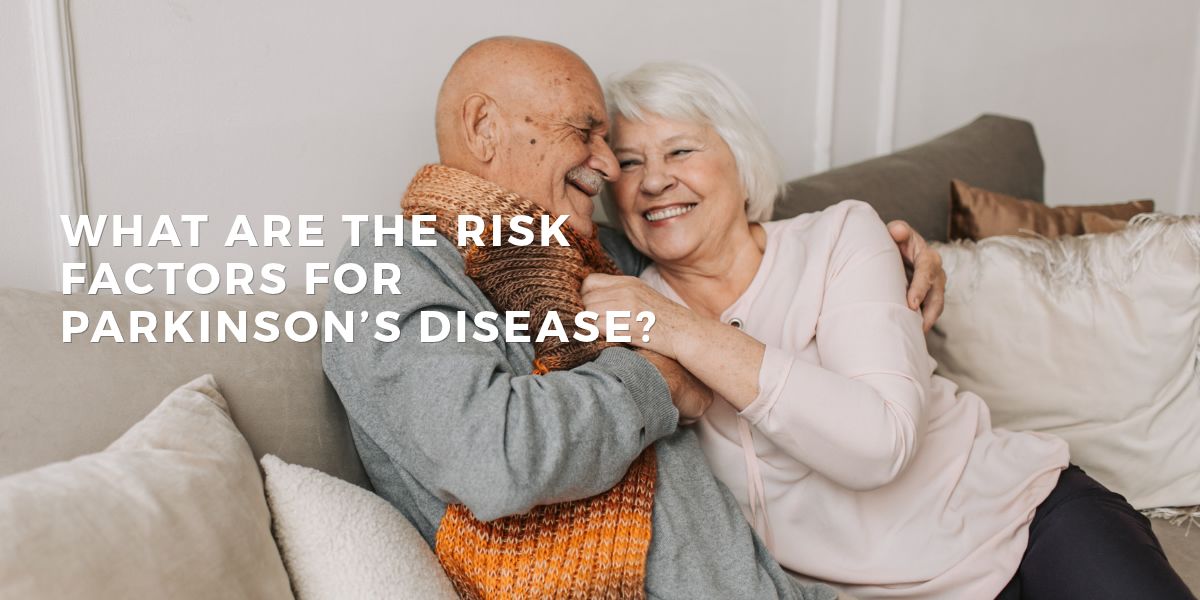
Parkinson’s disease affects millions of people worldwide, but why does one person develop it while another does not? Researchers have identified several factors associated with Parkinson’s disease, including age, genetics, and certain environmental exposures. Understanding these factors can help individuals and families learn more about the condition without assuming that a diagnosis is inevitable.
Could your age, family history, or everyday environment influence your risk? Here’s what research tells us—and what scientists are still working to understand.
What Are the Main Risk Factors for Parkinson’s Disease?
The main risk factors associated with Parkinson’s disease include older age, certain genetic factors, family history, exposure to some pesticides and chemicals, and biological sex. A history of significant head injury has also been associated with increased risk. Parkinson’s is believed to involve a combination of genetic and environmental influences, but having a risk factor does not mean someone will develop the disease.
1. Age: The Strongest Known Risk Factor
Age is the most established risk factor for Parkinson’s disease. The likelihood of developing PD increases as people get older, and symptoms commonly begin around the 60s.
However, Parkinson’s is not exclusively an older adult condition. Young-onset Parkinson’s disease refers to Parkinson’s diagnosed before age 50. Younger adults may face additional challenges involving employment, parenting, relationships, and financial responsibilities.
A younger age does not rule out Parkinson’s, and persistent symptoms should be evaluated by a healthcare professional.
2. Genetics and Family History
Genetics contribute to a portion of Parkinson’s cases. Researchers have identified gene variations associated with increased risk, including changes in genes such as LRRK2, GBA1, and SNCA.
Having a parent, sibling, or other close relative with Parkinson’s may increase a person's risk. However, most people with Parkinson’s do not have a clear family history, and inheriting a risk-associated gene does not always mean a person will develop the disease.
People with younger-onset symptoms or multiple affected family members may wish to discuss genetic counseling and testing with their healthcare provider.
Picture
3. Environmental Exposures: Pesticides and Chemicals
Researchers have found associations between Parkinson’s disease and exposure to certain environmental substances.
Studies have particularly investigated:
  • Some pesticides and herbicides.
  • Certain industrial solvents.
  • Specific metals and other environmental pollutants.
People working in agriculture, landscaping, or industries involving chemical exposure may encounter some of these substances more frequently.
Not every chemical has the same evidence behind it, and exposure does not guarantee that Parkinson’s will develop. Researchers continue to investigate how environmental exposures may interact with a person's genetic susceptibility.
4. Biological Sex
Parkinson’s disease is diagnosed more often in men than in women. Researchers are studying possible explanations, including hormonal, genetic, occupational, and environmental differences.
The reason for this difference is not fully understood. Biological sex is a population-level risk factor, not a way to predict whether an individual will develop Parkinson’s.
5. Head Injuries and Other Possible Risk Factors
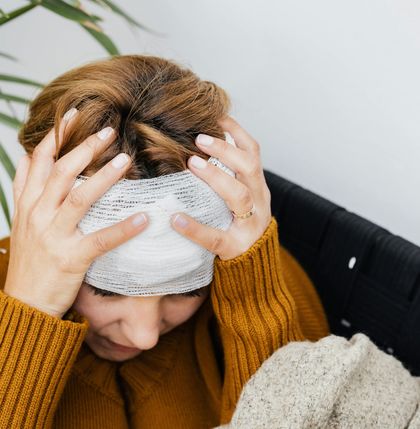
Some research suggests that traumatic brain injury, particularly injuries involving a loss or alteration of consciousness, may be associated with an increased risk of Parkinson’s later in life.
Researchers are also investigating other possible influences, including air pollution, sleep-related conditions, metabolic health, and other biological processes. Evidence varies, and these areas should not all be considered established causes.
Picture
Can Parkinson’s Disease Be Prevented?
There is currently no proven way to prevent Parkinson’s disease. Scientists believe that its development involves complex interactions between genetic and environmental factors, many of which are not yet fully understood.
People can still take practical steps to support their overall health:
  • Follow safety instructions when working with pesticides and chemicals.
  • Use appropriate protective equipment when exposure is possible.
  • Take precautions to prevent head injuries.
  • Maintain regular physical activity, balanced nutrition, and healthy sleep habits.
  • Discuss persistent movement changes or other concerning symptoms with a healthcare professional.
These habits support general well-being, but they are not proven methods of preventing Parkinson’s.
Picture
Frequently Asked Questions About Parkinson’s Risk Factors
What is the biggest risk factor for Parkinson’s disease?
Older age is the strongest established risk factor. Parkinson’s can also occur in younger adults.
Is Parkinson’s disease hereditary?
Most cases are not clearly inherited. Certain genetic variations can increase risk, but many people with Parkinson’s have no known family history.
Do pesticides cause Parkinson’s disease?
Exposure to certain pesticides has been associated with increased risk. Research is ongoing, and an association does not prove that a specific exposure caused an individual's disease.
Can younger adults develop Parkinson’s?
Yes. Young-onset Parkinson’s can begin before age 50 and may affect people during their working and family years.
Can stress cause Parkinson’s disease?
Stress is not established as a direct cause of Parkinson’s. It can affect sleep, mood, and how symptoms feel, but persistent symptoms deserve medical evaluation.
Can Parkinson’s be prevented?
There is no proven prevention method. Researchers continue to study genetic, environmental, and lifestyle influences.
​
Conclusion: Understanding Risk Is the First Step Toward Awareness
Parkinson’s disease does not have one simple cause. Age, genetics, family history, and certain environmental exposures may influence risk, but no single factor can predict who will develop the condition.
Learning about these factors can help individuals recognize the importance of medical evaluation, ask informed questions, and find reliable resources. Just as importantly, people affected by Parkinson’s and their families do not have to navigate the journey alone.
Picture
Why Support Matters
A diagnosis of any form of Parkinson’s can feel overwhelming. But with the right support and resources, individuals can maintain independence, quality of life, and emotional well-being.
For resources, referrals, and support in navigating Parkinson’s and related conditions, contact the Parkinson’s Association of Southwest Florida at www.paswfl.org or call 239-417-3465.
For over 25 years, PASWFL has provided free, high-quality services and programs to individuals and families touched by Parkinson’s disease in Southwest Florida. Their goal is simple: help people live well with PD, regardless of where they are in their journey.
Each week, PASWFL offers more than 25 free programs and support groups, including:
  • Wellness and fitness classes
  • Speech Exercise classes
  • Educational seminars
  • Support for care partners
  • Support groups
There are no fees to become a member, and PASWFL welcomes anyone touched by PD.

Take the First Step Toward Living Well
If you suspect early Parkinson’s or have been recently diagnosed, you don’t have to face it alone.
👉 Click here to sign up for the PASWFL newsletter
👉 Click here to become a member—it’s free and confidential
To learn more, visit www.paswfl.org and discover the power of support, education, and community.
0 Comments

Your comment will be posted after it is approved.


Leave a Reply.

    Author

    Write something about yourself. No need to be fancy, just an overview.

    Archives

    November 2026
    October 2026
    September 2026
    August 2026
    July 2026
    June 2026
    May 2026
    April 2026
    March 2026
    February 2026
    January 2026
    December 2025
    November 2025
    October 2025
    September 2025
    August 2025
    July 2025
    June 2025
    May 2025
    April 2025
    March 2025
    November 2024
    September 2024
    August 2022
    August 2021
    January 2021
    July 2020
    June 2020
    May 2020

    Categories

    All
    How-to-diagnose-parkinsons-disease
    How-to-manage-parkinsons-disease
    What Is Parkinson's Disease

    RSS Feed

Parkinson's Association of Southwest Florida 
2575 Northbrooke Plaza Drive
Suite#301, Naples, FL 34119
239-417-3465

[email protected]
​

Hours of Operation:
Monday - Thursday 9 am - 5 pm
Friday 9 am - 3 pm
Has the Parkinson's Association of Southwest Florida impacted your life? Don't forget to leave us a review on Facebook or on Google. 
Terms of Use and Privacy Policy

Become a Member

Picture
Text size