|
|
|
|
|
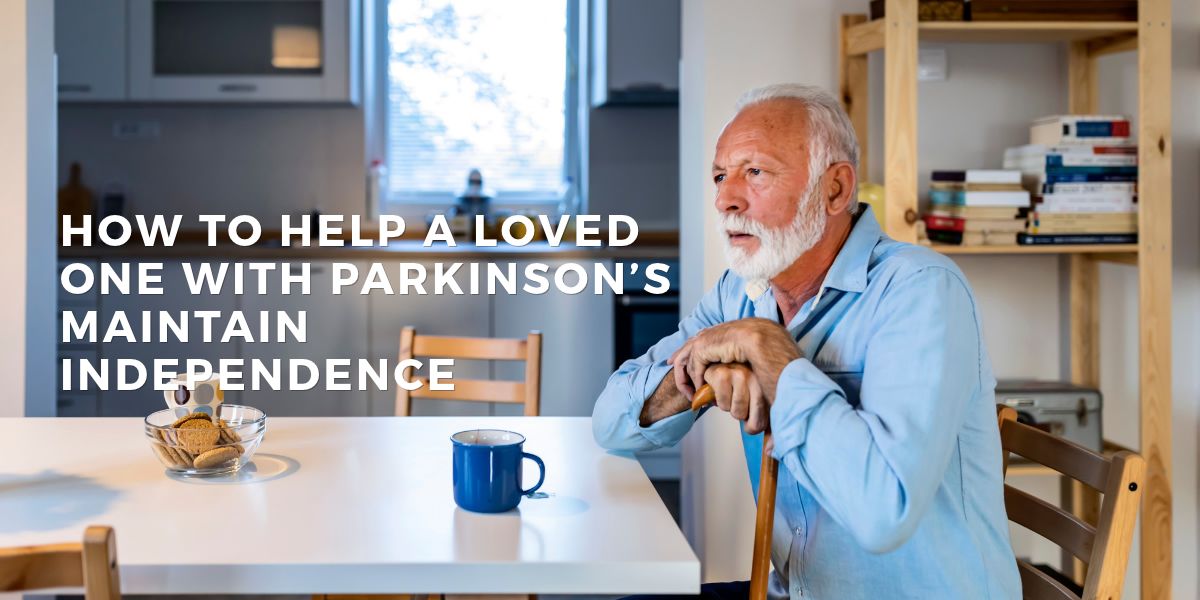
When someone you love is living with Parkinson’s disease, it’s natural to want to help with everyday tasks. But knowing when to step in—and when to step back—can be difficult. You want your loved one to stay safe without making them feel dependent or losing control of their daily life. The most meaningful support isn't doing everything for someone. It's helping them continue doing as much as possible for themselves. With patience, communication, and a few thoughtful adjustments, care partners can help people with Parkinson’s maintain independence, confidence, and dignity while still providing the assistance they need. How Can You Help Without Taking Away Independence? 1. Ask Before You Help One of the simplest ways to support independence is to ask before stepping in. Instead of automatically completing a task, try asking:
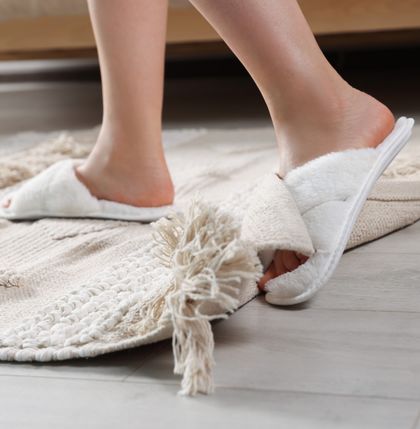
Give them time to finish without rushing or taking over. Respecting their choices helps preserve confidence and a sense of control. 2. Focus on What They Can Do Parkinson’s affects everyone differently. Some people may need help with dressing, cooking, or getting around, while others remain independent in most daily activities. Focus on abilities rather than limitations. Encourage your loved one to participate in household routines, hobbies, social activities, and decisions whenever possible. If a task becomes difficult, look for ways to adapt it instead of automatically removing it from their routine. For example, sitting while preparing meals, using clothing with easy-to-manage fasteners, or organizing frequently used items within easy reach may make daily activities more manageable. 3. Make the Home Safer Without Making It Feel Like a Hospital Changes to the home can reduce hazards while helping your loved one move around more confidently. Consider:
4. Encourage Exercise and Movement Physical activity can play an important role in maintaining mobility, balance, strength, and independence for people with Parkinson’s. Depending on individual abilities and medical guidance, activities may include walking, stretching, strength training, balance exercises, dancing, or specialized Parkinson’s exercise classes. Physical therapists can recommend exercises and strategies for movement challenges. Speech-language pathologists can also help address communication and swallowing difficulties when needed. The goal isn't perfection or pushing beyond someone's limits. It's helping your loved one remain active and engaged as safely as possible. 5. Let Your Loved One Make Decisions A Parkinson’s diagnosis does not mean someone loses the ability to make decisions about their life. Whenever possible, include your loved one in conversations about medical care, schedules, finances, activities, and household responsibilities. Avoid speaking for them when they can communicate for themselves. If speech becomes slower or quieter, allow extra time for responses rather than finishing sentences or answering on their behalf. Maintaining choice and participation can help protect emotional well-being and personal identity. 6. Find the Balance Between Safety and Independence Safety concerns are real, especially when Parkinson’s affects balance, walking, or judgment. However, being overly protective can unintentionally limit activity and confidence. Talk openly about specific concerns instead of making broad restrictions. Ask the healthcare team whether physical therapy, occupational therapy, mobility aids, or home modifications could help. If a particular activity is becoming unsafe, work together to find a safer way to continue participating whenever possible. 7. Remember That Care Partners Need Support, Too Supporting someone with Parkinson’s can be rewarding, but it can also be physically and emotionally demanding. Care partners need opportunities to rest, connect with others, and ask for help. Support groups and educational programs can provide practical ideas, encouragement, and a sense of community. You don't have to figure everything out alone. 10 Frequently Asked Questions About Helping a Loved One With Parkinson’s Maintain Independence 1. How can I help my loved one with Parkinson’s without making them feel dependent on me? Ask before offering help and let your loved one decide when assistance is needed. Encourage them to complete tasks they can still manage, even if it takes longer. Focus on being supportive rather than taking over. 2. How do I know when to step in and help versus letting them do things on their own? Consider whether the activity is safe and whether your loved one can complete it independently with extra time or a small adjustment. If they are struggling but not in immediate danger, give them time and ask whether they would like help. 3. How can I encourage independence while keeping my loved one with Parkinson’s safe? Make practical changes that reduce risks without unnecessarily restricting activities. Remove loose rugs and clutter, improve lighting, install grab bars where appropriate, and keep frequently used items within easy reach. 4. What daily activities should I let my loved one continue doing independently? Encourage your loved one to continue activities they can perform safely, such as dressing, preparing simple meals, grooming, choosing clothing, and participating in household tasks. Parkinson’s affects everyone differently, so abilities may change over time. 5. How can I help someone with Parkinson’s who refuses assistance, even when they struggle with everyday tasks? Try to understand why they are reluctant to accept help. They may fear losing independence, feel embarrassed, or worry about becoming a burden. Instead of insisting, offer specific choices, such as, “Would you like help with the buttons, or would you rather try first?” 6. What home modifications and assistive devices can help my loved one maintain independence longer? Helpful changes may include grab bars, nonslip flooring, brighter lighting, shower chairs, raised toilet seats, and handrails. Adaptive utensils, button hooks, dressing aids, and easy-to-open kitchen tools can make daily activities easier. 7. How can I support my loved one when Parkinson’s symptoms make dressing, cooking, bathing, or walking more difficult? Break challenging activities into smaller steps and allow extra time. Choose clothing with easy closures, use adaptive kitchen tools, and consider bathing equipment that improves stability. For walking difficulties, ask a physical therapist about appropriate mobility aids and movement strategies. 8. How do I avoid becoming overprotective while caring for someone with Parkinson’s? Remember that doing everything for someone can unintentionally reduce their confidence and independence. Talk openly about concerns, agree on reasonable safety boundaries, and encourage your loved one to make everyday decisions. 9. How can I encourage my loved one to stay active, social, and involved in decisions about their care? Encourage activities they enjoy, including appropriate exercise classes, social gatherings, hobbies, and support groups. Invite them to participate in medical appointments and decisions about their treatment and daily routines. 10. How can care partners balance their loved one’s independence with their own concerns about safety and well-being? Open communication is essential. Discuss concerns together, identify situations where assistance is necessary, and revisit those decisions as Parkinson’s symptoms change. Care partners should also make time for their own needs and seek support from other caregivers, healthcare professionals, and Parkinson’s organizations. Conclusion: Support Independence, Preserve Dignity Helping a loved one with Parkinson’s maintain independence means finding the balance between offering assistance and allowing them to remain involved in their own life. Ask before helping, encourage abilities, adapt everyday activities, and include your loved one in decisions. Most importantly, remember that independence doesn't mean doing everything alone. It means having the opportunity, support, and confidence to make choices and participate as fully as possible. Why Support Matters
A diagnosis of any form of Parkinson’s can feel overwhelming. But with the right support and resources, individuals can maintain independence, quality of life, and emotional well-being. For resources, referrals, and support in navigating Parkinson’s and related conditions, contact the Parkinson’s Association of Southwest Florida at www.paswfl.org or call 239-417-3465. For over 25 years, PASWFL has provided free, high-quality services and programs to individuals and families touched by Parkinson’s disease in Southwest Florida. Their goal is simple: help people live well with PD, regardless of where they are in their journey. Each week, PASWFL offers more than 25 free programs and support groups, including:
Take the First Step Toward Living Well If you suspect early Parkinson’s or have been recently diagnosed, you don’t have to face it alone.
0 Comments
Your comment will be posted after it is approved.
Leave a Reply. |
AuthorWrite something about yourself. No need to be fancy, just an overview. Archives
November 2026
Categories
All
|
|
|